Skiing perfect powder in Niseko, Japan
So you want to experience the pristine powder Japan has to offer? One of the biggest ski resorts, Niseko, has blown up over the last 4 years since Japan opened after COVID. I went in February 2025, and had an absolute blast (although we only had 4 inches of fresh powder, so whatever you see on Instagram isn’t totally legitimate!). Read my guide below for tips on where to stay and how to optimize your time in Niskeo.
Note: If you don’t have international data, I highly recommend downloading an e-sim before your trip! While many of the huts have wifi, it’s good to have service in case of emergencies or to ensure your map loads. I use Airalo for my e-sims, which is affordable and is easy to download. Make sure your phone is e-sim compatible!
How to get to Niseko
Niseko is located on the Hokkaido, the north island of Japan, about 90km (or a 2 hour drive) from Sapporo. To get here, you will need to fly into Hokkaido and take either a bus or car to the ski resort.
The main airport in Sapporo is the New Chitose Airport (CTS). You can fly here directly from many cities in Japan (Osaka / Tokyo) and internationally (I flew in on a flight from China). The other more regional airport is Okadama Airport (OKD), which has direct flights within Japan.
Next, you will either need to take a bus or rent a car to get to Niseko. Public transportation in Japan is absolutely amazing, and I always recommend taking the bus when you can. The bus costs $38.50 one-way, with a slight discount for round-trip ($62.20, so a savings of ~$4 with a round trip ticket). The two bus options are Chuo bus and White Liner from the CTS airport and runs from 9:30AM to 3:30PM.
This time, I actually rented a car as I was traveling with 2 other people (for a total of 3 of us), so the car rental was exactly the same price as 3 round trip bus tickets. This gave us the flexibility to visit some off the beaten path locations. Additionally, our flight landed later than 3:30pm so the bus wasn’t an option for us. The rental car company was very strict - they required our the driver watched a safety video and did a full walkthrough of the car for every tiny scratch. It was a little stressful, but in the end we had no issues at all with the car rental drop off process!
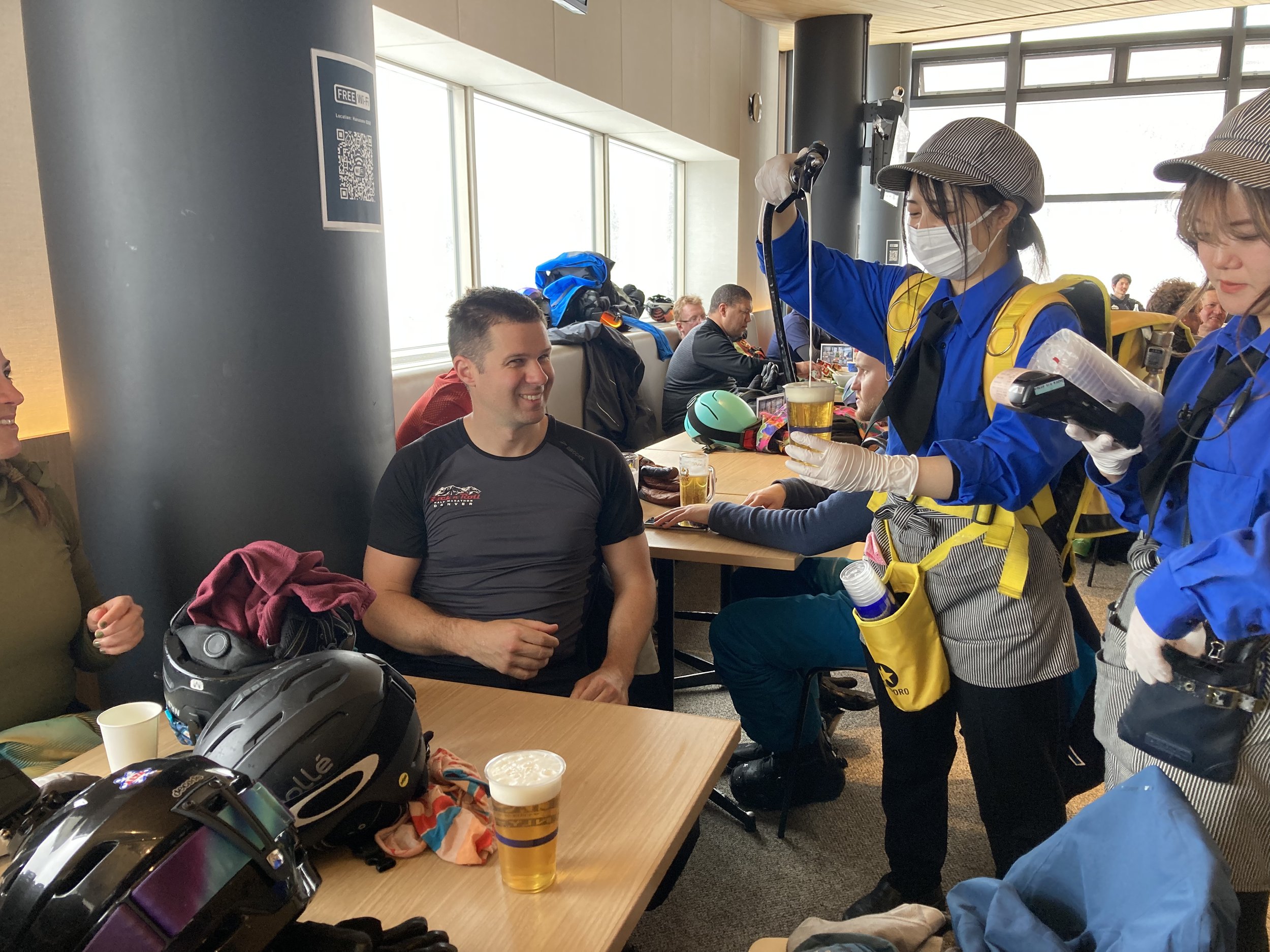
Sapporo beer ladies in the lodge during lunch time
Where to stay
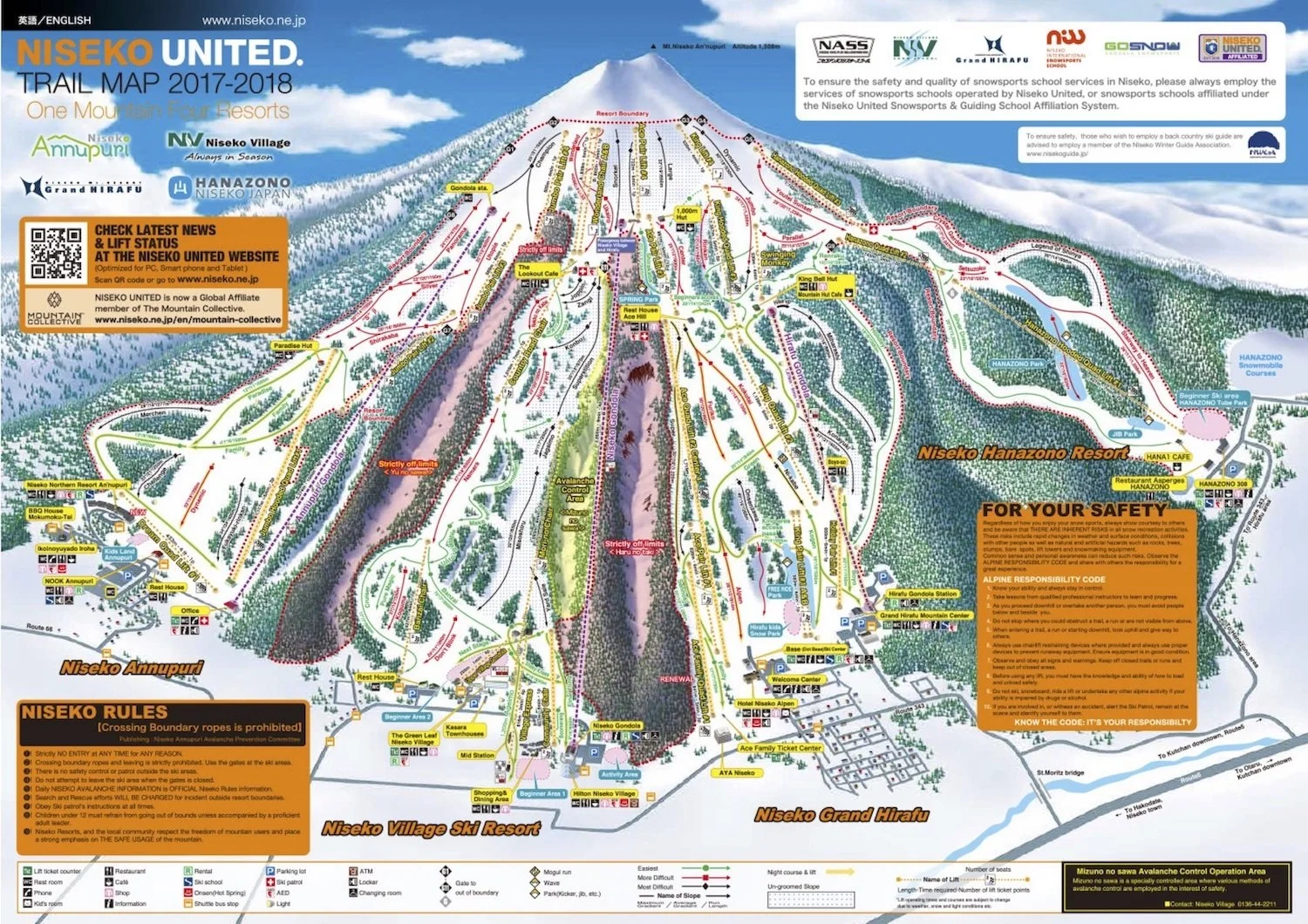
Niseko is actually comprised of 4 resorts: Annupuri, Niseko Village, Grand Hirafu, and Hanazono. Don’t worry, you won’t need to navigate visiting all the towns because you can actually ski between them all (if the top is open!). You should pick one area to stay and then ski around to all the spots.
I recommend staying in Grand Hirafu for your time in Niseko. This is by far the largest village with the most food and activity options.
I mentioned above that you can ski between the resorts - this is true if the top lifts are open. Of the 4 days I was here, the top was only open once. Staying in Hirafu means that you can access Hanazono and Niseko Village without the top lifts open, but you cannot access Annupuri. It’s something to note, because if you stay on the left side of the mountain, it may be hard to traverse around to other areas.
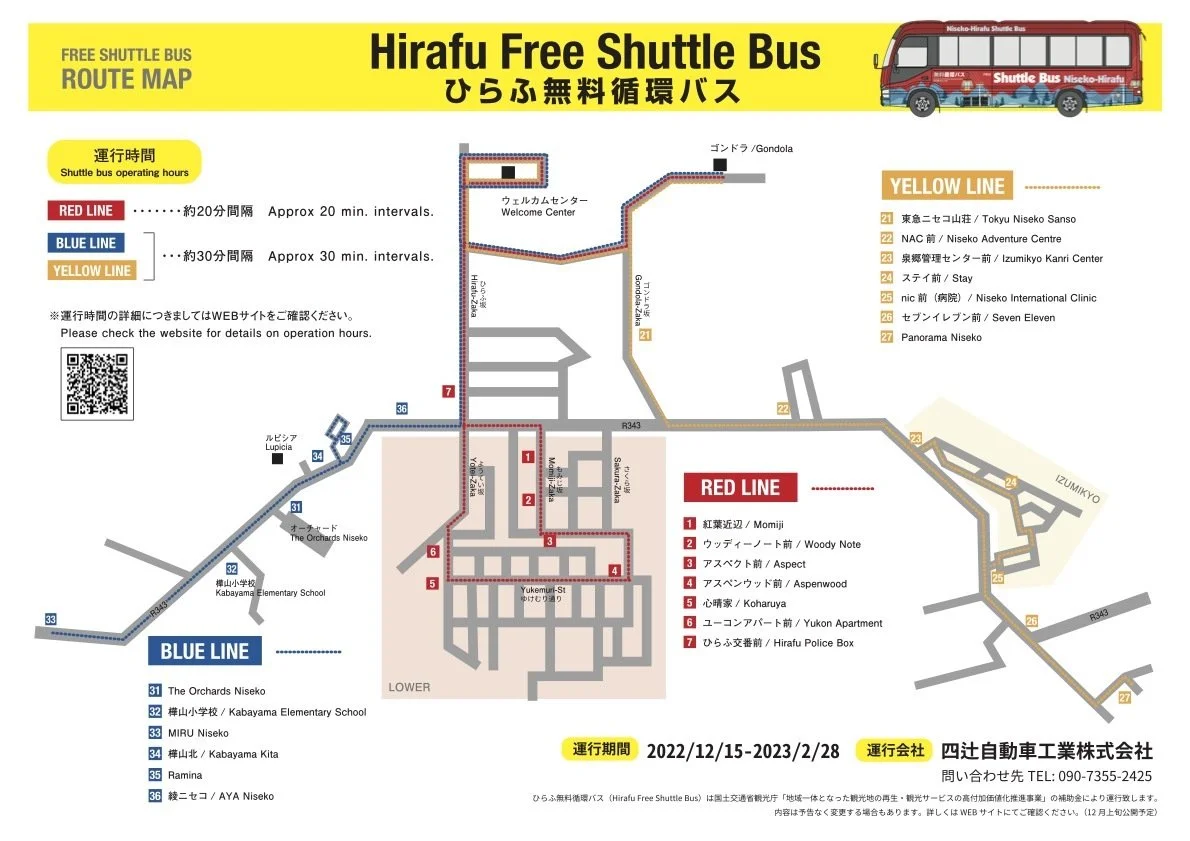
Hirafu has a wide range of accommodation styles. The good news is it doesn’t matter where you stay in Hirafu because there is a free bus system that will get you from your hotel to the ski resort. So as long as you’re okay jumping on a bus, you can stay anywhere you wish in the area.
I stayed at Q FOX GMG Hotel, which was ~$125/night. The great thing about this hotel was you get a free buffet hot pot every. night. And karaoke. It’s a little overwhelming, but with how expensive food prices can be in this ski town, it’s really nice to have!

Mandatory evening karaoke with free dinner at Q FOX Hotel
I HIGHLY recommend booking your accommodation in advance, like 2-3 months in advance. Skiing in Japan is becoming more and more popular, so hotels can increase their costs significantly. Note that if you have a car, you have much more flexibility to book a place off the shuttle zone for a lower cost.
While I recommend staying in Grand Hirafu, I heard amazing things about the Hilton Niseko Village (if you want to throw down $700+ per night).
How long to visit for
Skiing for 3-4 days should be enough to explore the whole mountain and give yourself time to (hopefully) time at least one powder day. When I was there in the end of February 2025, we had 2 days of light snowfall, 1 bluebird day, and the last day was shockingly warm and really slushy. So we were happy to have the 4 days to explore all types of conditions.
If you’re interested in seeing other parts of Hokkaido, you can spend 1 day in Sapporo either before or after, and 1 day sightseeing around Niseko (see my last point in must visit areas outside Niseko).
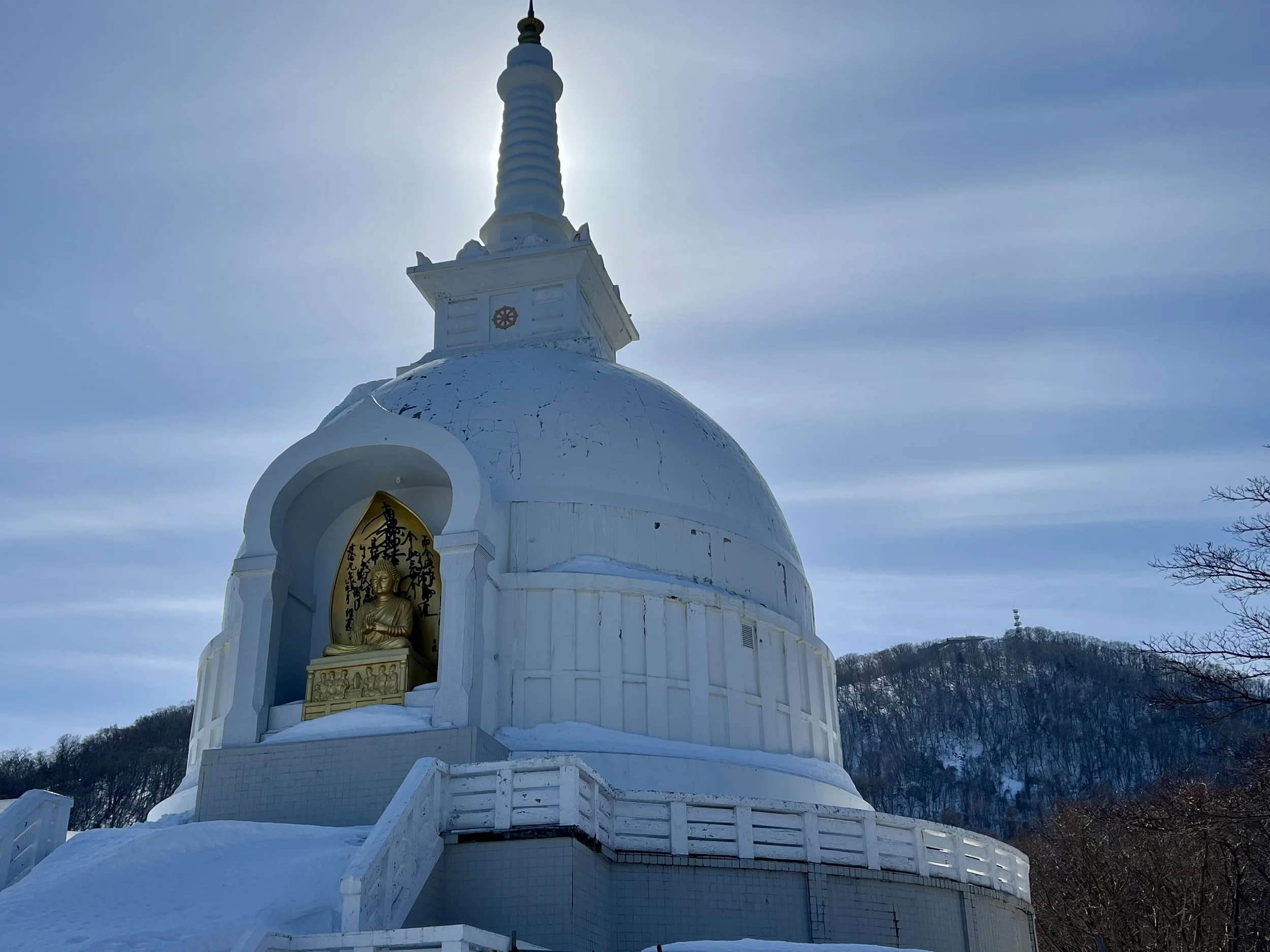
Sapporo Peace Pagoda winter hike
Cost for skiing over 4 days
Round trip flight from Tokyo: $120
Car / bus transport: $62
Ski rental: $40/day
Pass: Free because I have the Ikon, but a day pass costs, but a 4-day pass is $273 at the resort
4 nights in a Hotel: $125/night split by 2 people ($62.50/person/night)
Food: ~$40/day (note to save money - go to the convienient stores for full, delicious, and cheap meals!)
Onsens: $20 ($10/visit)
Total costs: $772 (from Tokyo)
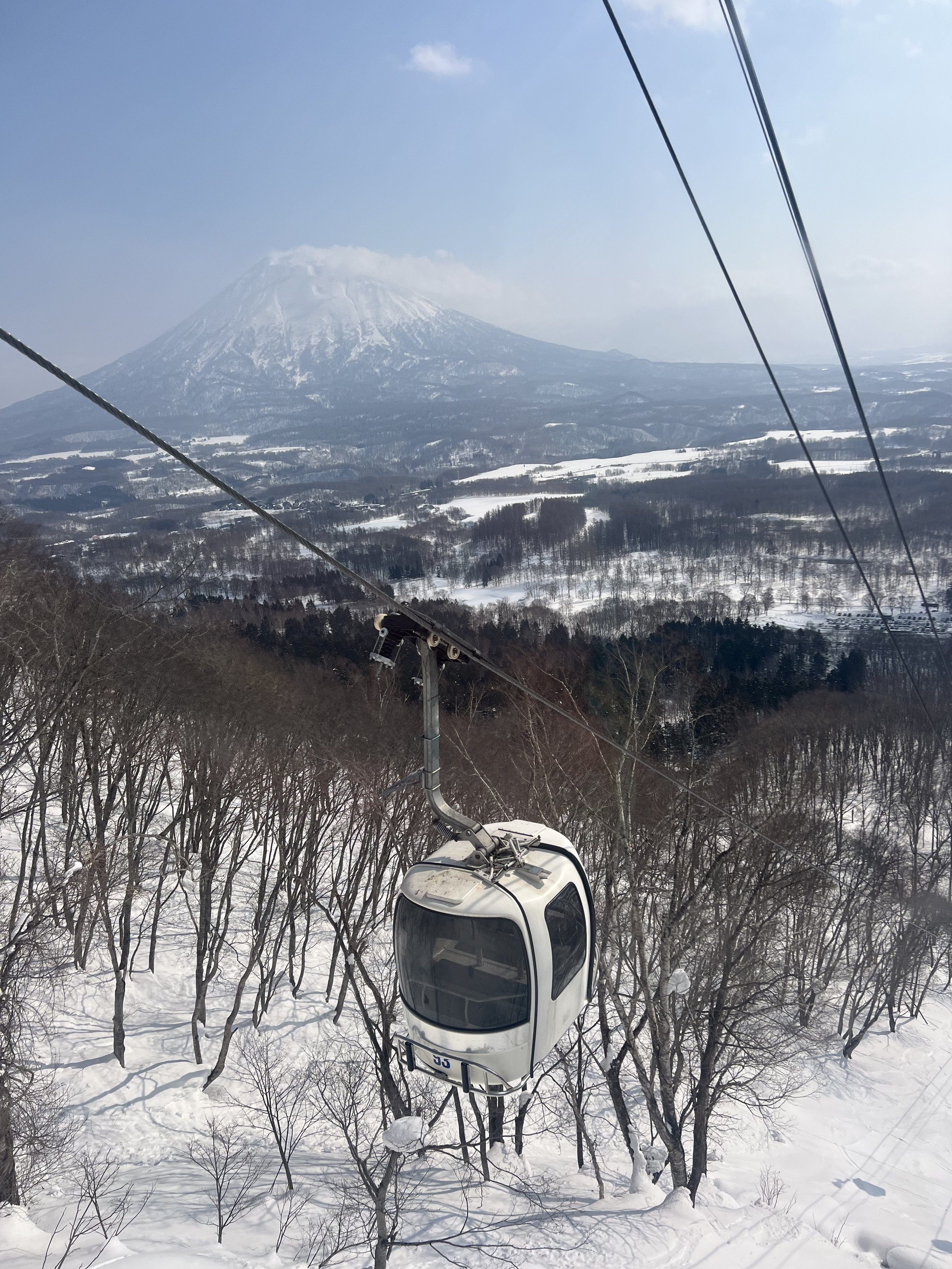
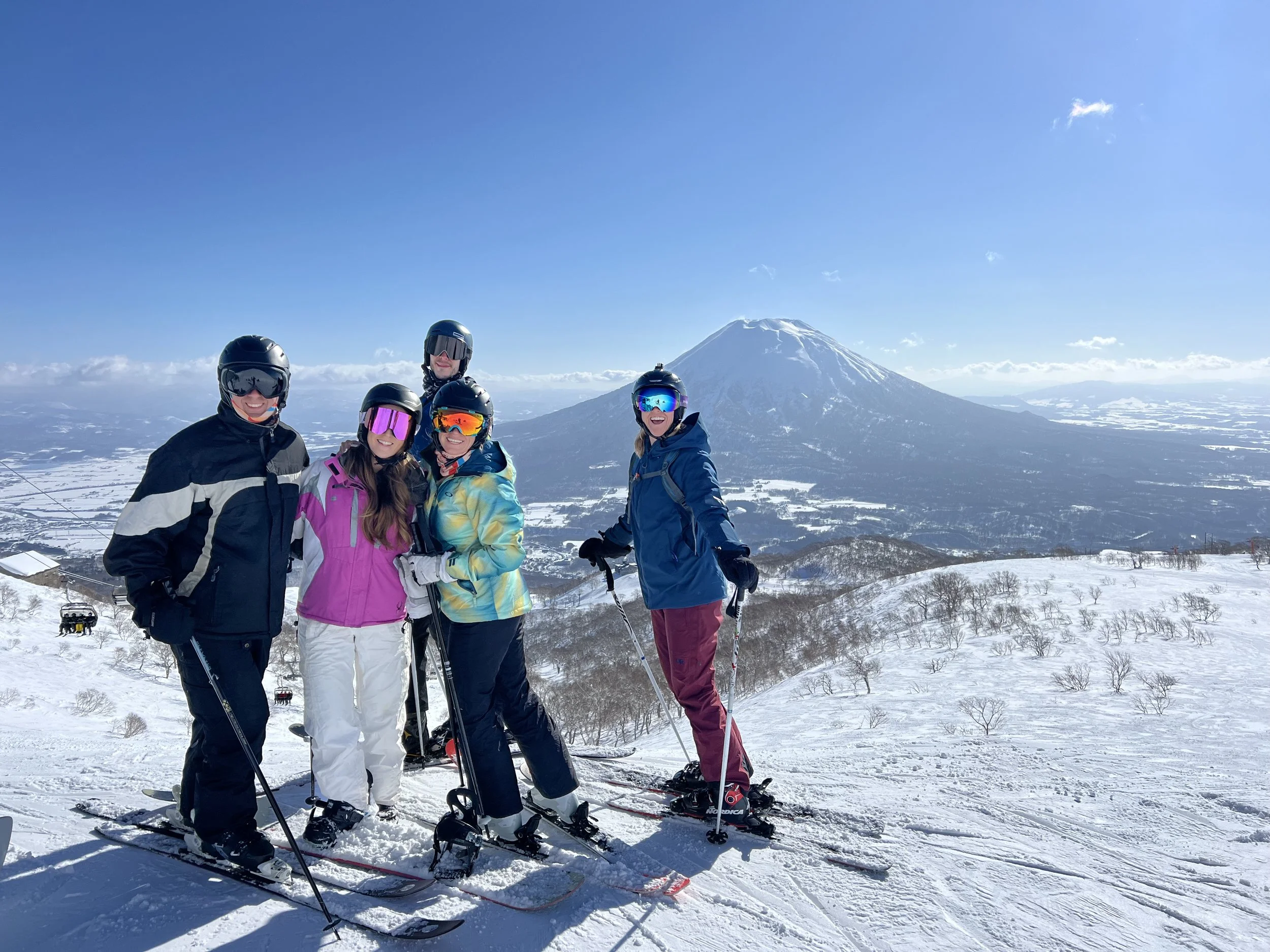
Mount Yotai in the background
Must hit areas in Niseko for the best snow
I should mention the gates. In Niseko, there are the groomed / managed runs, and then there is the non-groomed areas. If you’re looking for good powder, you need to go to the non-groomed areas, which can be accessed through “gates”. When you look at the ski map, you will see areas where you can access these spots.
Of course, my opinion of the best ski spots will likely differ from your experience because of the snowfall and conditions. Here’s some ideas of where to start:
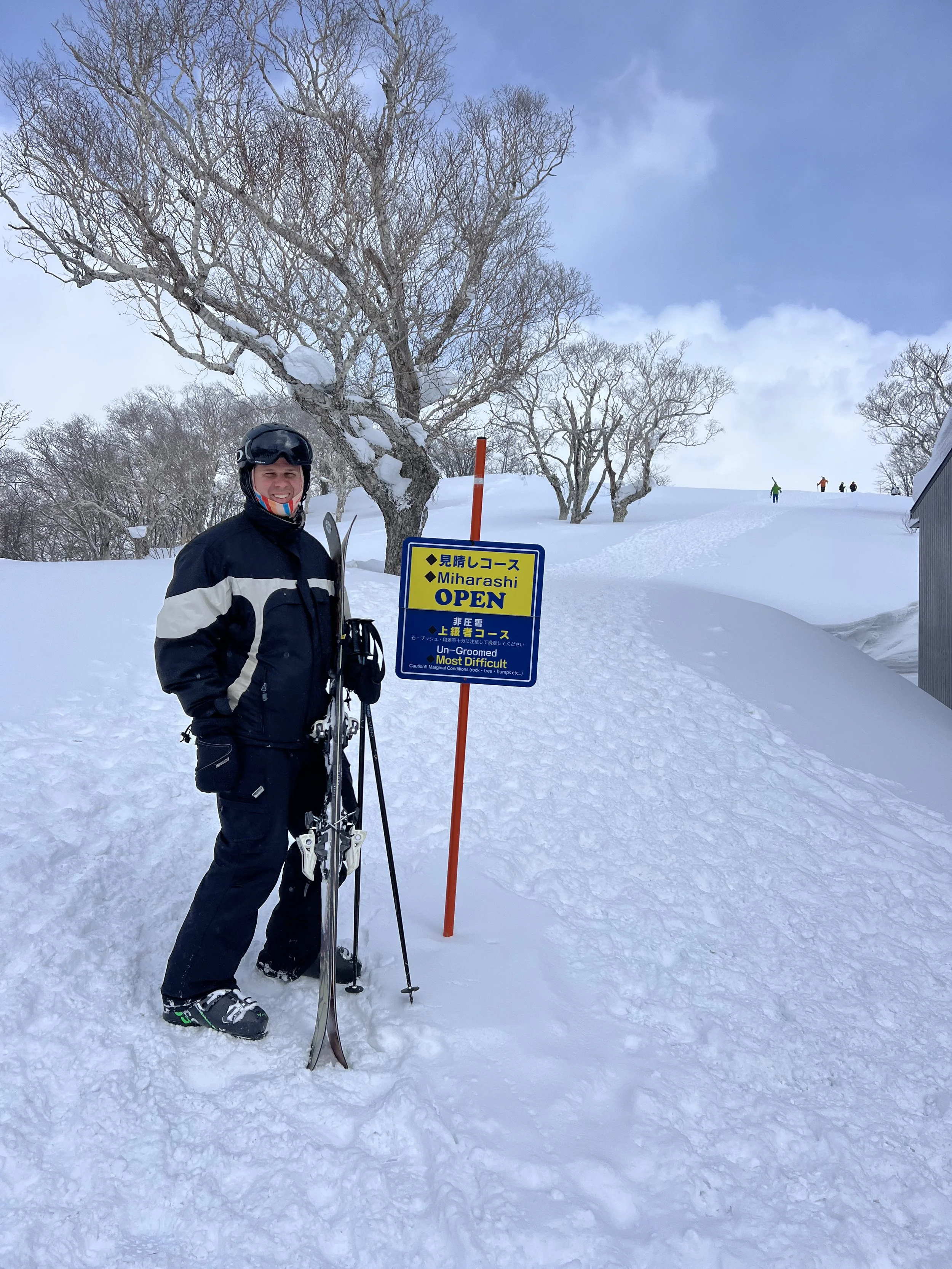
Trees under Hanazono Hooded Lift #1 (there are bells you can ring as you ski by) - black diamond experience level
Hanazono Hooded Quad Lift #3 - ski down the right side through the trees, but make sure you don’t veer too far away because if you can’t get back to the lift, you’ll have to hike up a big hill that takes 30 minutes and it’s not a fun time. I stayed in this area for nearly 4 hours, it was super awesome
At the top of Hirafu gondola, hike up to the right and hit the trees down to Holiday run. This was the best powder we had all trip, and some locals pointed us in the right direction!
Super (run down from Ace Hill Rest House) can be hit or miss. If it’s fresh powder, it can be super fun. Avoid if it’s icy
King Lift #4 at the top: This is a pizza box lift and super old school! The runs from the top again can be really fun if there is powder, but if not, I would avoid.
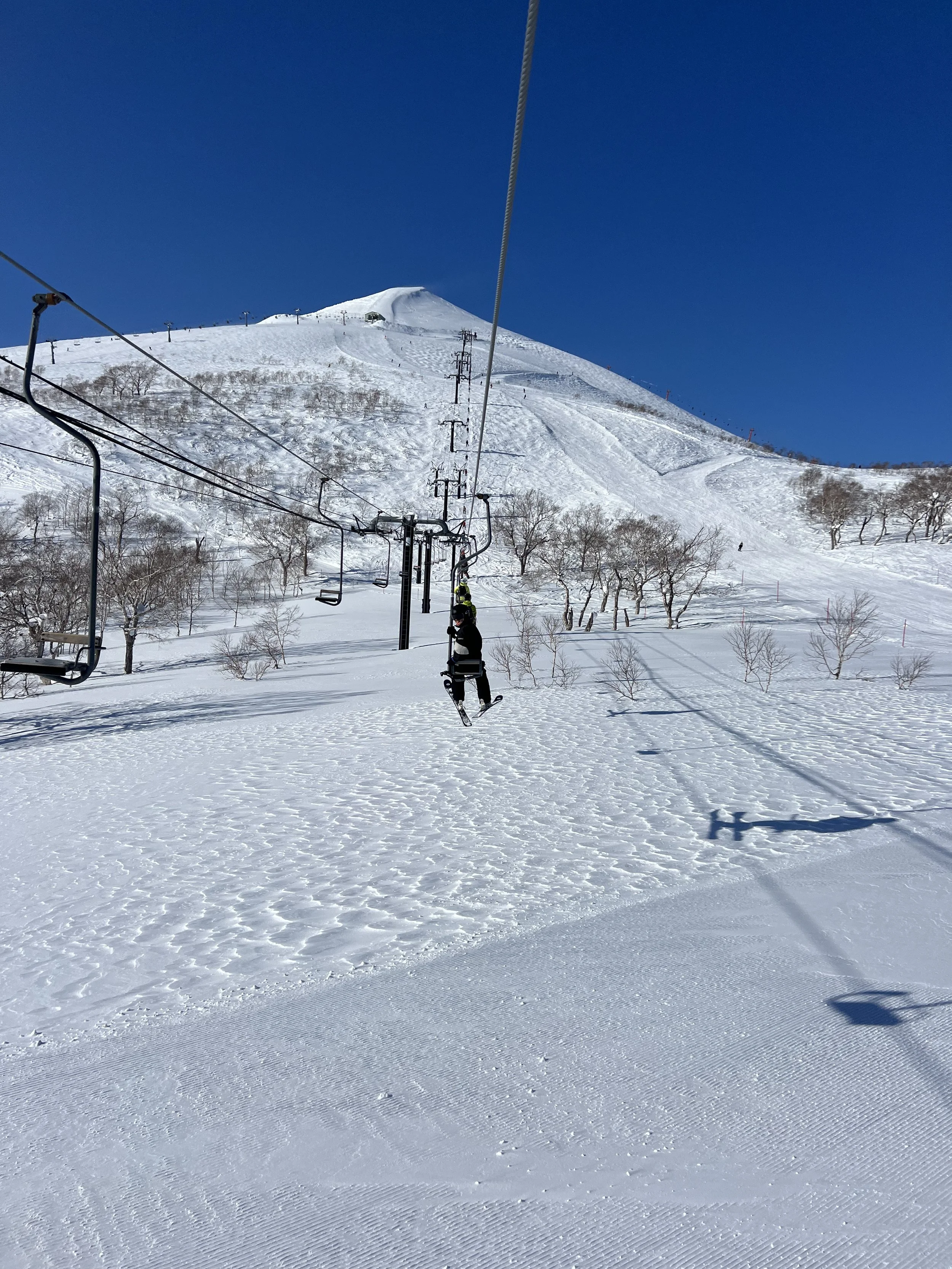
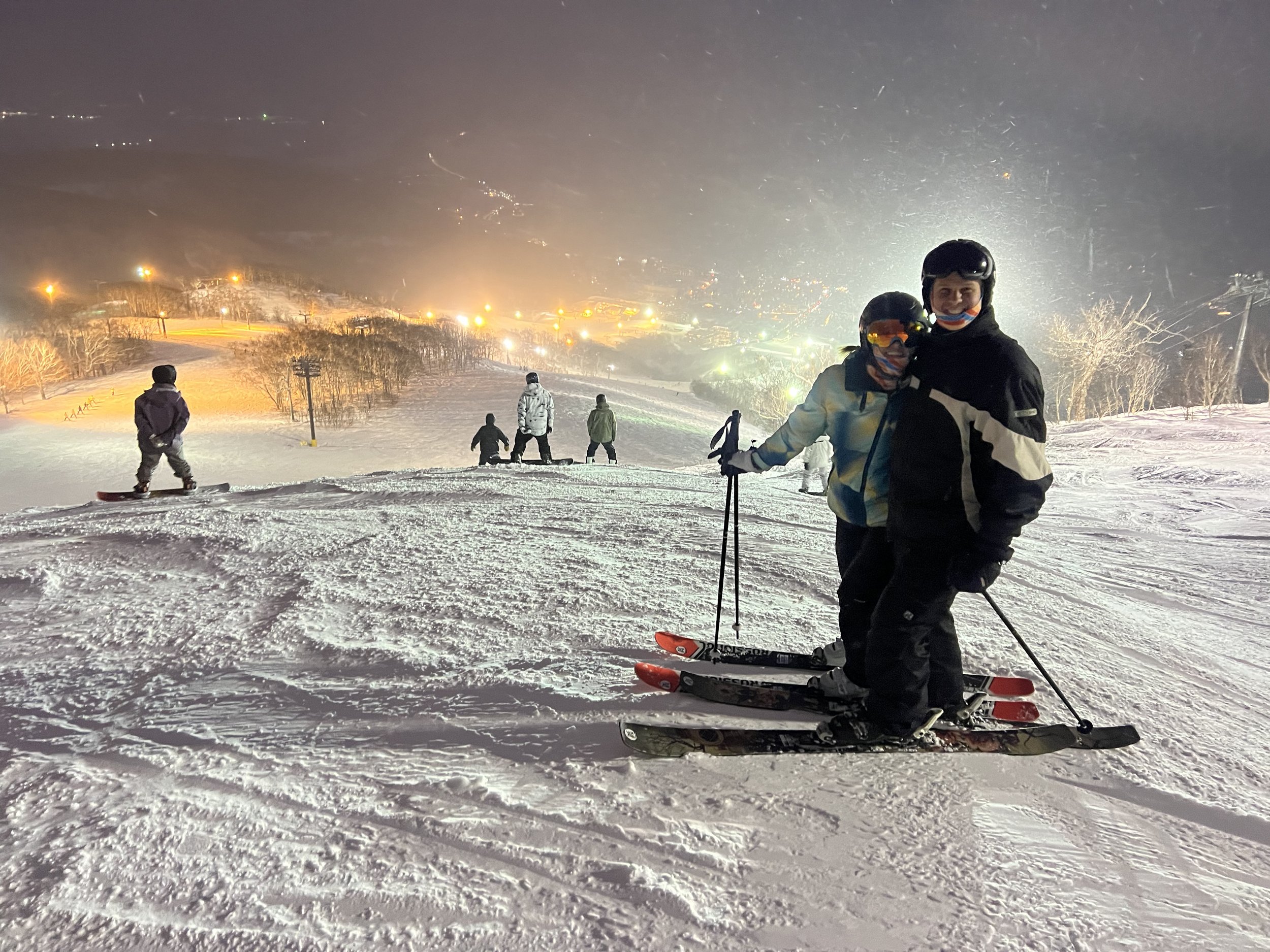
And of course.. night skiing! One of the most epic parts of Niseko is you can night ski, which starts immediately after the lifts close and is open till ~8pm. You could even ski for 10 hours straight if you really feel like pushing the limits.
Honorable mentions:
Superstition in Niseko Village - it was always icy when I was there (and then subsequently slushy in the afternoons), but the terrain was cool and fun
Don’t miss the Niseko Village Bear in the green area at the base of Village Express Gondola
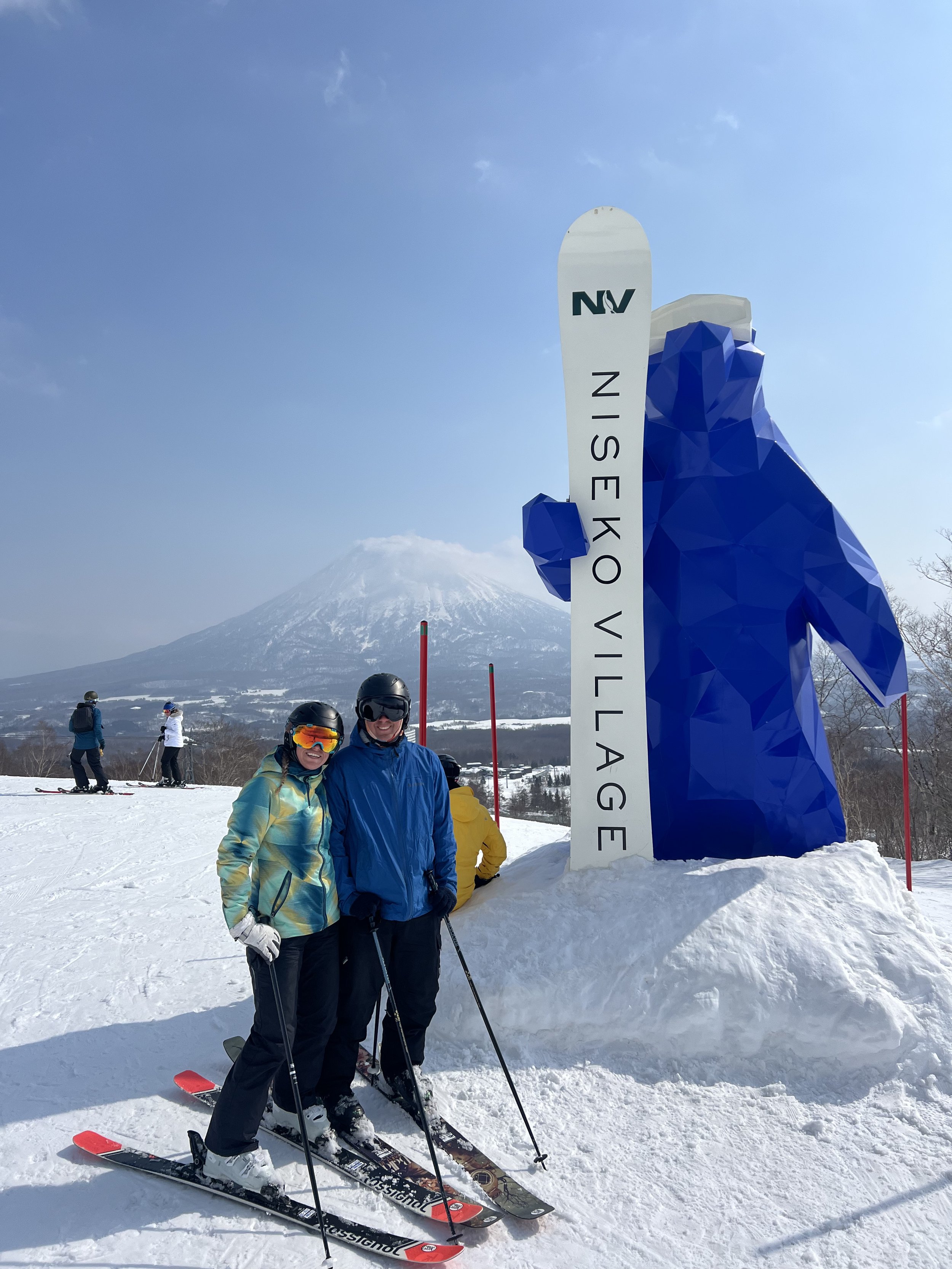
Must visit areas outside of Niseko
In Niseko:
BarGyu: A quirky cocktail bar where you enter through a refrigerator door, this bar provides classy vibes & awesome drinks. This is a nice place and is mid- to high- cost. It’s great to stop by for a drink at night.
Iroha Onsen: One of the only public onsen (Japanese hot springs), this is located towards the Annupuri side and is only accessible if you have a car or are staying over there (unless you ski over and onsen for lunch, which is fully acceptable). The cost is about $15, but if you bring your own towel, you can save ~$3. The unique thing about this onsen is it’s primarily outside, so you get zen vibes in the snow. Men and women are separated.
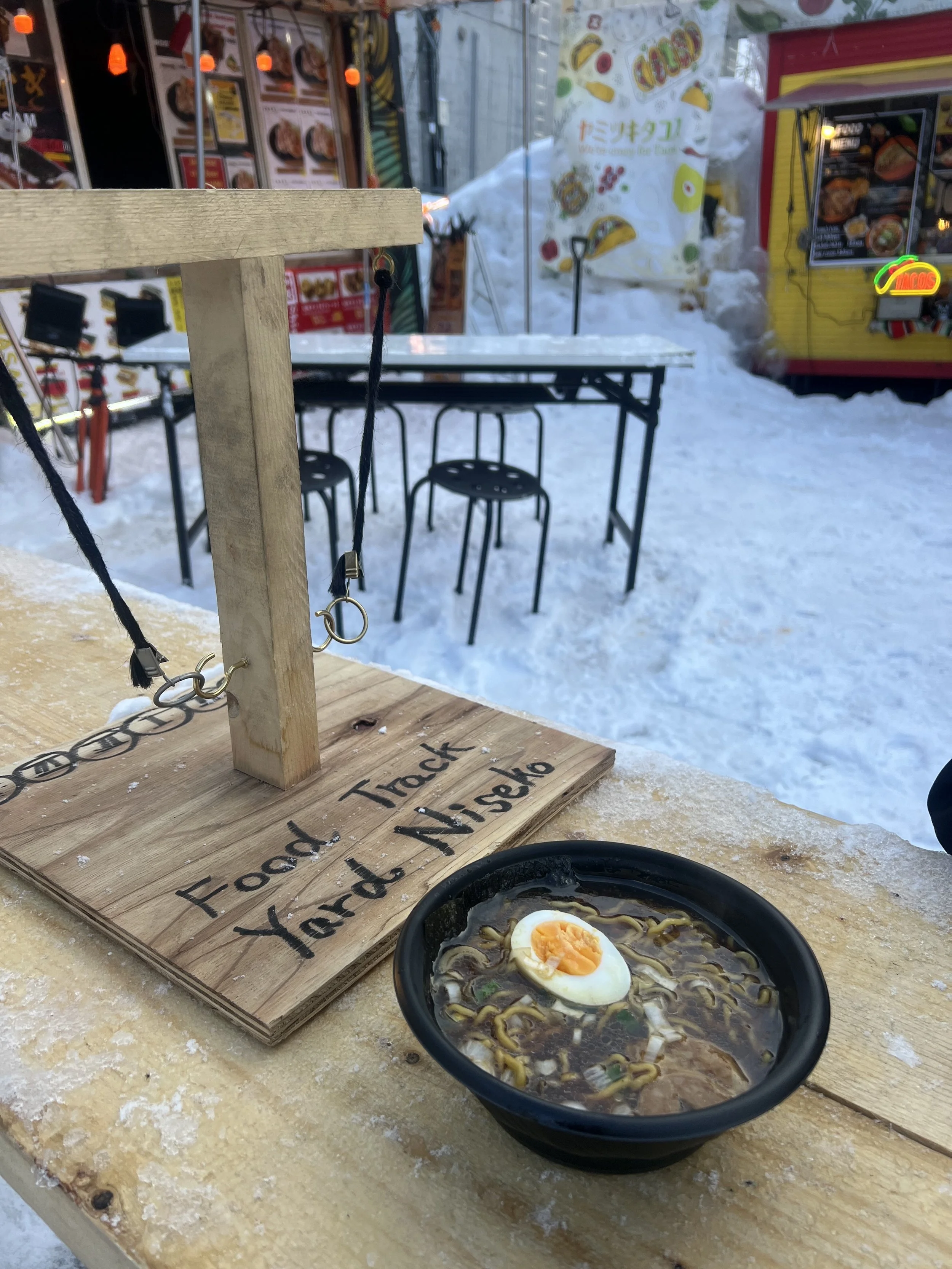
Hirafu Street Food Village: You’ll find that most restaurants are expensive and hard to get into (make sure you make reservations if you want to eat out!). One of the cheaper options in Niseko is the Hirafu Street Food Village, where you can get all types of food ranging from ramen to sushi hand rolls to burgers.
Seicomart: Finally, my absolute favorite thing in Japan is exploring the conbini (convenience stores) for amazing food. You can find the cheapest full meals of katsudon with rice, sushi, bao, you name it! It’s great for breakfast or if you’re looking to save some money, get every meal here.
Outside of Niseko:
Lake Toya, Shikotsu-Tōya National Park: Located an hour south of Niseko, this area hosts stunning views, natural hot spring pools, and outdoor hiking activities. It’s accessible year round, but unfortunately you will need to either have a car or sign up for a tour to access it. Try the Hokkaido Seasonal: Lake Toya & Noboribetsu Jigokudani Valley day tour from Sapporo!
Otaru: North of Niseko and on the way back to Sapporo from skiing, this port city is known for glassworks, music boxes, sake distilleries, and of course fish! It’s worth a few hours stop for some food and a walk around town.
Yunohanajozankeiden onsen: On my way back from Niseko to Sapporo, I went to this open air onsen (Japanese Hot Springs) that is extremely local and the best hot springs I experienced in all of Japan. The cost was $10 (again, remember to bring your own towel to save some money). They have a full kitchen inside and you can stay as long as you want!
In Sapporo:
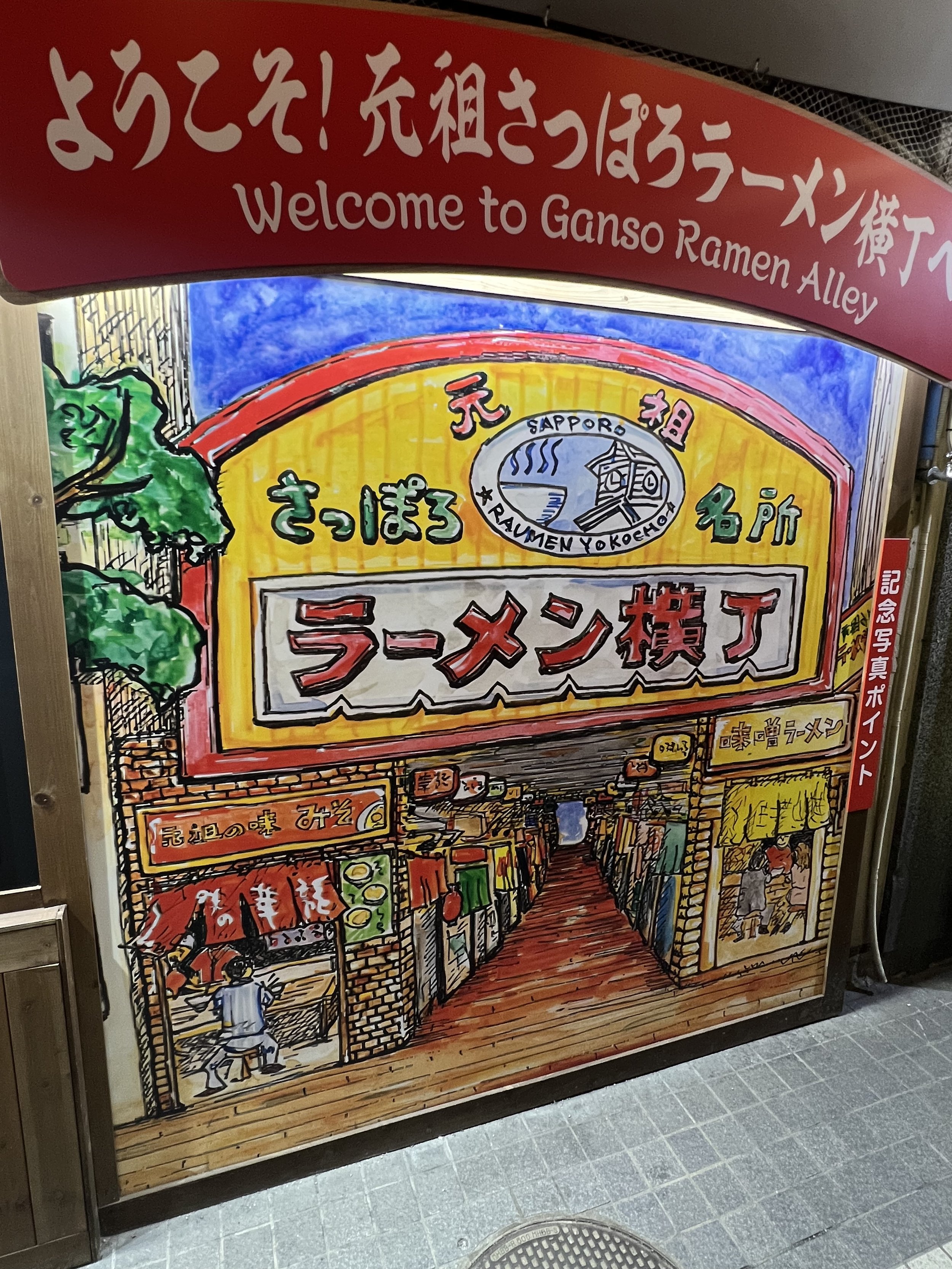
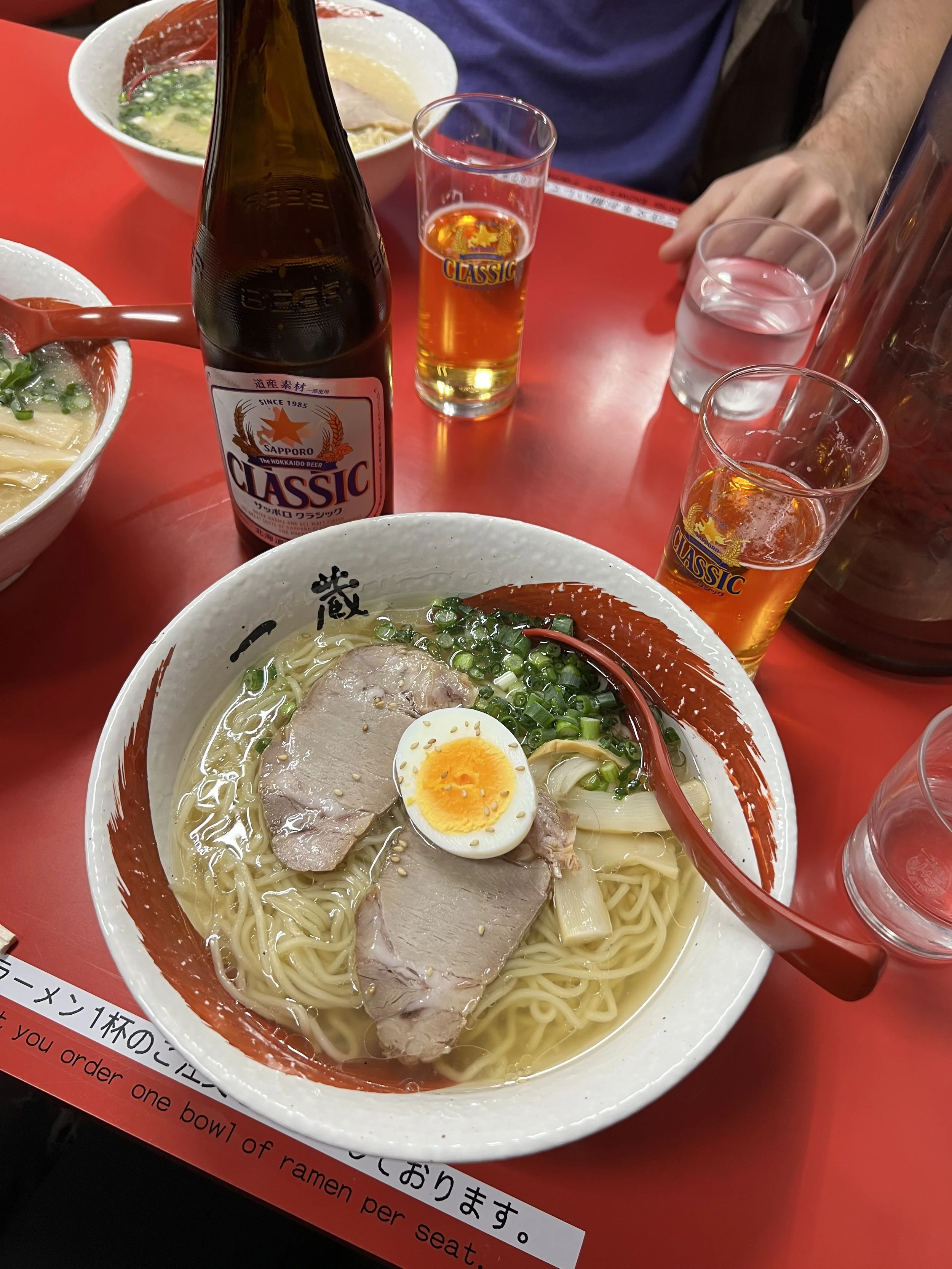
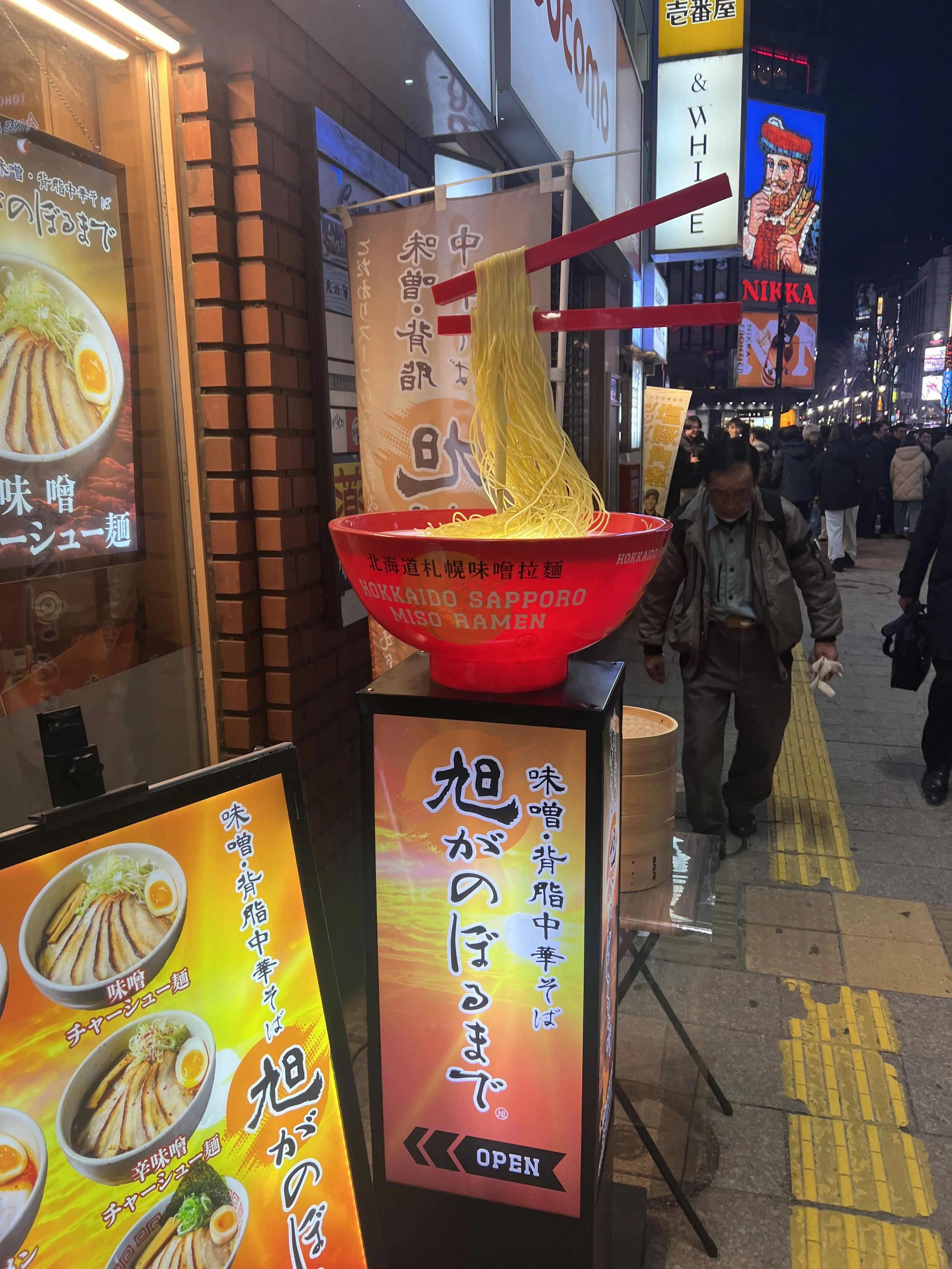
Ramen Alley: If you love ramen as much as I do…. this is something you cannot miss! You can’t go wrong. If you are looking for an authentic ramen choice, try miso ramen (which started in Sapporo) or curry ramen (a Hokkaido specialty).
Don Quijote: Looking for souvenirs? And not just souvenirs, but all of the most Japanese adorable items in one place? Don Quijote (located in pretty much all of the major Japanese cities) is typically a 5+ story building with literally anything you could hope for. Stuffed animals, chopsticks, cute squishy lights, cosmetics, anime figurines… the list goes on! Bring your passport for a VAT discount.
Clock Tower: For some history, check out the Sapporo clock tower that was built in 1878. It has a museum inside on the history of Sapporo.