3 Days in Miyajima & Hiroshima: Ultimate Itinerary and Travel Tips
Want to get off the tourist path of Tokyo and Kyoto? Head down to Hiroshima where you can see historical sites (most famously the Peace Memorial Museum) and stunning temples in Miyajima. This cheaper and less crowded area of Japan is worth the trip!
Note: If you don’t have international data, I highly recommend downloading an e-sim before your trip! While many of the huts have wifi, it’s good to have service in case of emergencies or to ensure your map loads. I use Airalo for my e-sims, which is affordable and is easy to download. Make sure your phone is e-sim compatible!
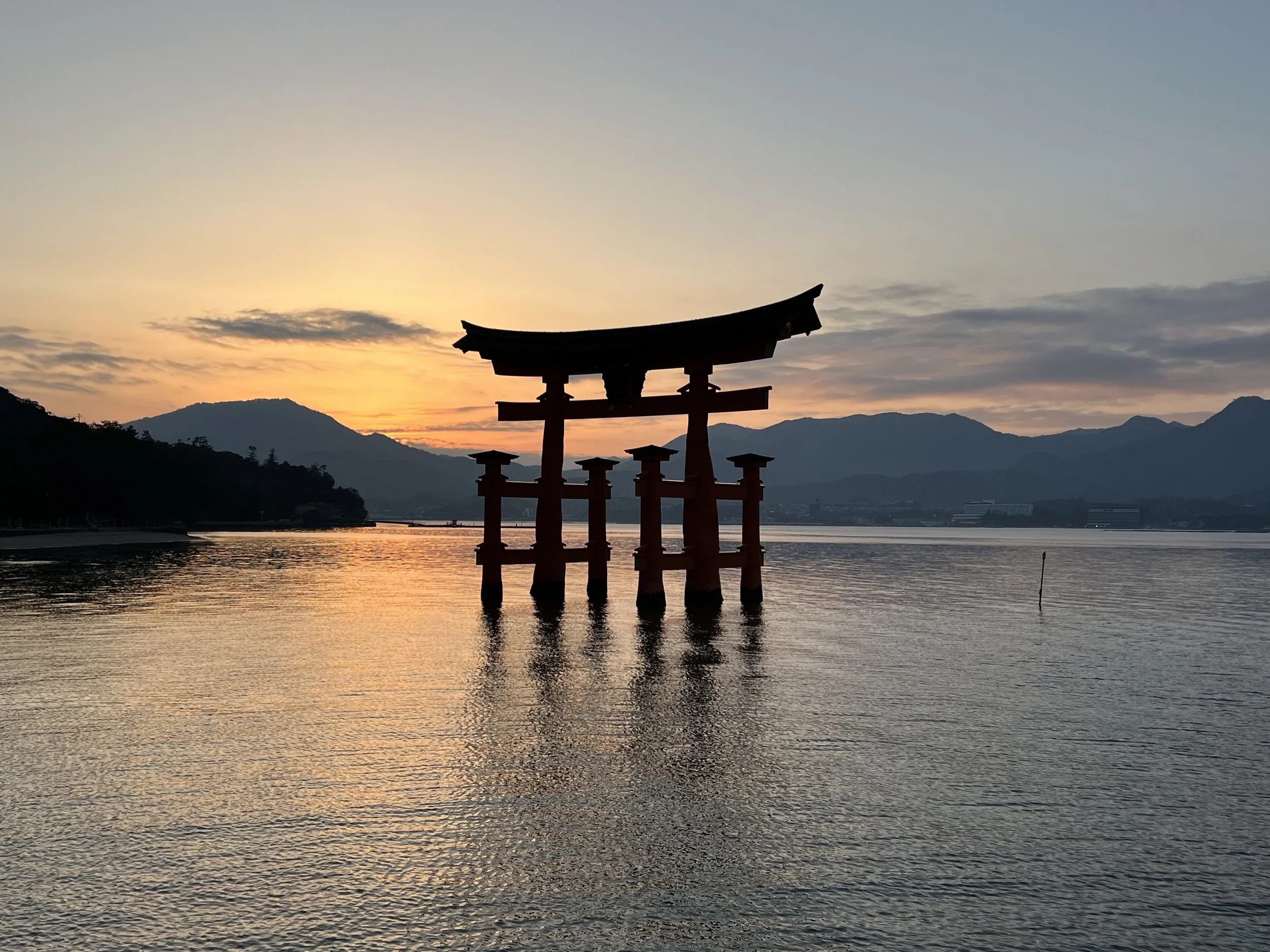
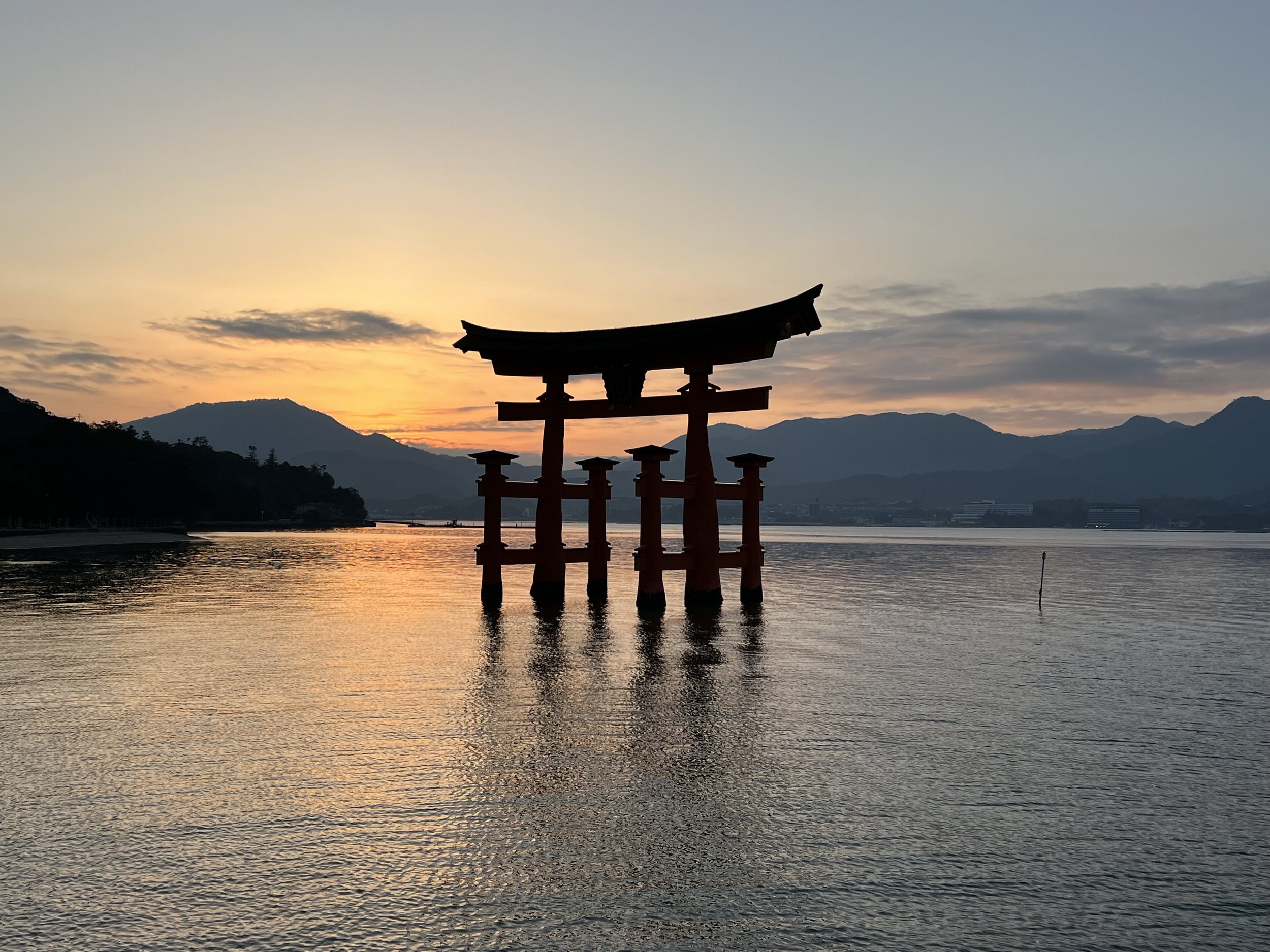
Miyajima: Itsukushima Shrine Otorii Gate
Hiroshima Logistics
How to get here
Hiroshima is best accessed by bullet train ($70 and 1 hour 40 minutes from Kyoto. While there is a Hiroshima airport, the closest international airport is in Osaka, and takes about 2-2.5 hours to get to (bullet train plus a bus or additional train to the airport).
Where to stay
I stayed close to the Peace Memorial Museum and to the east in the Hondori neighborhood. As with everywhere in Japan, the public transportation is wonderful, so no matter where you stay it will be easy to get around.
Time budgeting
I would recommend 1-day at Miyajima and 2-days in Hiroshima. You can absolutely tackle Hiroshima in 1-day if you are eager, but 2-days will give you a more relaxed schedule.
Top sites in Hiroshima
Peace Memorial Museum: Spend 2 hours reading stories and learning about the atomic bomb’s impact on Japan and Hiroshima. The museum was done very well, with a section on pushing for peace in nuclear war today. The museum is really cheap to enter (~$2), and can get really crowded. If you book online, you can come in before or after hours (i.e. 5:30pm) and have less people. I went in after hours and it was still packed. Outside, there is a nice park with many memorial plaques.
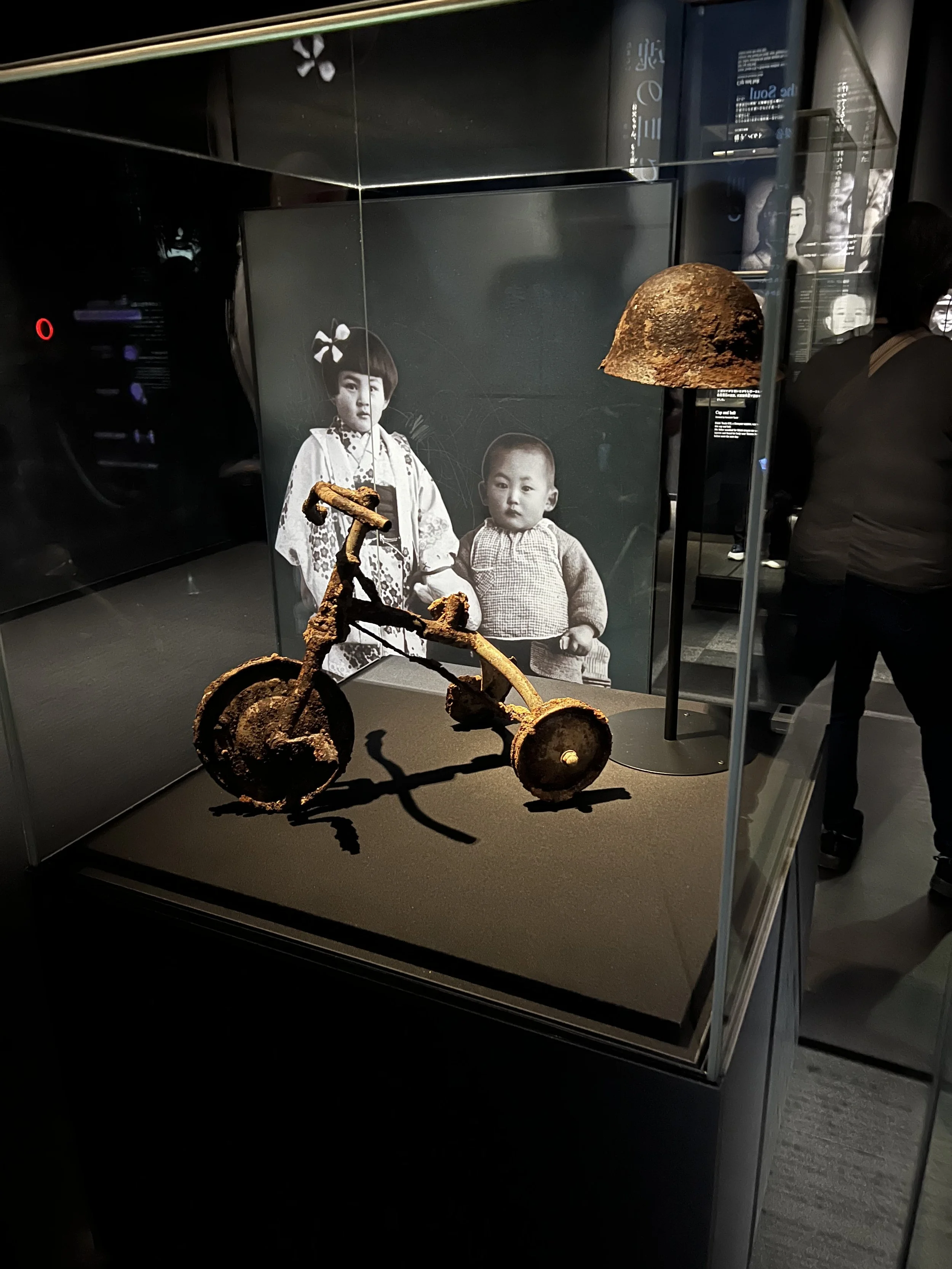
Hiroshima Peace Memorial Museum
Atomic Bomb Dome: This structure was one of the few buildings that remained standing after the atomic bomb. After much debate in the city on whether to remove it, they decided to keep it as a demonstration of the history of the city.
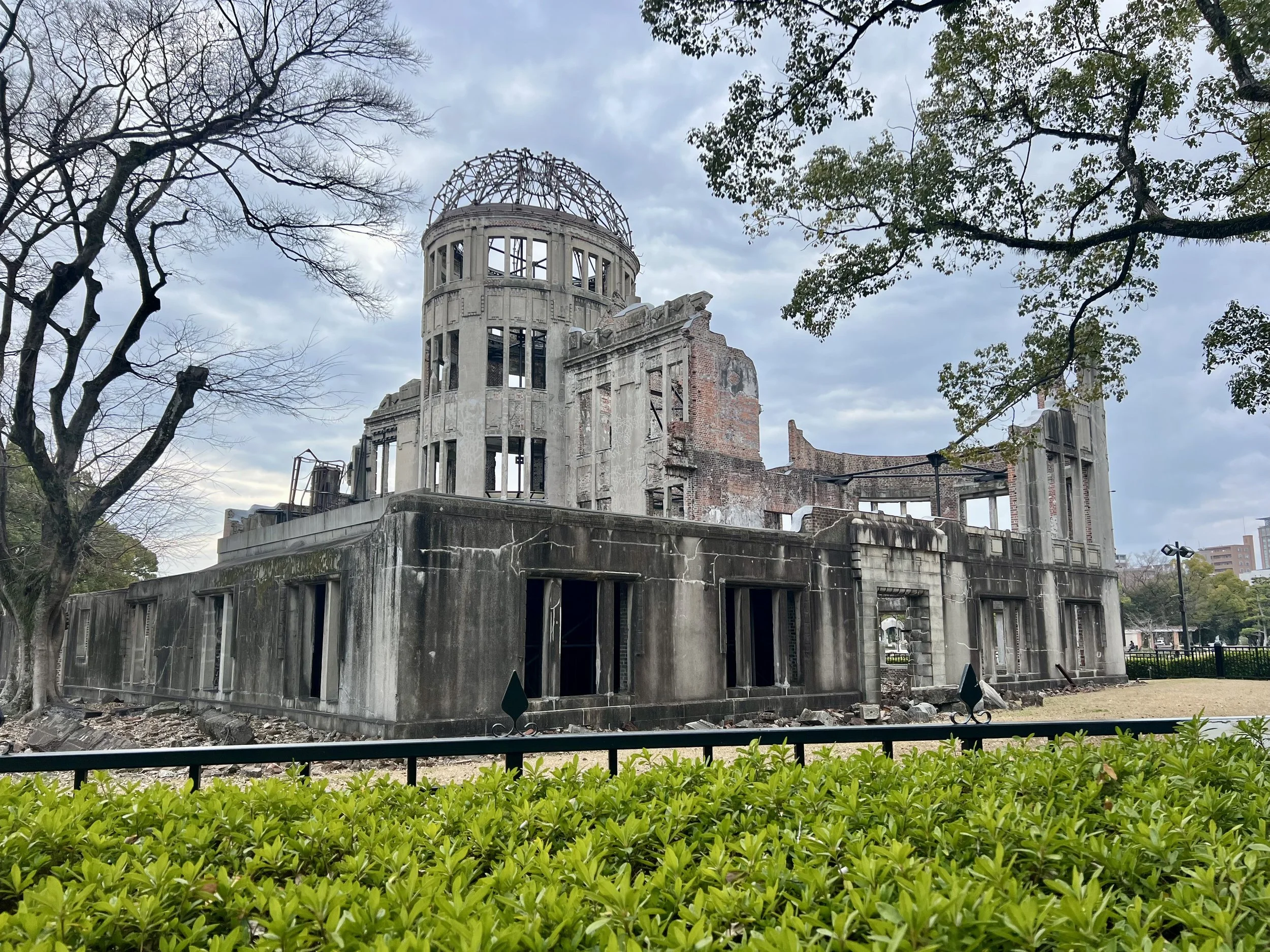
Atomic Bomb Dome in Hiroshima
Hiroshima Castle: The Hiroshima Castle was mainly destroyed in 1945 from the atomic bomb. This replica was built in 1958 and displays the history of Hiroshima before World War 2. You can walk around the castle and grounds for free (only fee is if you want to enter the castle, which I did not because I already visited the Matsuyama castle). On the grounds you can find a few trees that survived the atomic bomb, including the famous A-Bomb surviving Eucalyptus & Camphor trees. If you’re there in March or April, the cherry blossom trees are in full swing and light up the garden.
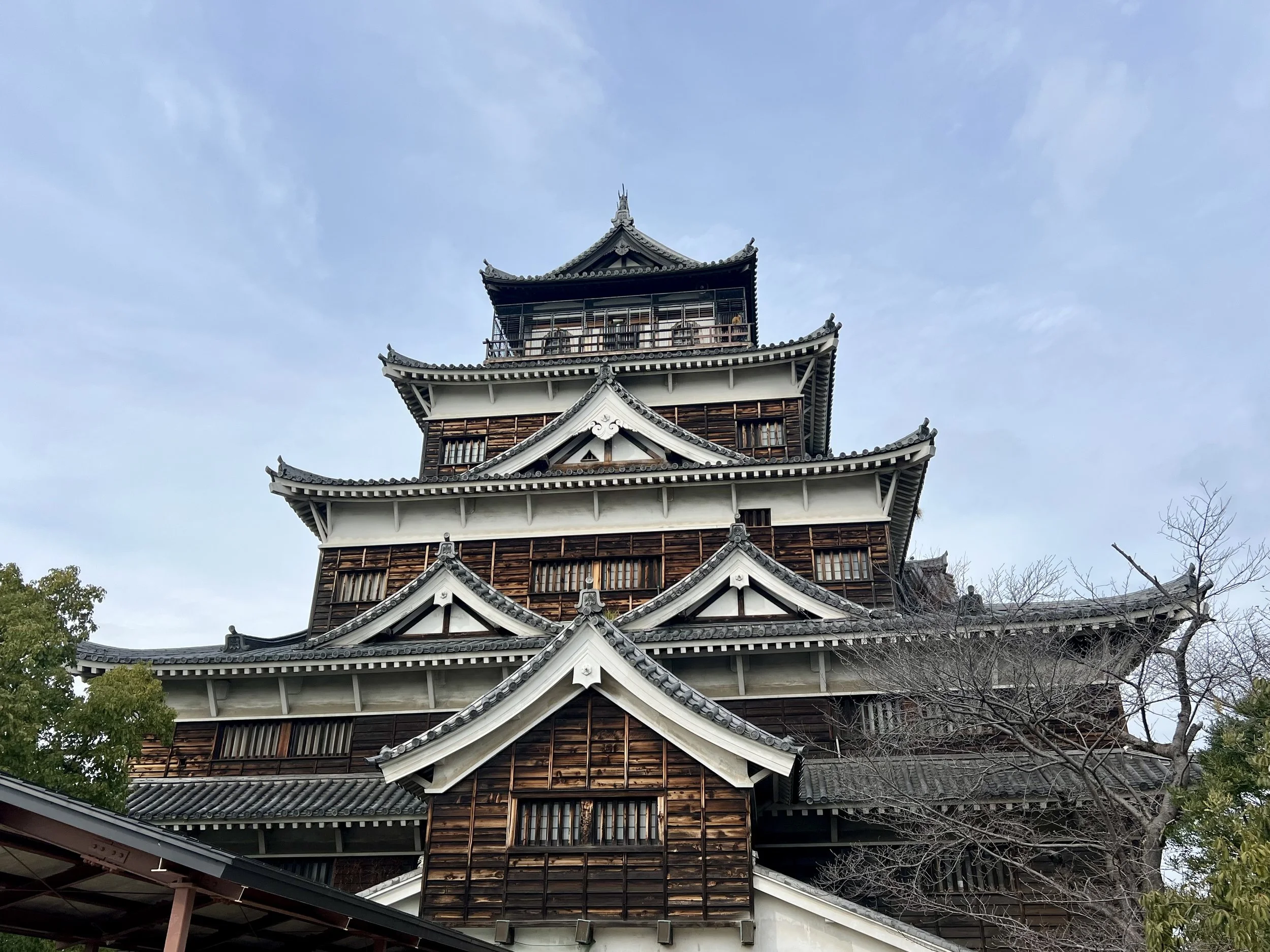
Hiroshima Castle
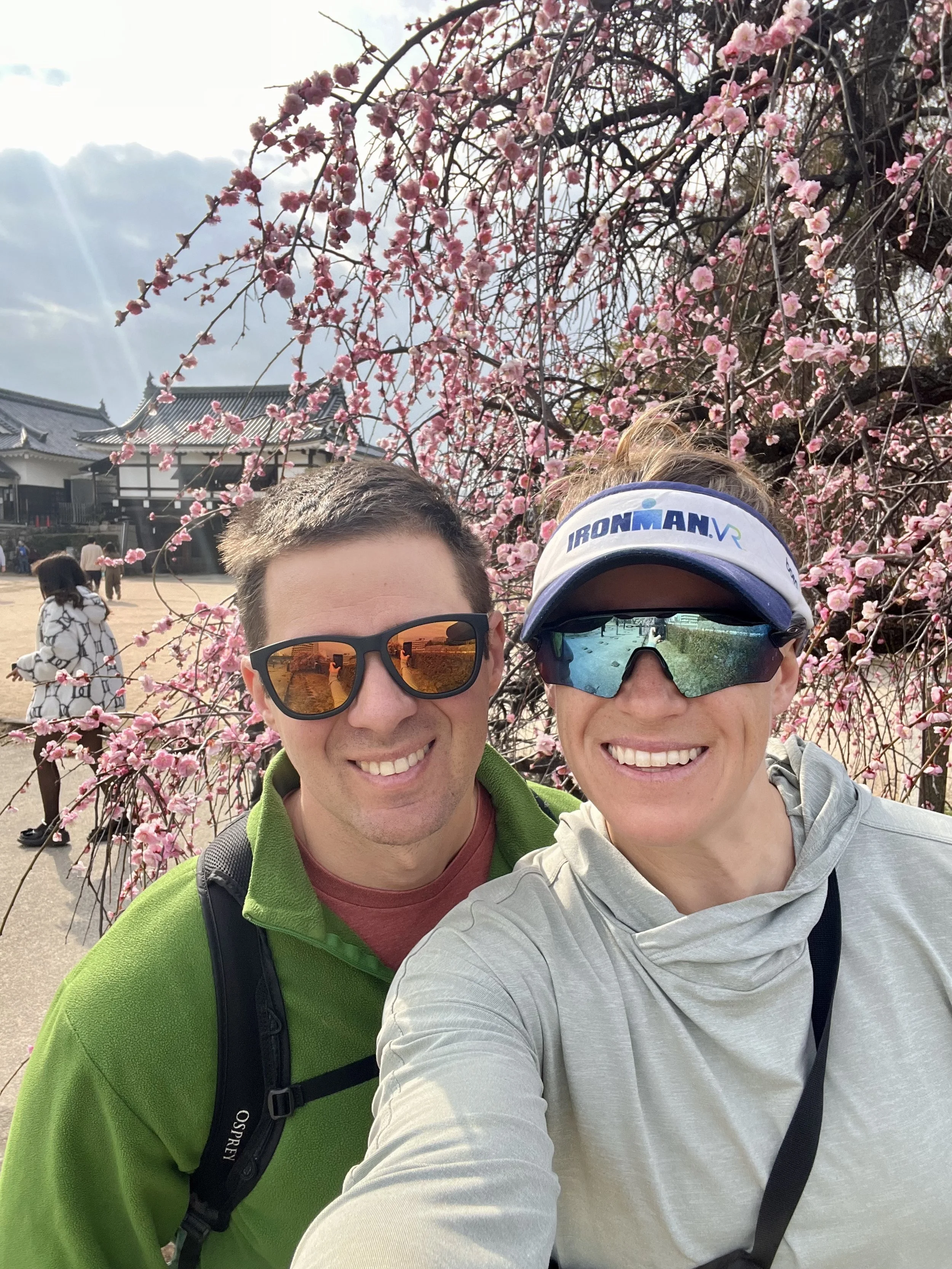
Hiroshima Castle grounds, with cherry blossoms!
Shukkeien Garden: Originally created in the 1600s by the reigning daimyō, this was my favorite garden I visited in all of Japan. It was opened to the public during World War 2, and was widely destroyed with the atomic bomb. It’s been expertly fixed up depicting what it looked like prior to the bomb, and is a tranquil place to walk around.
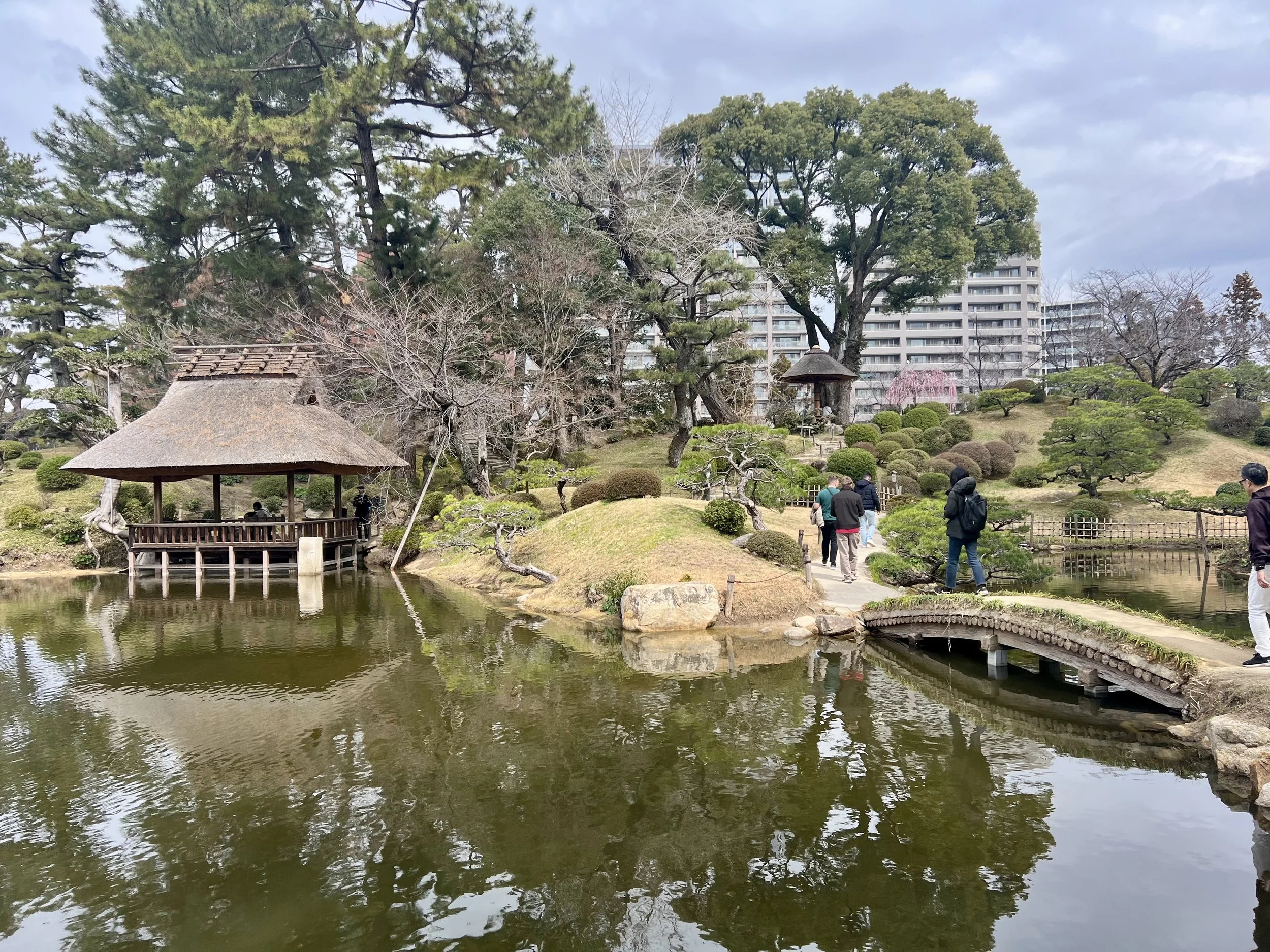
Shukkeien Garden
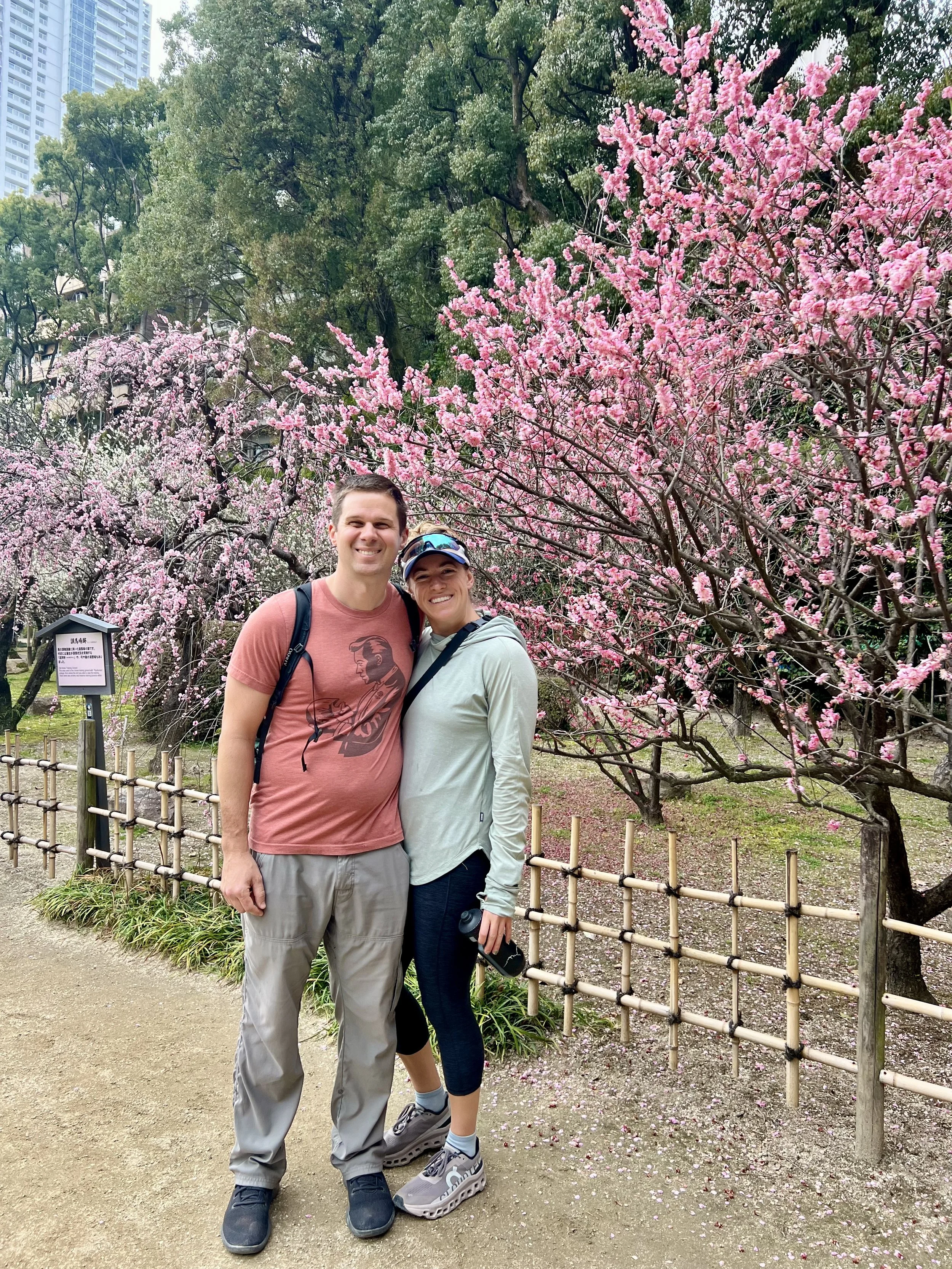
Cherry blossoms started blooming around March 10, 2025!
Other random thing… pizza vending machine? It’s in a park. Go find it!
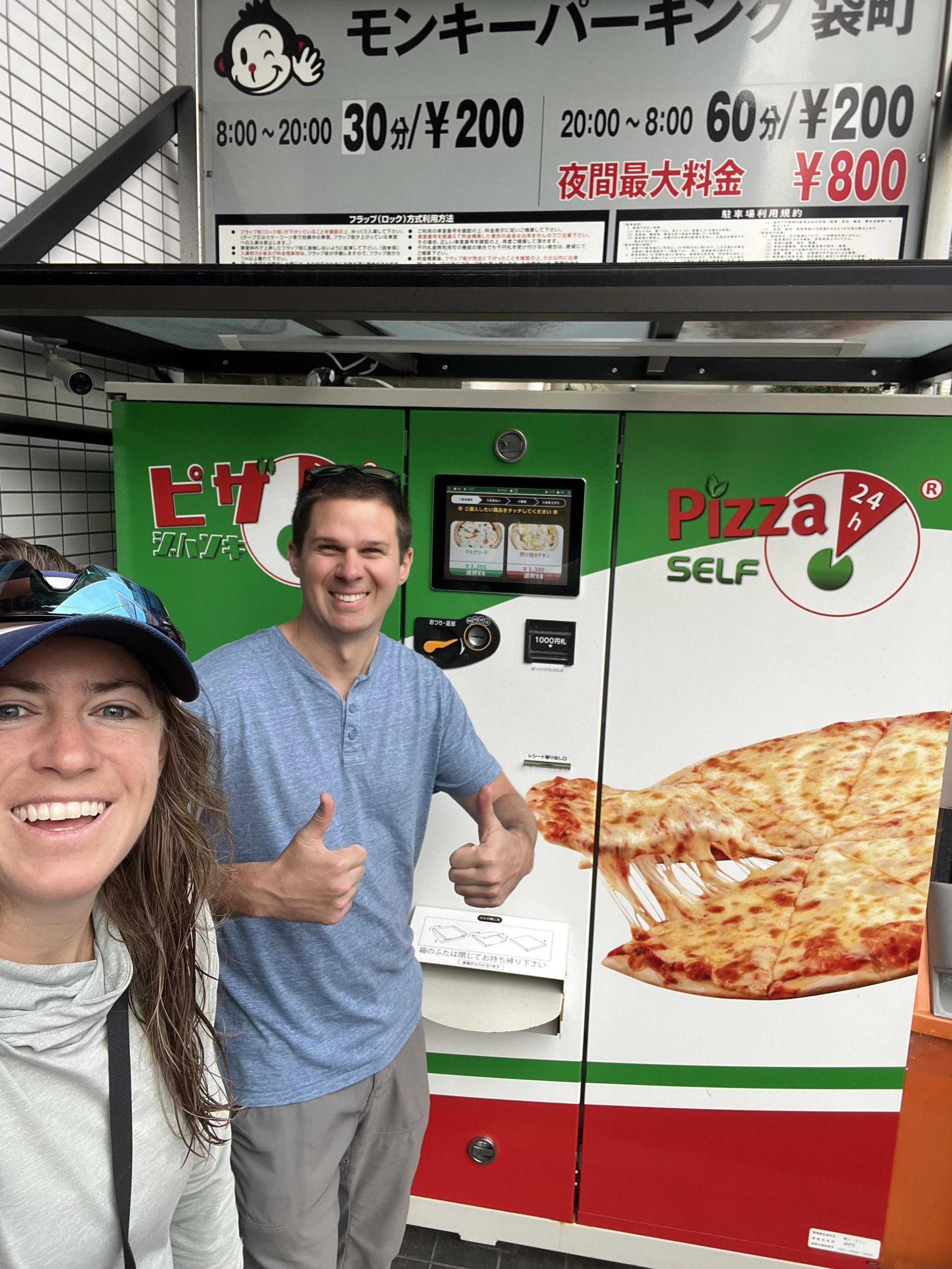
Gotta love Japan and the random finds!
Guide to visiting Miyajima
Miyajima, notably famous for the Itsukushima shrine, has so much to offer. It’s an easy train ride from Hiroshima (~30 minutes) and is a good day trip. You can stay the night here if you’d like, but the town of Miyajima is pretty sleepy after 5pm when all the day trippers leave, so you won’t find a ton of restaurants open. Shops on the island close exactly at 5pm when the sun goes down, but you can grab the ferry every 10-minutes later.
Once you arrive at the train station, walk to the ferry port and hop on the short ferry ride to the island of Itsukushima.
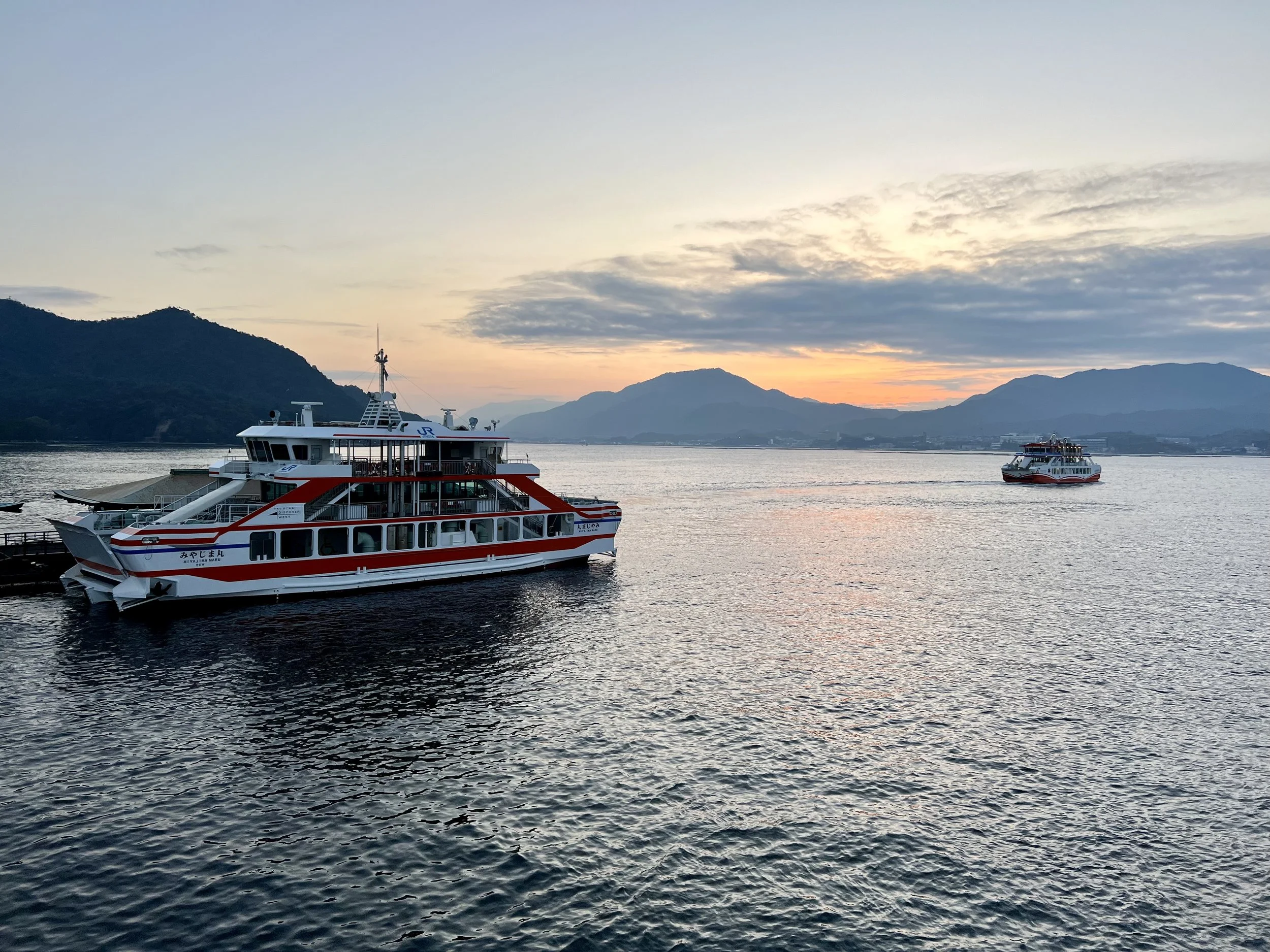
Ferries run every 10 minutes from Miyajima and Itsukushima
Make sure to grab a to-go eel bento box from Anagomeshi Ueno あなごめしうえの. It’s a bit expensive (~$20 for one box), but it has so much food and it’s absolutely delicious. We bought our bento boxes and ate them in the forest just outside the Miyajima Ropeway. But beware of the deer - they will actually eat food out of your hand (and bite you!)
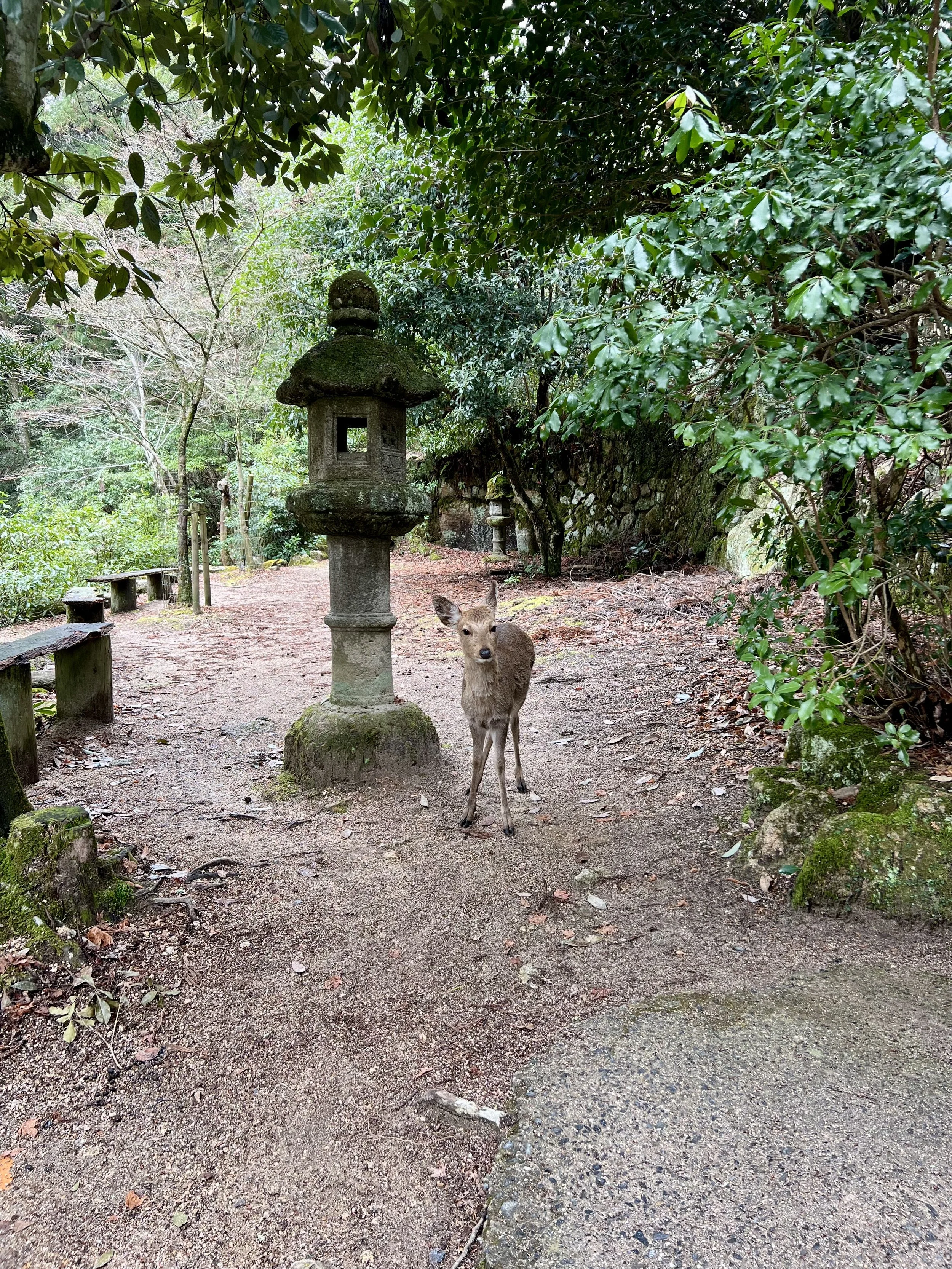
The deer may be cute… but they are feisty! Keep food away from them!
Itsukushima Shrine Otorii Gate: This is what everyone comes to see. The giant gate in the ocean is typically submerged in water, but in low tide, you can walk up to the gate and take photos. It’s especially pretty during sunset, so make sure you come back in the afternoon!
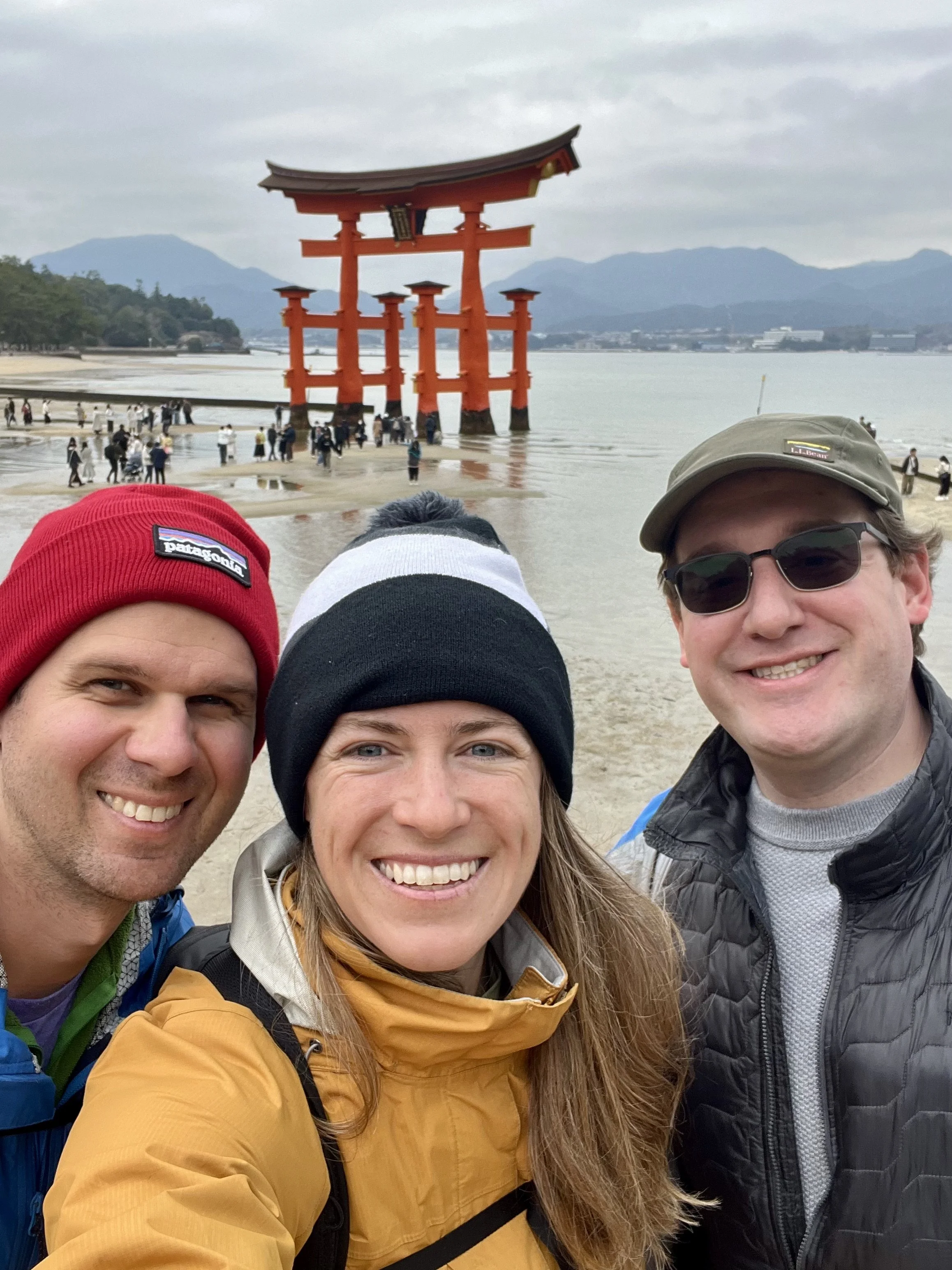
Low tide at the Otorii Gate
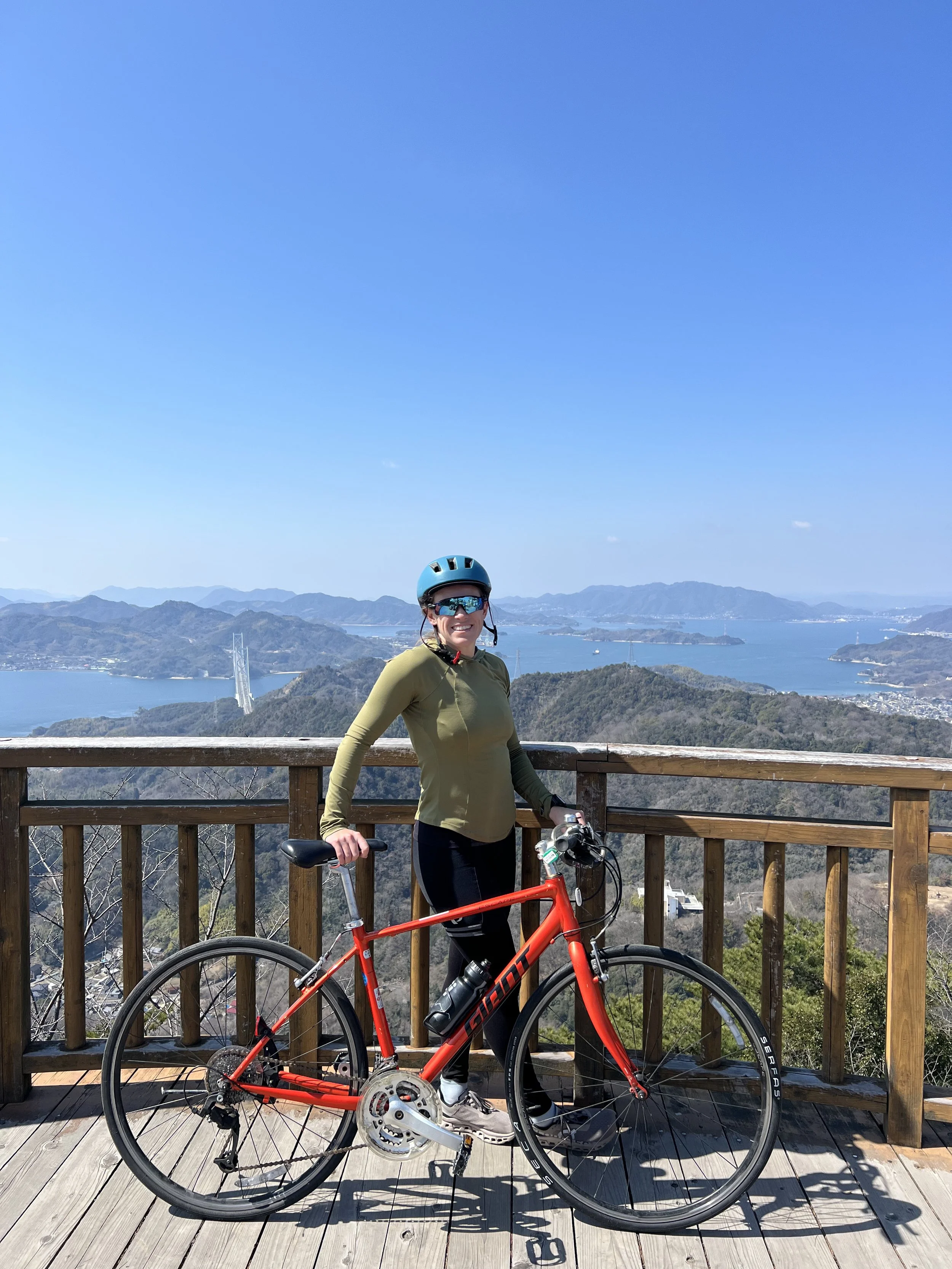
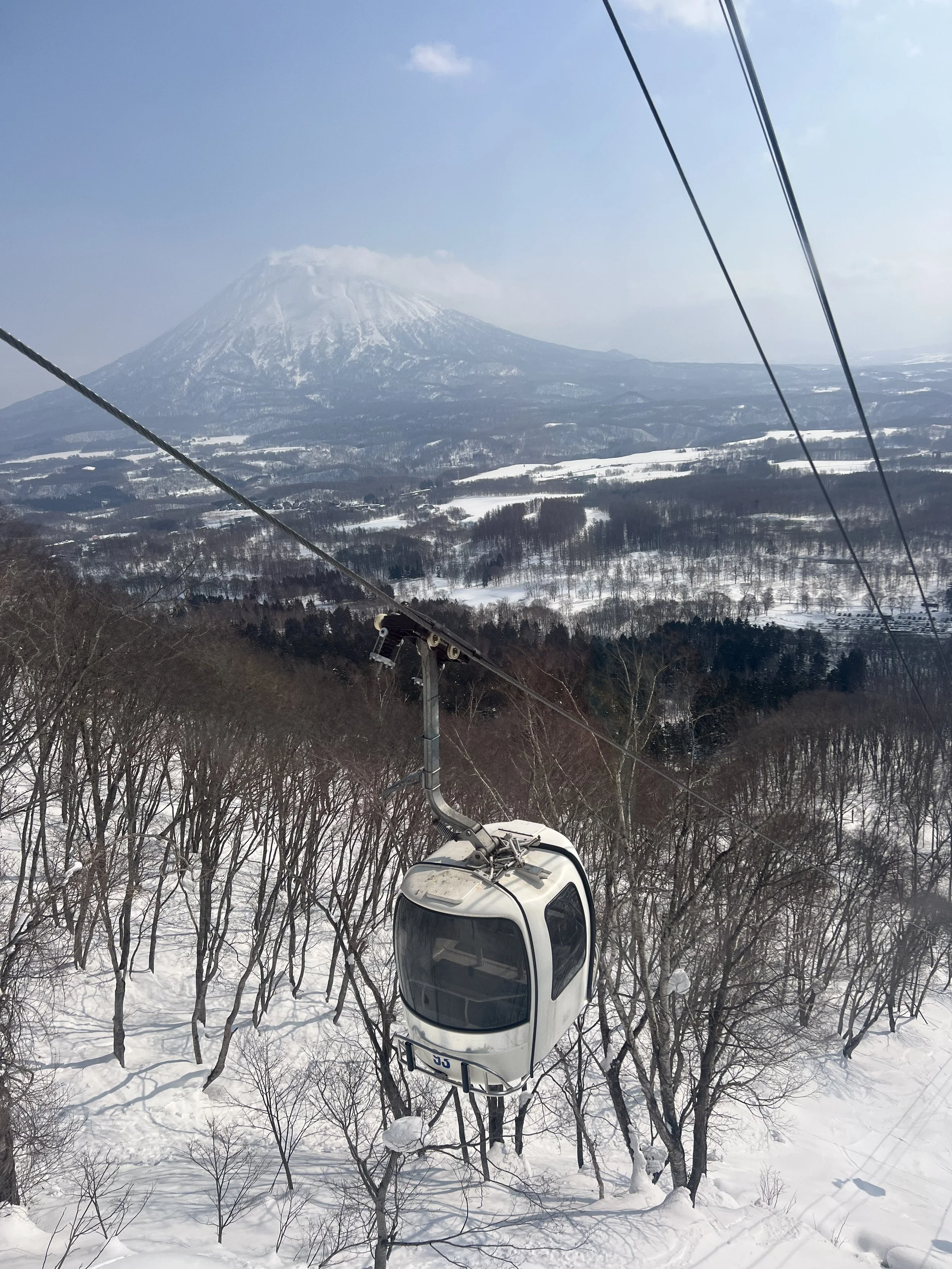
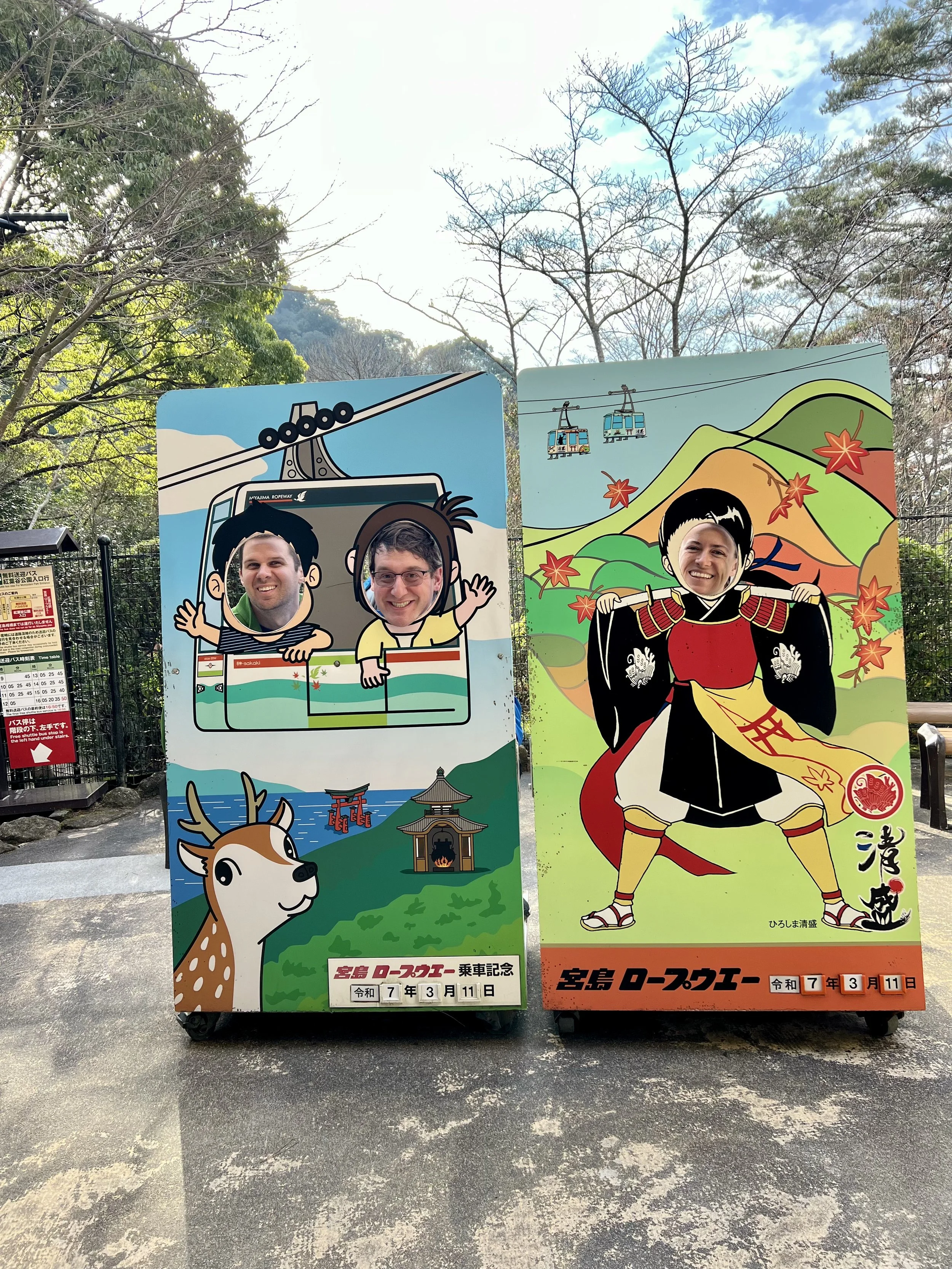
Miyajima Ropeway: To get to the top of the island, there is a ropeway that takes nearly 1 hour. There are 2-3 different gondolas connected together to get you to the top viewpoint. You can also hike this if you’re feeling up for it, but it is a lot of elevation. Make sure to get in line for the gondola going down at least 30-minutes before closing, because in Japanese efficiency, it does close on time whether there is a line or not! And if you get stuck at the top, you’ll have to hike your way down.
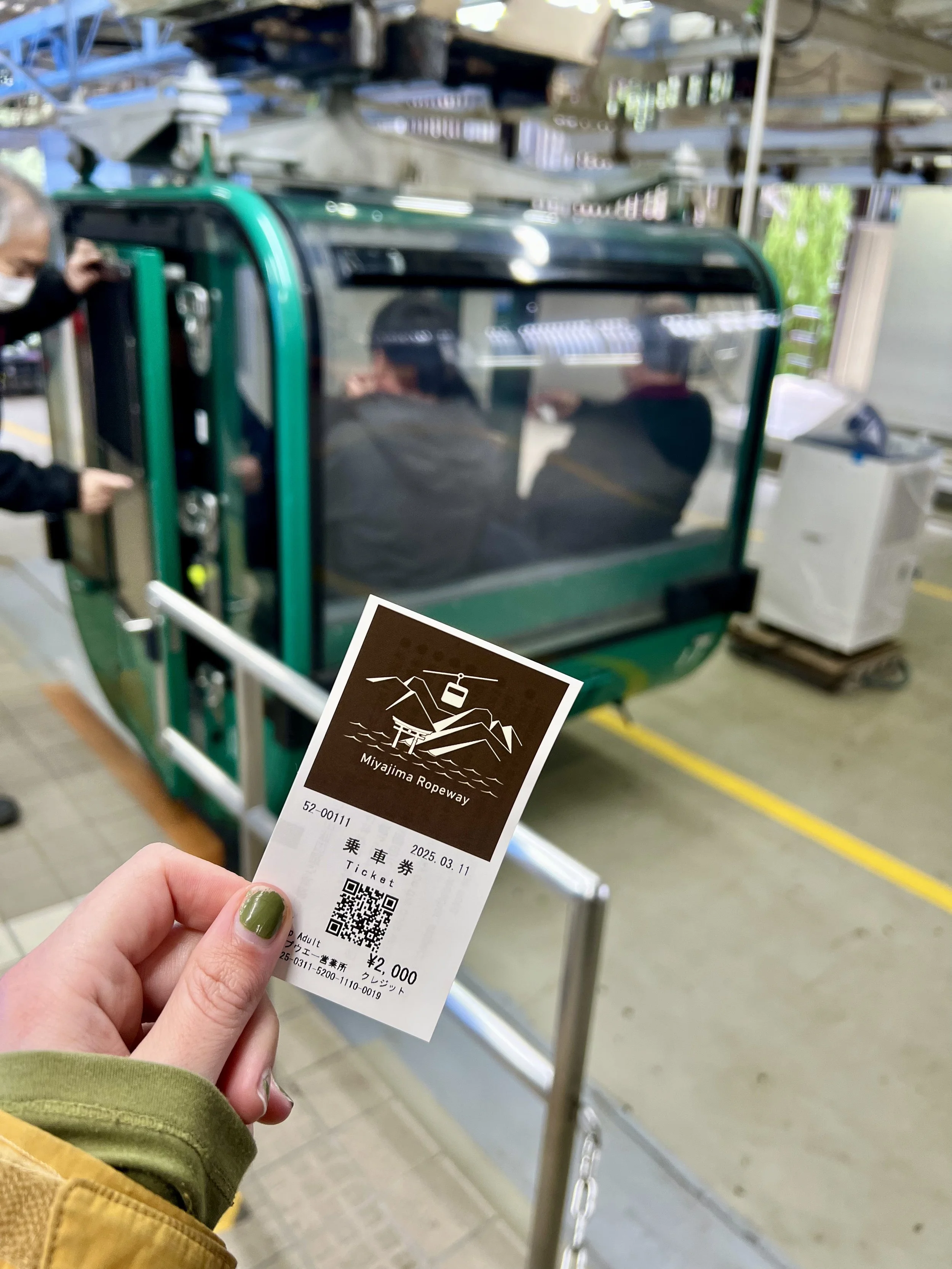
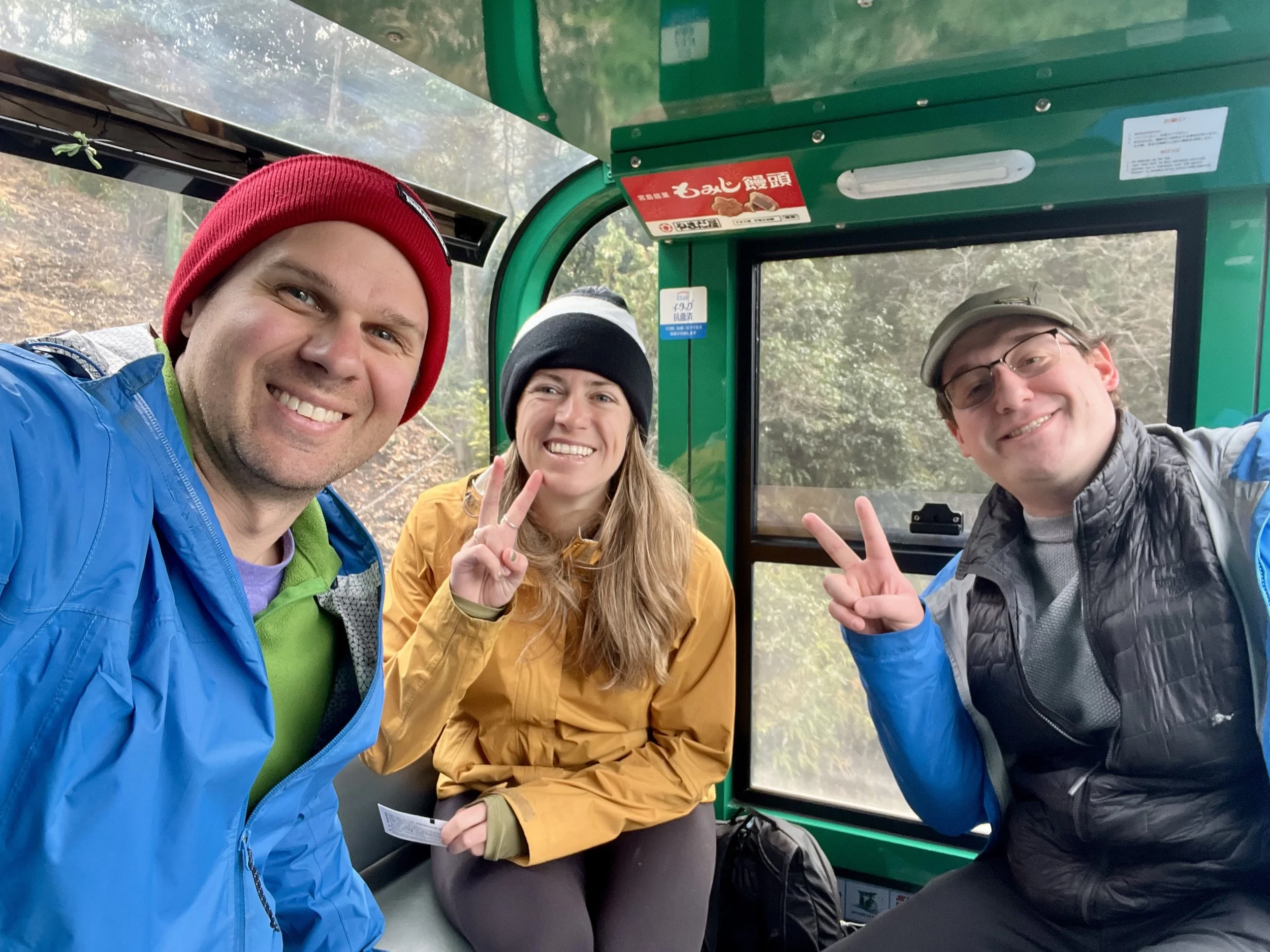
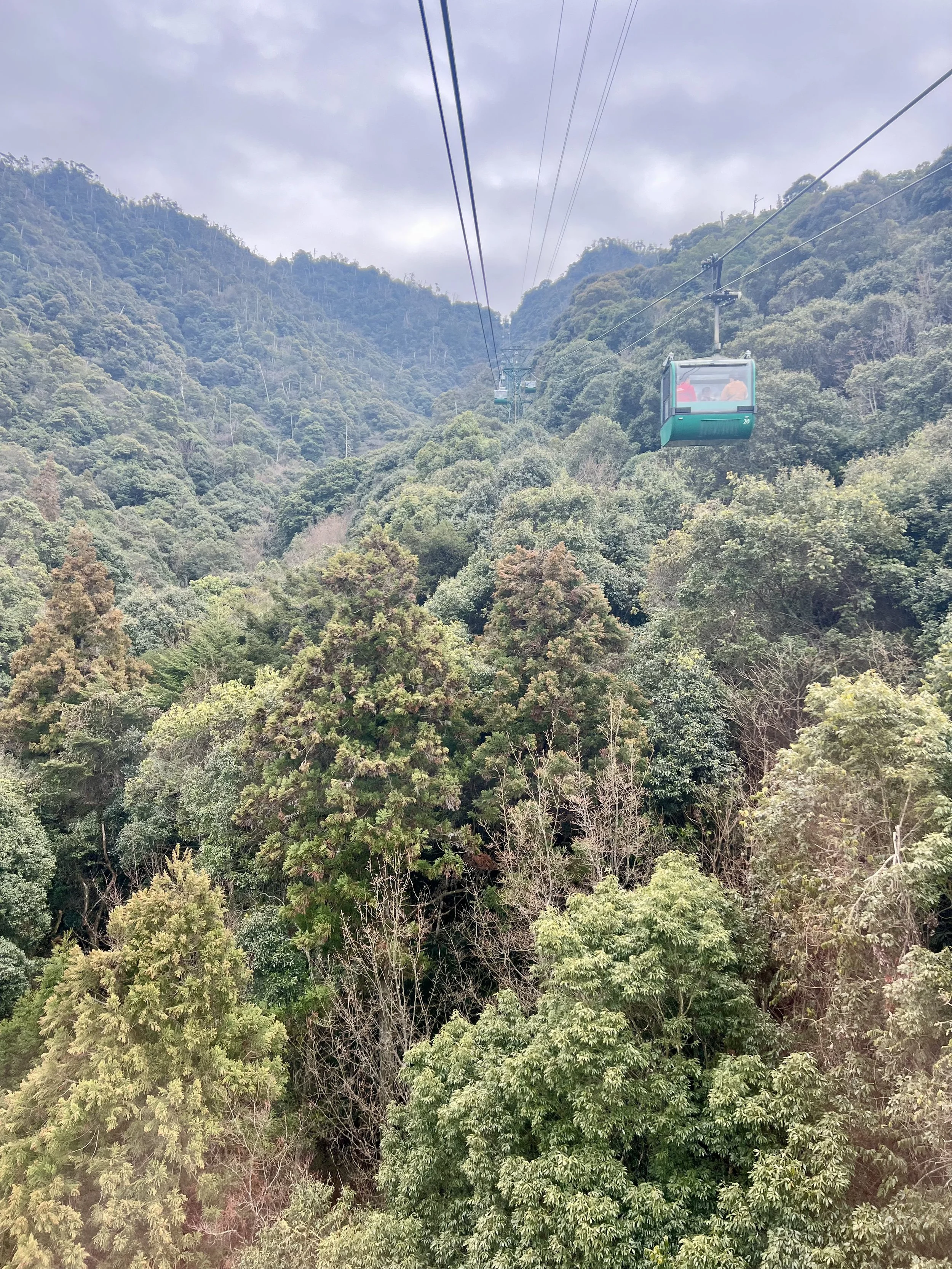
Mount Misen Observatory: From the top of the Miyajima Ropeway, take a 1-hour round trip walk to the top of Mount Misen. You’ll pass by a number of temples including Dainichido, Apotropaic Fudō Buddha, and Mikido. I thought the view from Mount Misen was better than the top of the ropeway, and it’s a nice walk if the weather is good.
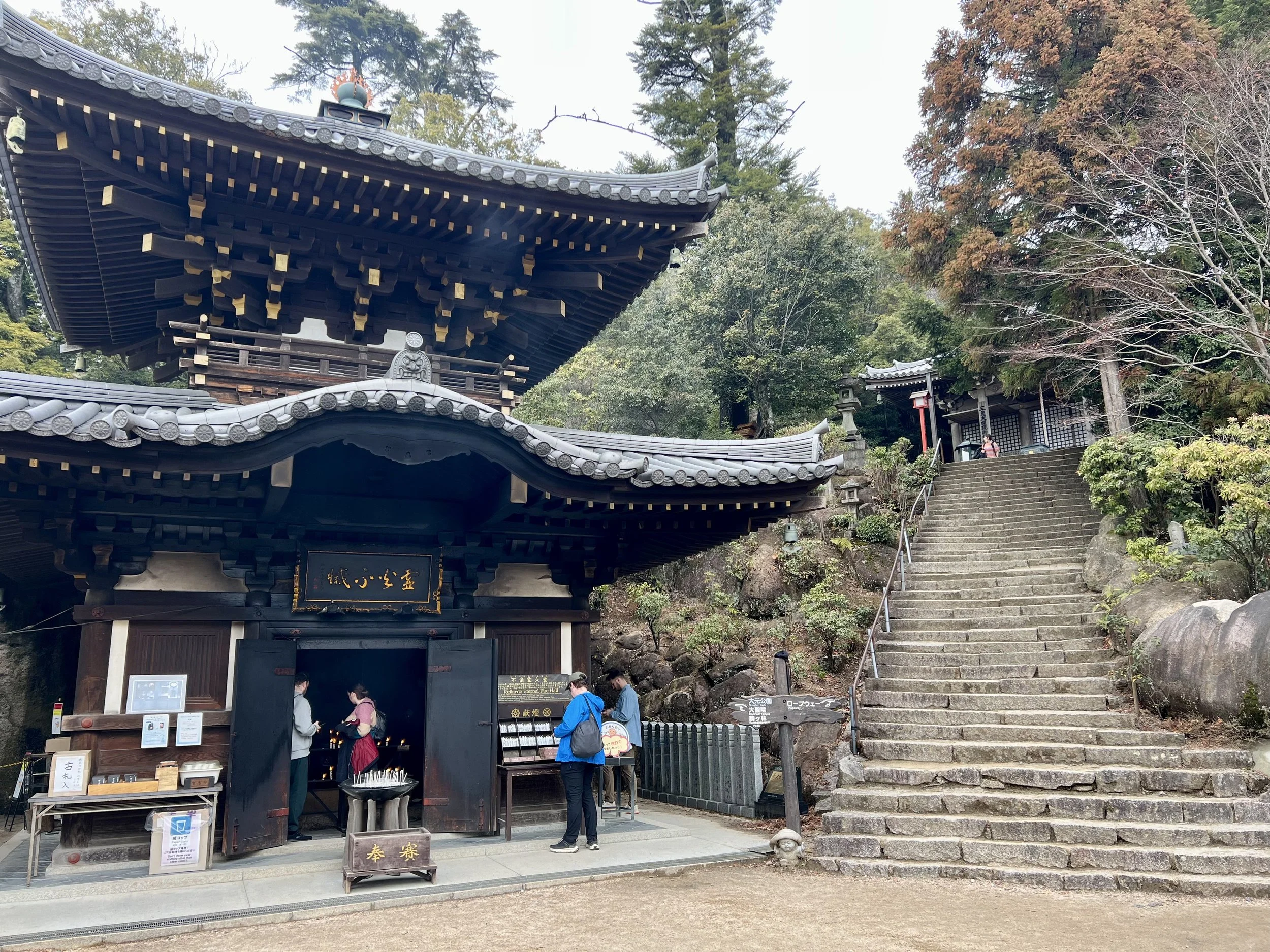
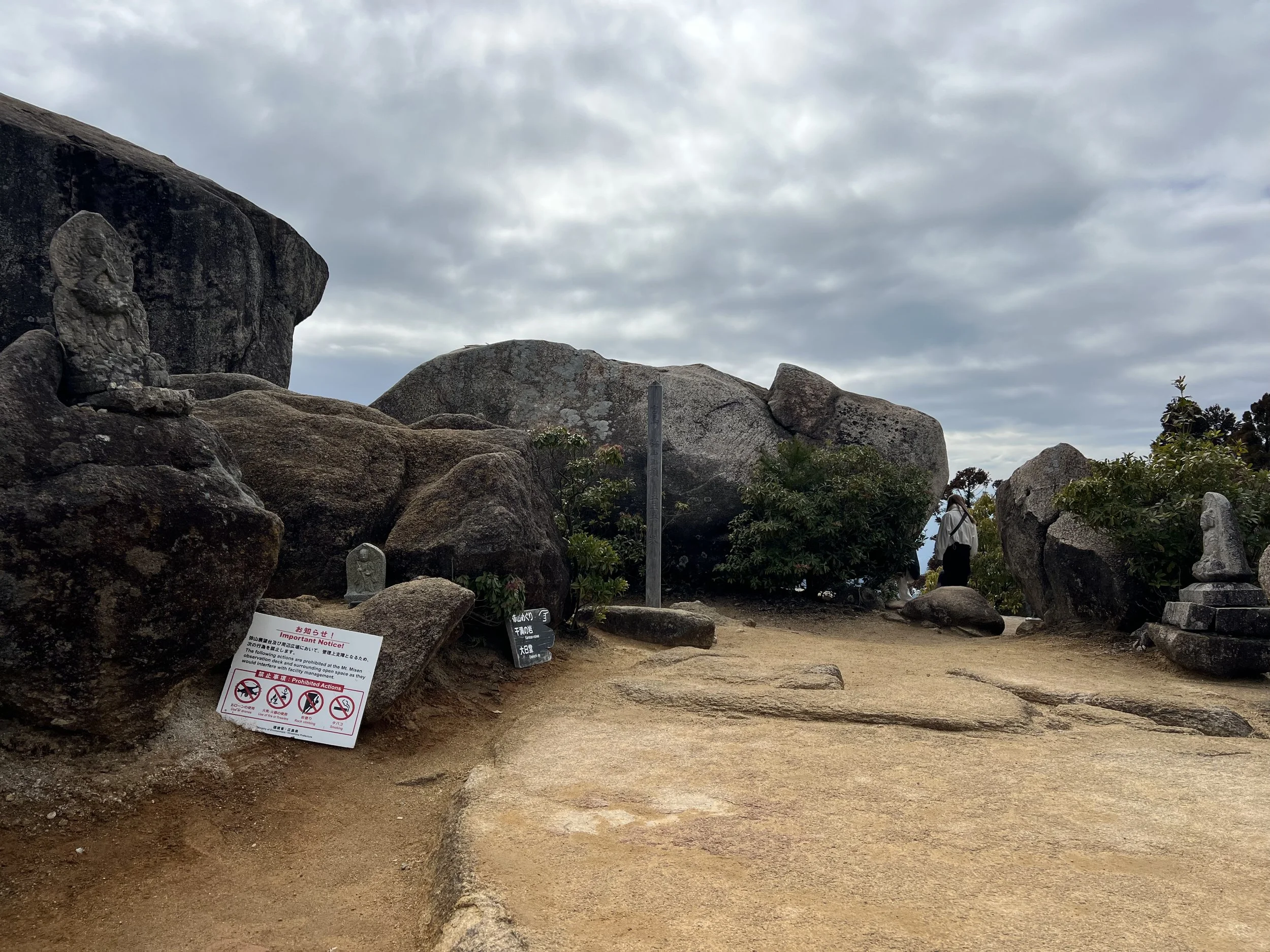
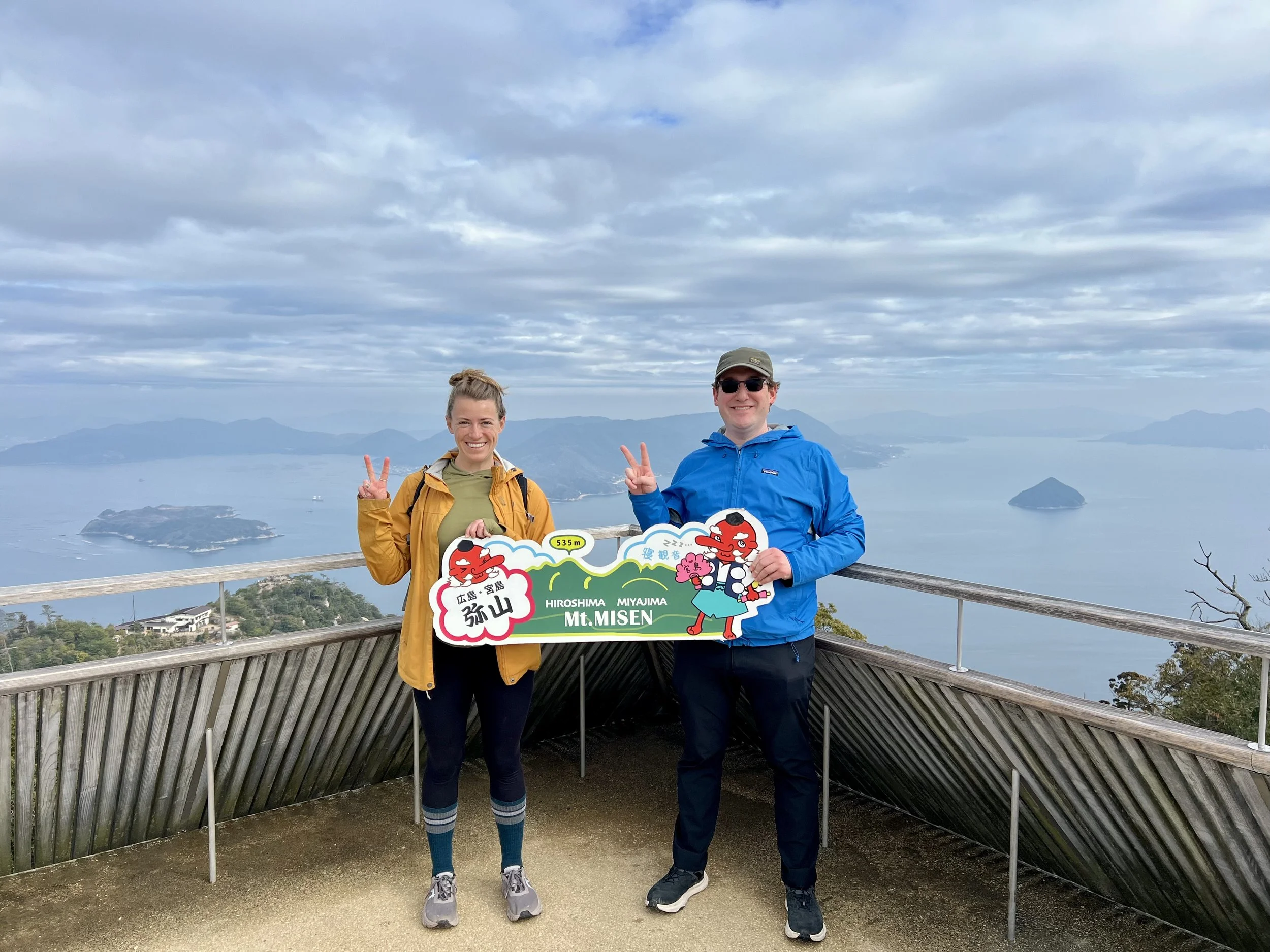
Summit of Mount Misen
Daishoin / Henjo Cave: You’ll see that there are a ton of shrines and temples in this area. If you’re going to visit one, definitely go to Daishoin where you will see thousands of little buddhas outside (with cute hats!) and another thousands buddhas in the Henjo Cave. This Buddhist temple is unique in Japan.
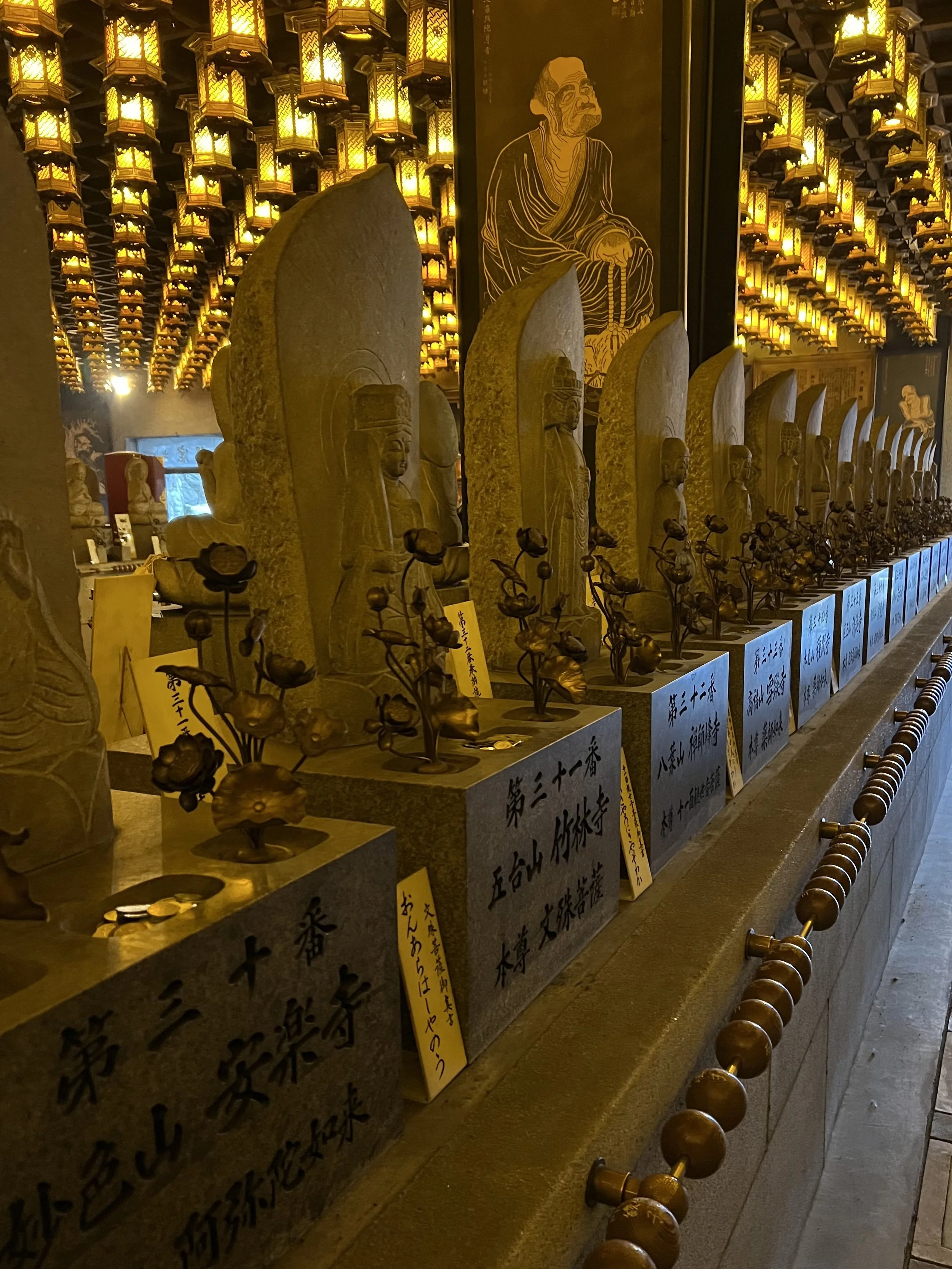
Henjo Cave
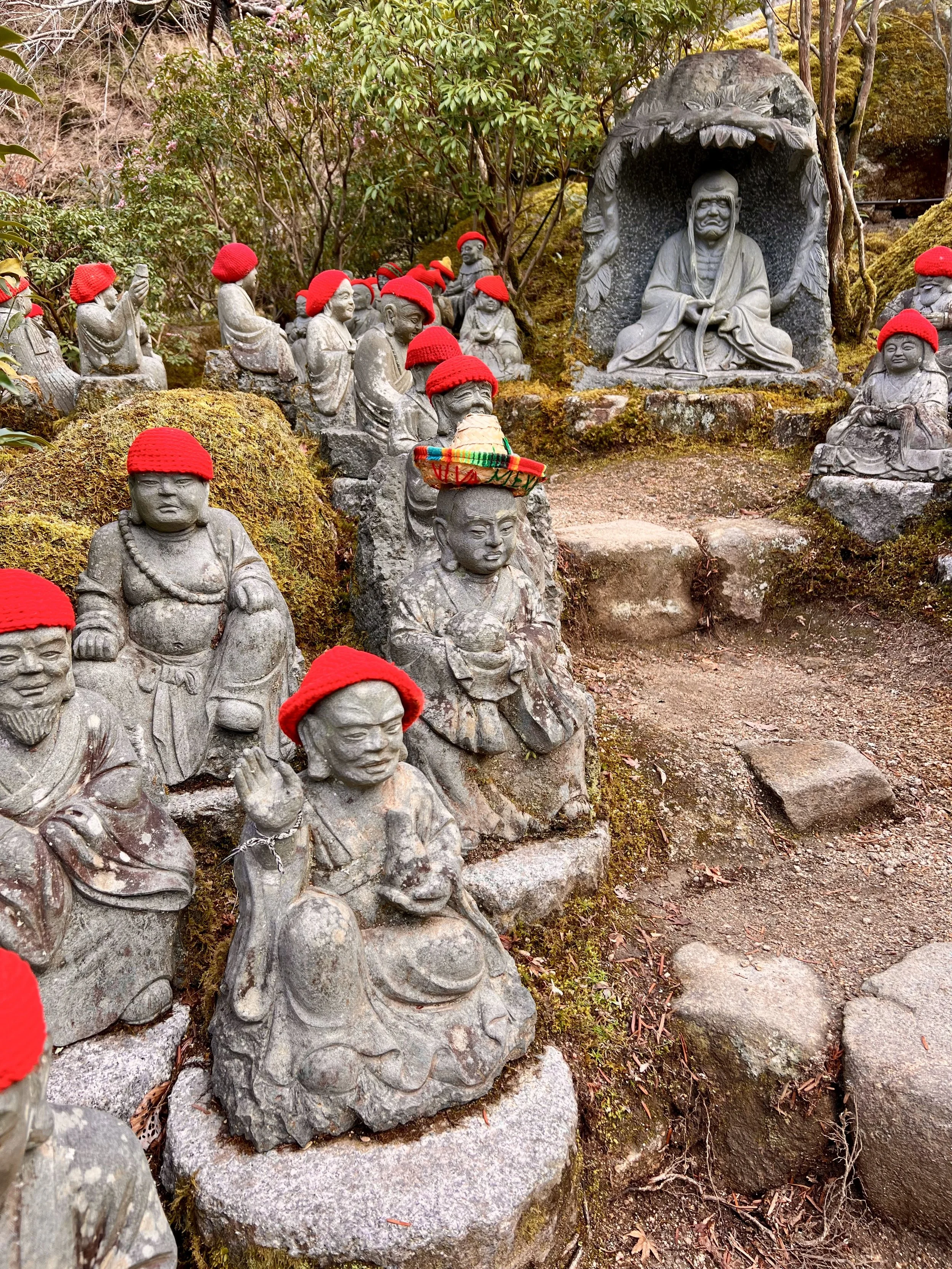
Buddhas outside at Daishoin
Miyajima Omotesandō Shopping Street: Filled with tourist shops, ice cream (get the matcha, my favorite!), restaurants, and even a brewery, you’ll have to walk along this street to get from the ferry to all of the sites I mentioned above. Make sure you stop by the Miyajima Exchange Center to see the 270 year old the World's Largest Wooden Rice Scoop (O-Shakushi), 7.7 meters long and weighing 2.5 tonnes. Everything closes exactly at 5pm, so buy your items before you watch the sunset at the shrine!