Guide to Visiting Kyushu: Untouched nature, culture, castles, volcanos, and onsens
Most people who visit Japan stay on the standard tourist route (Tokyo / Kyoto). If you’re looking for more of an authentic Japanese experience, meaning less English, more onsens, more nature, and a touch of Japanese imperial history in the Meiji restoration, Kyushi is the place to go!
Below, I talk about my 5-day experience in Kyushu, tips on how to navigate transportation and city planning, top sites to see, and other options to extend your trip for up to 2-weeks.
Note: If you don’t have international data, I highly recommend downloading an e-sim before your trip! While many of the huts have wifi, it’s good to have service in case of emergencies or to ensure your map loads. I use Airalo for my e-sims, which is affordable and is easy to download. Make sure your phone is e-sim compatible!
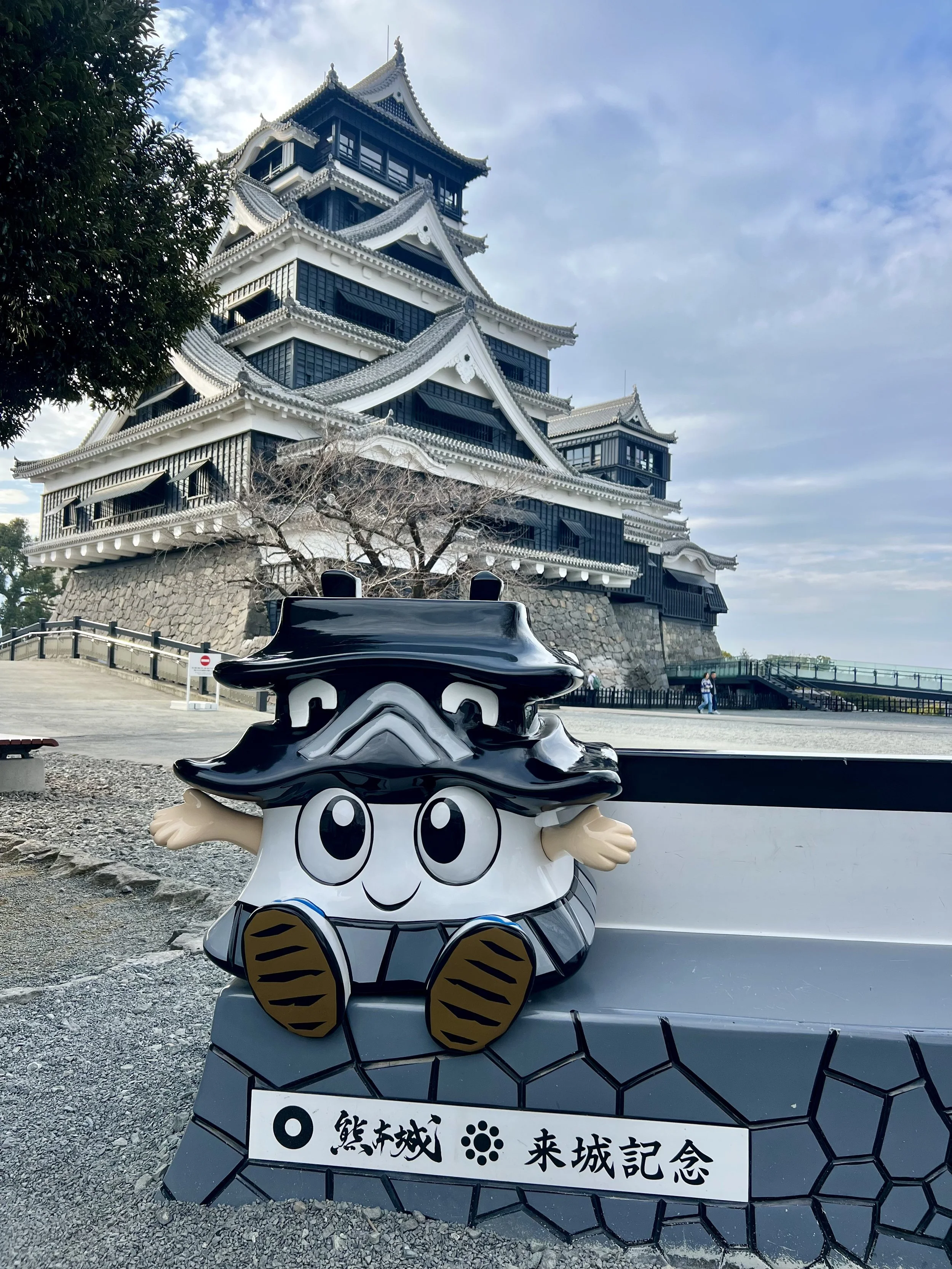
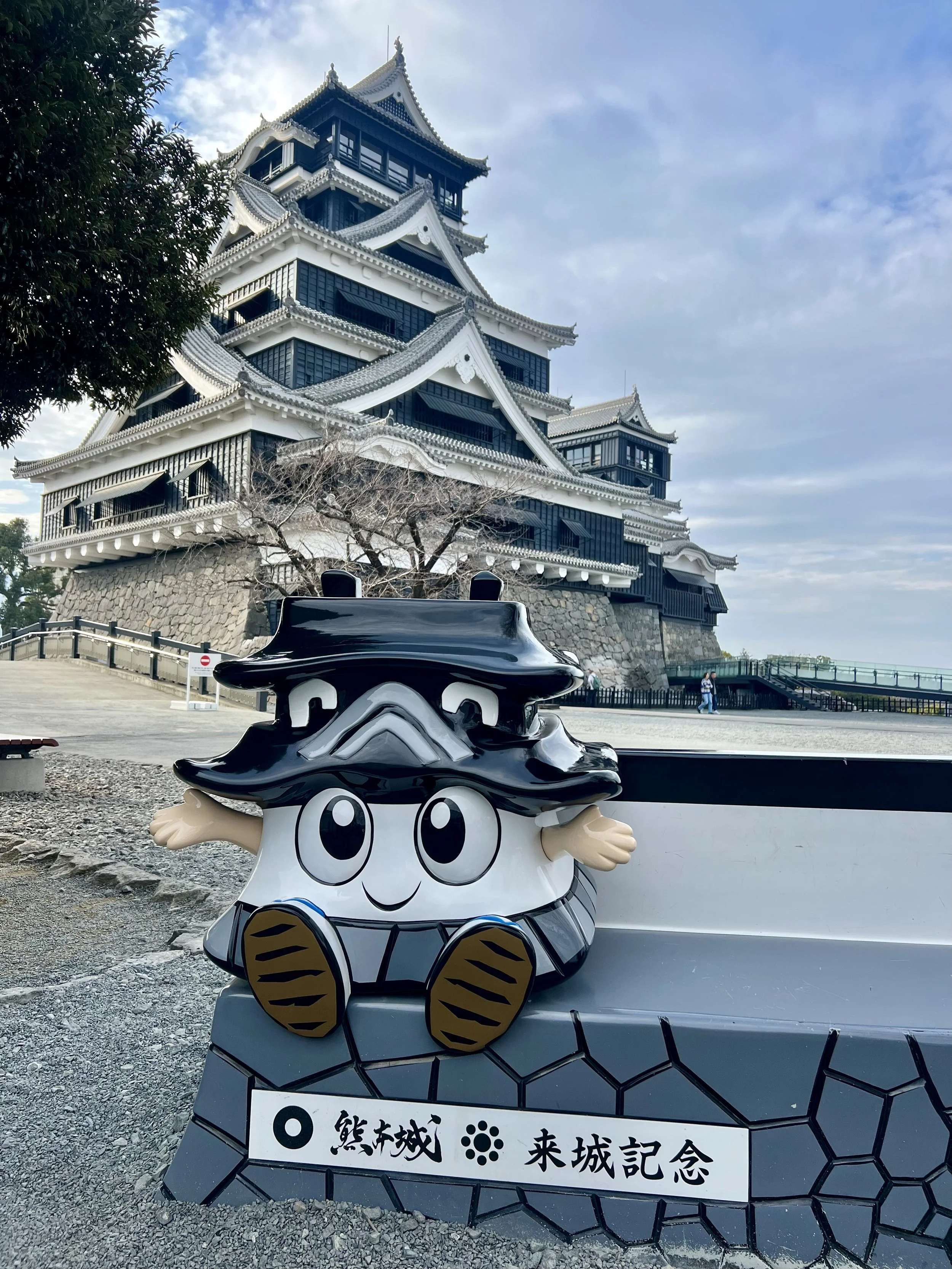
Kumamoto castle
How to get to Kyushu
Kyushu is the southern most island on mainland Japan. It is mainly accessible by train or plane.
The shinkansen (bullet train) system runs through Kyushu and is connected to major hubs in Japan, including Tokyo / Osaka / Hiroshima. I arrived to Kyushu via bullet train from Hiroshima, and it took ~3 hours to go to Kumamoto.
Additionally, there are smaller airports (out of Fukuoa / Kagoshima / Oita / Nagasaki / Miyazaki, among others) that have cheap flights connecting to international airports like Tokyo. When leaving Kyushu, I took a hopper flight from Kagoshima to Tokyo to make my international connection. I did this because it was cheaper and less time than the bullet train, as I would have had to go all the way around Japan in a long winding route to get to my final destination.
There are buses connecting major cities to airports.
Different ways to travel through Kyushu
Kyushu is a really big island. And, unlike the rest of Japan (namely Tokyo / Kyoto), the public transit is not as consistent and reliable here. You’ll find a lot of buses, but they may run every 2 hours or not be as updated as the amazing metro system in larger cities.

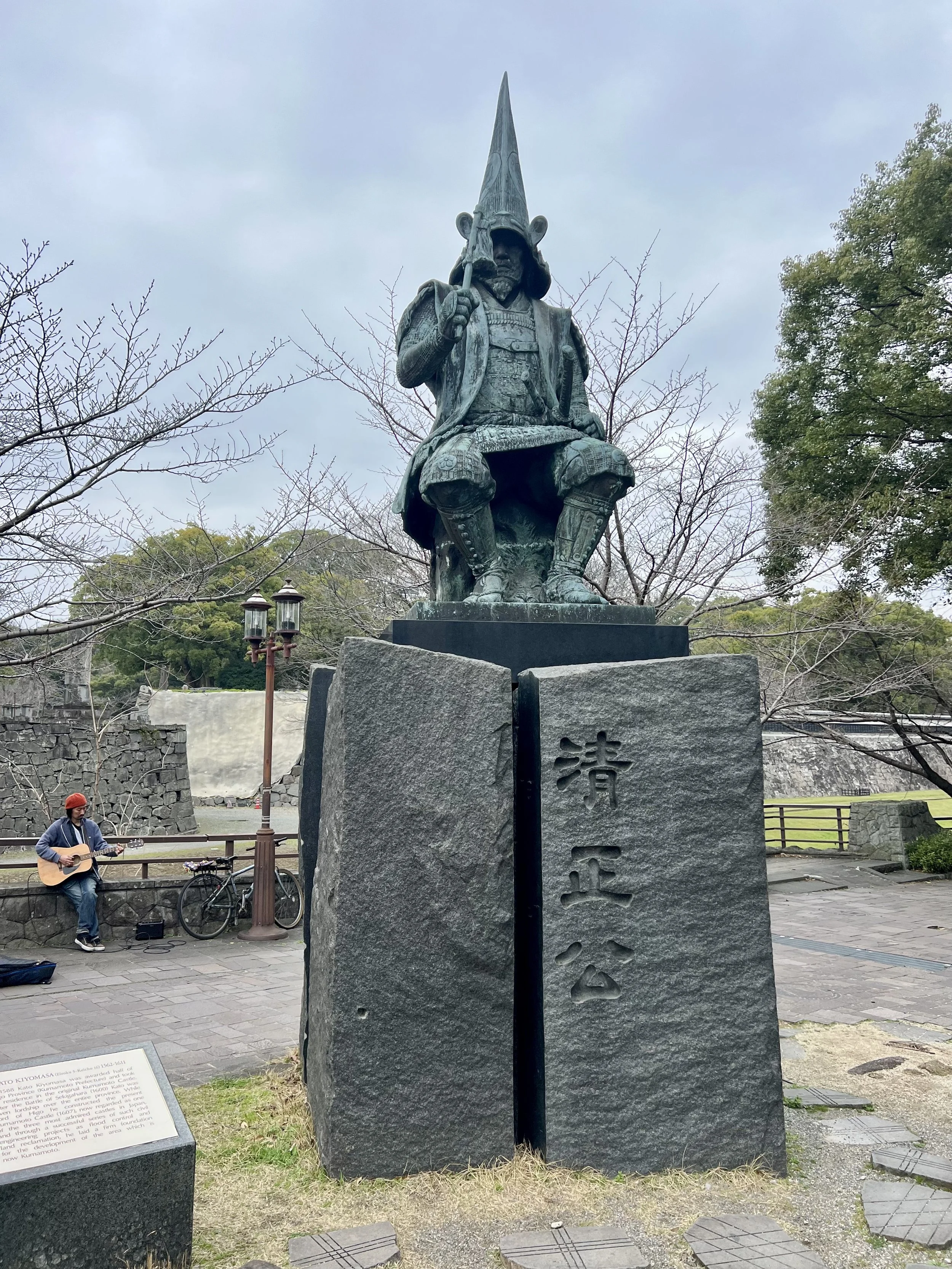
Meet Kumamon, Kumamoto's mascot! He’s a celebrity, and you’ll see him everywhere
That being said, you have a few options for how to travel. I opted to use public transit because I was traveling alone and wasn’t interested in renting a car. Below are the things I considered:
Use public transit. This is what I decided to do, and it overall went pretty well (except for my day trip to Mt Aso - see below). Kyushu has a great system. There is a JR train pass for Kyushu (3-day $139 / 5-day $152 / 7-day $165) that is a pretty good deal if you’re looking to explore the major cities. Also, there’s a SUN-Q bus pass for Kyushu for cheaper (2-4 day passes, prices range but about 1/2 the cost of the train pass). You need to reserve the buses in advance, and the bus can take 2-3 times longer than the train. I found that the buses took a lot of work to figure out how to find the right one and reserve, so it may take extra effort to get your full value out of this. Also, since I was just visiting 2 cities, it was cheaper for me to just pay directly for transit.
Rent a car. This is the easiest way to get around Kyushu, and if you are traveling with others, likely a more cost efficient way compared to taking the bullet train all over. Make sure you have an International Drivers License (required in Japan) and rental insurance, because Japan is very strict about car rentals! I get free car rental insurance through both my Capital One Venture X card & my Chase Sapphire Preferred Card, both of which I highly recommend for international travel. (Note that these are my referral links, and if you click on them and sign up for a card, we both can benefit with extra miles).
Sign up with a tour group. This is the less planning intensive (and most efficient use of your time) route. I wish I had done a tour for Mt. Aso, given my experience of train breaking down and bus timing. Below are 4 tours that I would recommend, based on my Kyushu experience.
Sakurajima Century Lava Climb Journey with E-bike
Kagoshima: Ibusuki City and Mount Kaimon Dake Tour
Mt. Aso & Takachiho Gorge Tour with Optional Boat Ride
Fukuoka: Nyoirinji Temple, Beppu Hells Tickets Incl & Yufuin
Do a solo cycling tour. I really wanted to do this, and did a ton of research on it that I want to share! Japan in general has awesome tourist guides (reference my post about biking across the Shimanami Kaido in Japan). The Welcome Kyushu website has 14 main cycle maps that you can self plan and ride, with indicators on where to stay, onsens, food, and services. If I went back to Kyushu, I would 100% go this route!
If I were to pick one, I would do the Trans-Kyushu North Route which starts from Beppu/Nobeoka and cuts across Kyushu to end in Kumamoto. The most challenging part is managing your luggage (you can ship your luggage from one hotel to another for a cheap fee, typically ~$20) and finding a one-way bike rental (I never got this far to plan!). There are also facebook pages for people who bike across Kyushu providing tips and possibly bikes to purchase. Let me know if you ever do this and have any tips!
The top cities to hit in Kyushu include: Kitakyushu, Fukuoka, Nagasaki, Kumamoto, and Kagoshima. Depending on where you go, you’ll find less traveled to shrines, hot springs and volcanos, hiking trails, museums (and preserved castles), and port / fishing towns. There are a lot of options here depending on what you’re looking for.
How long to spend in Kyushu
This really depends on what you’re interested in! I could have spent 2-weeks in Kyushu exploring off-the-beaten path areas. You can also accomplish seeing the top sights in 3-5 days (which is what I did). If you have extra time, consider visiting these ares (in addition to what I tackled in my itinerary!):
Yakushima Island: Located a boat or plane ride south of Kagoshima, this is where Princess Mononoke was based (although it is an animated movie!) If you like nature, camping, hiking, or lush forests, this is the place for you. Yakushima receives the most rainfall of any place in Japan. I was considering going, but the weather was absolutely terrible for the dates I was there (mid-March). I would love to go back and do some backpacking in this area!
Beppu Hot Springs: One of the most famous things to do in Kyushu is onsen hop. Kyushu is famous for its natural volcanos and therefore its natural variety of onsens. Beppu (located near Oita) is a super popular place to do this!
Nagasaki Atomic Bomb Museum: If you didn’t stop in Hiroshima to see the Peace Memorial Museum, it’s worth going to Nagasaki to see their museum. This is one of the most popular reasons to visit Nagaski, and an important part of history.
Takachiho Gorge: Located south of Mount Aso, this is a sheer gorge with boat trips. It’s a pretty touristy spot to go, and if you don’t have a car, it’s only accessible by tour group (Mt. Aso & Takachiho Gorge Tour with Optional Boat Ride). I decided not to do this because I was using public transit, but I have heard wonderful things from other people I met on my travels.
You can get more ideas from the Visit Kyushu website (again, Japan tourism guides are literally the best!)
My Itinerary
I was only in Kyushu for 5 days, I opted to use public transit and pick 2 major cities to explore thoroughly. Additionally, I found a cheap flight from Kagoshima back to Tokyo that allowed me to catch my international flight home, so it made sense for me to move south towards Kagoshima.
2-nights in Kumamoto
I jumped on the bullet train from Hiroshima to Kumamoto, which took ~3 hours. I used Hostelworld to book accommodation, because Japan can be really expensive (and I was traveling alone!).
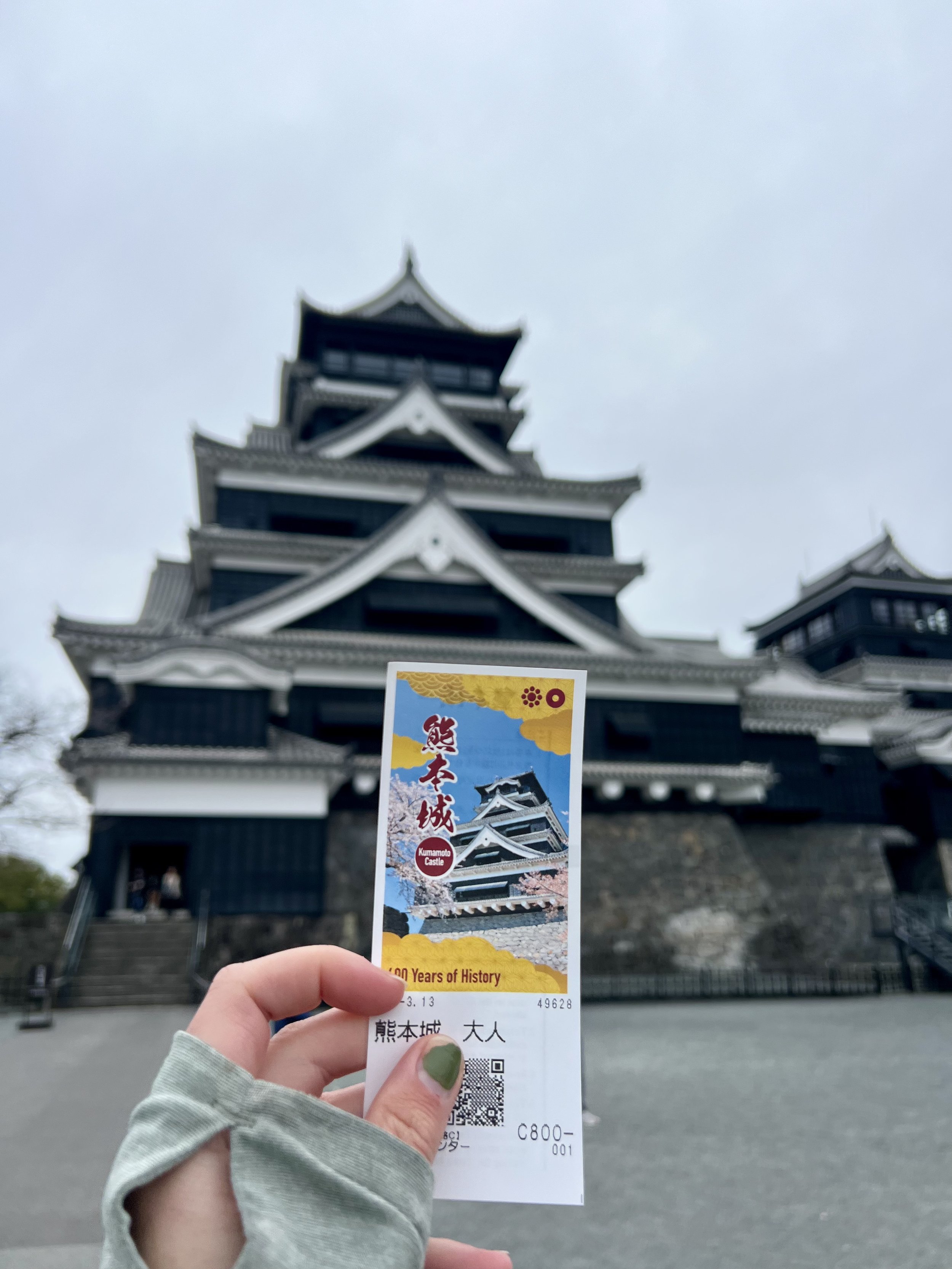
Kumamoto Castle: Of all the castles I saw in Japan (namely including Matsumoto), Kumamoto Castle was by far my favorite. It’s a 6-story structure with an intensive free audioguide and really cool depictions of the history of the Meiji restoration & transition of power from the 1600s and before. I really enjoyed visiting this castle, and the trip to Kumamoto was worth it just for this!
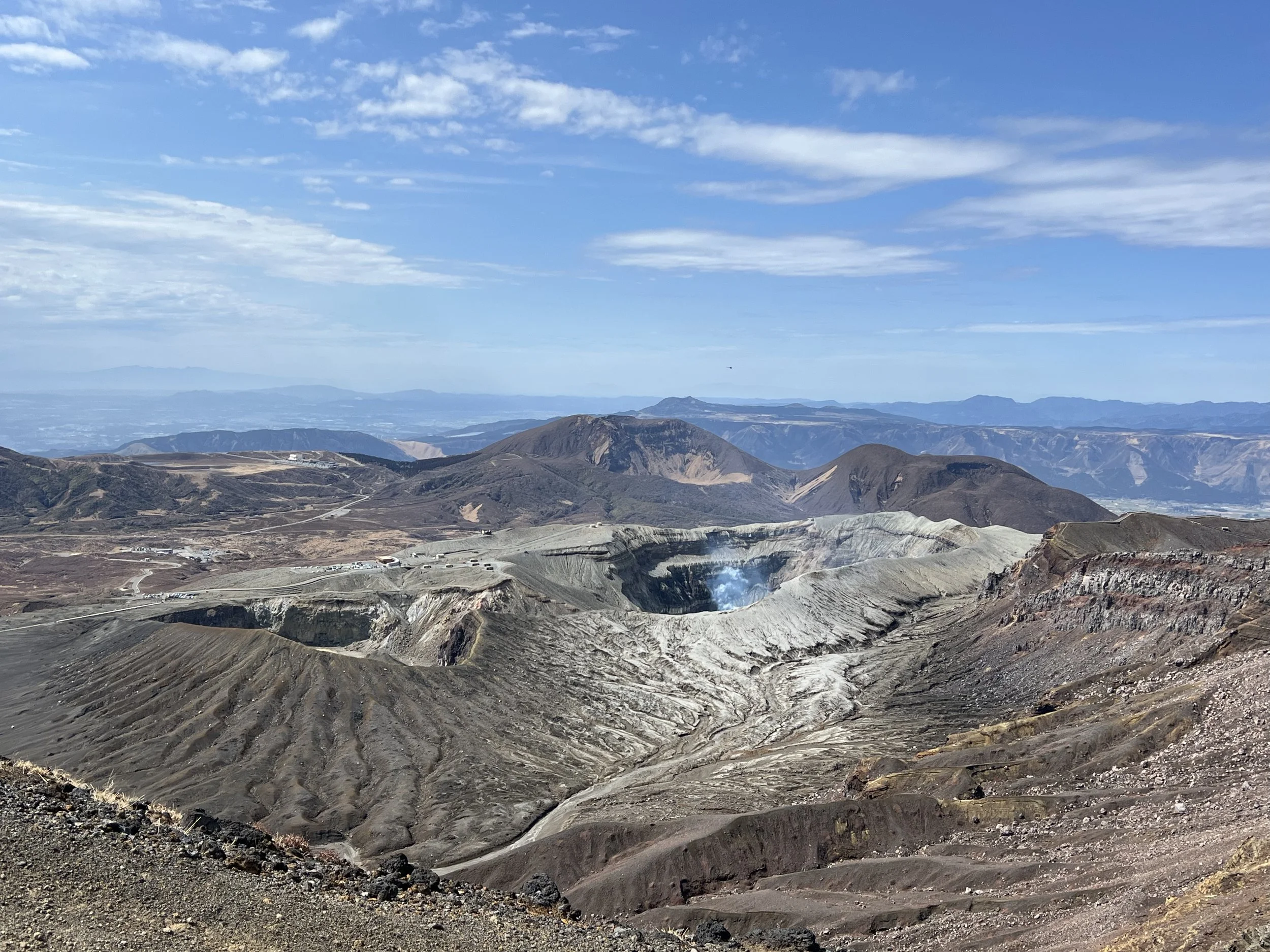
Mount Aso: Kyushu is a famous volcanic region, and Mount Aso is one of the most popular active volcanos to visit. It is located a day trip from Kumamoto, and can be visited via car, train / bus, or tour group. I decided to risk the public transit, and had quite the adventure to and from Mt Aso!
On the way there, I took the JR Hohi train (~1 hour) to the Higo-Ozu station, and then hopped on the Mount Aso bus up to the top. There are a few issues with this route… (1) the bus and the train aren’t entirely aligned, and if you miss a bus you have to wait 45mins - 1 hour. (2) the bus can get really crowded, and (3) If you’re like me and your train breaks down, then your schedule gets all messed up! That being said, I did make it up to the top.
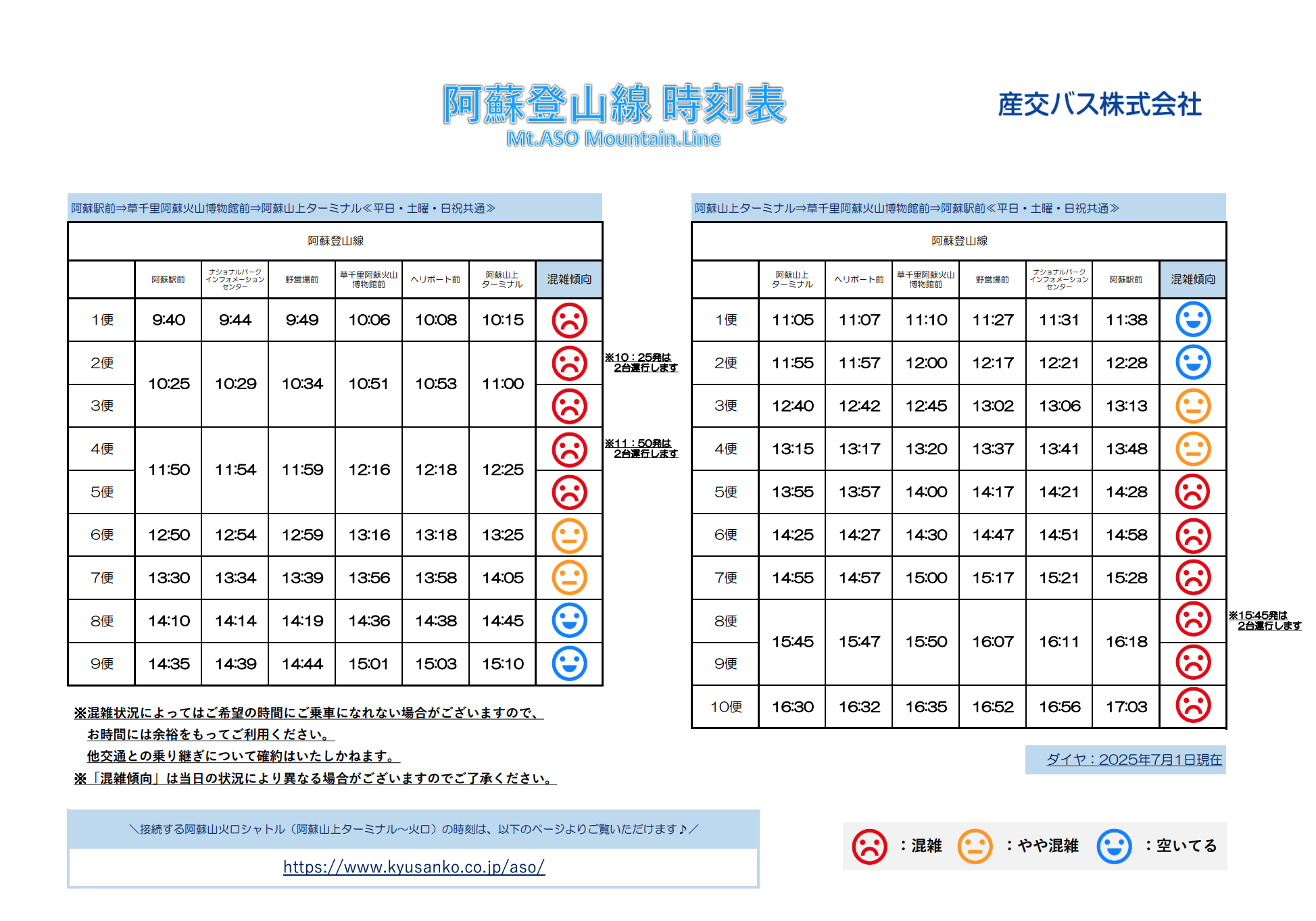
Mt Aso Bus Line schedule… it’s pretty confusing. No English options (the good and bad of Kyushu!), and a pretty short timeline to see the volcano!
On the way back I hopped on a direct bus to Sakuramachi Bus Terminal in Kumamoto, which was WAY easier and the same price. You need to book this in advance either at the bus stop or online. I got lucky because they had space, but in peak season, this would not have gone as smoothly!
If you’re anything like me, I would recommend to just rent a car and bypass all that drama. It was kind of a nightmare.
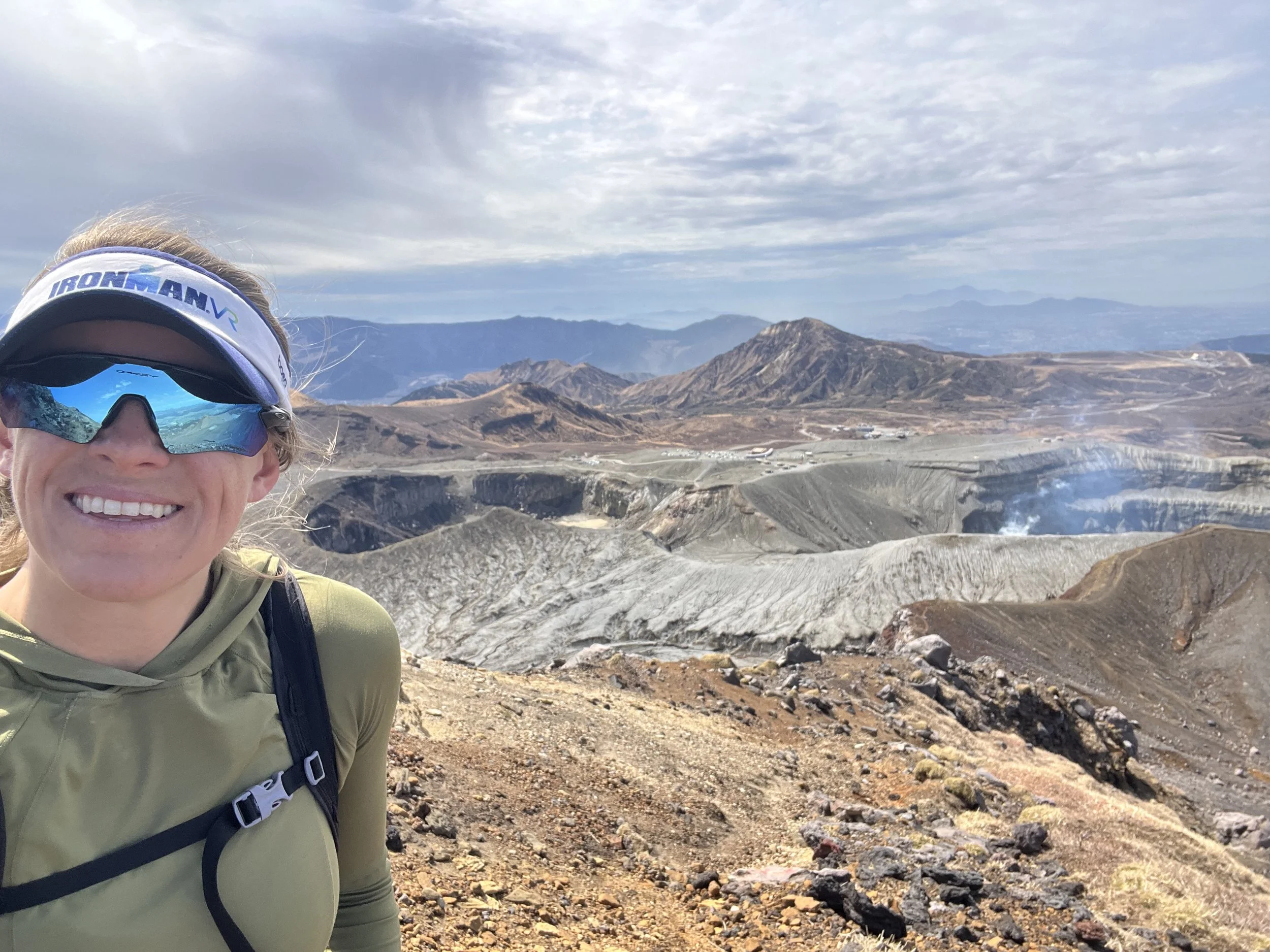
I ended up doing a hike up to Mount Nakadake - Mount Takadake Loop, which was really awesome and gave the best views of the crater. The crater was emitting noxious gases so you couldn’t get too close, and this was the best option!
I’m glad I did the day trip, but as I mentioned, it was quite a journey.
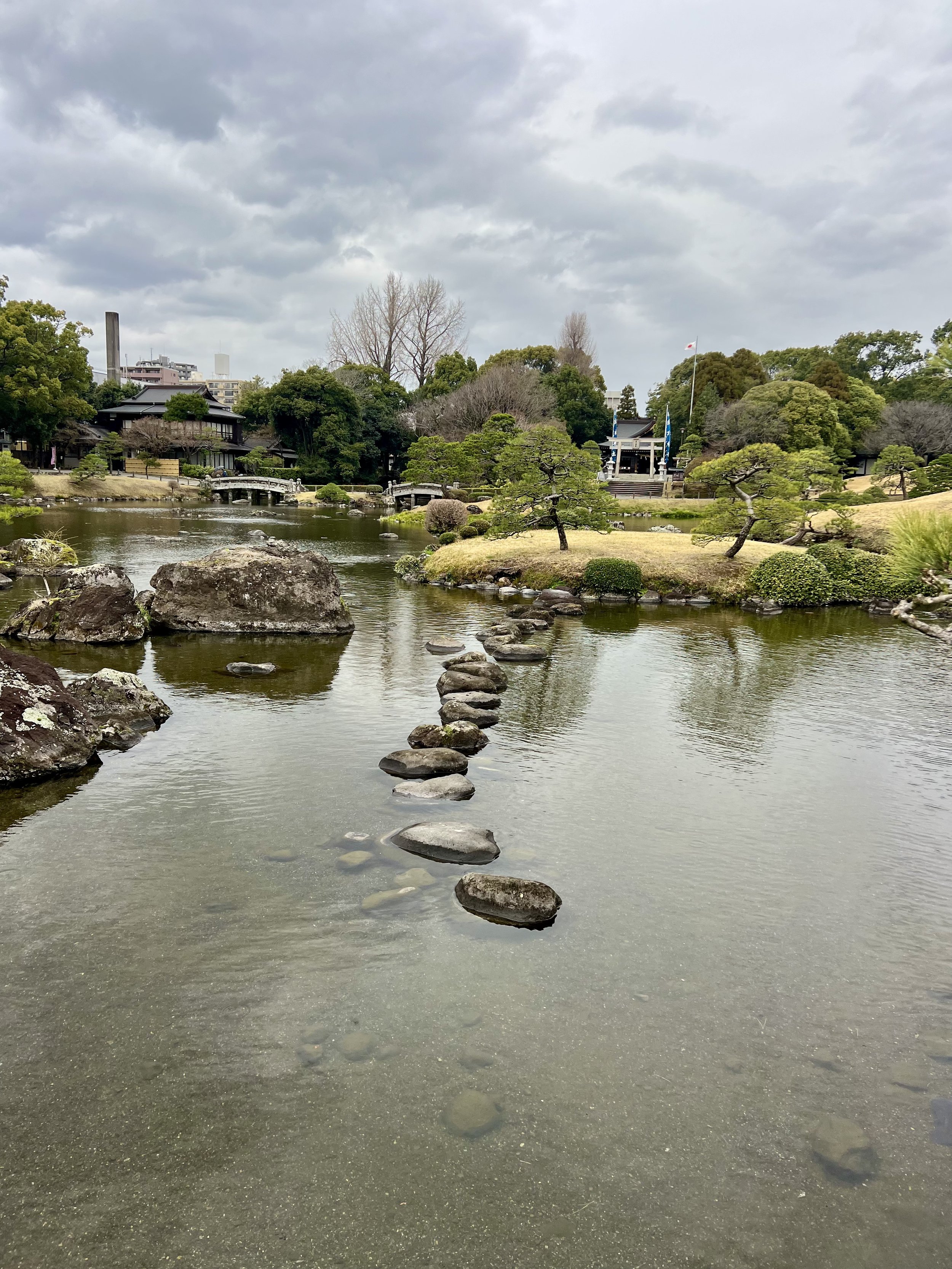
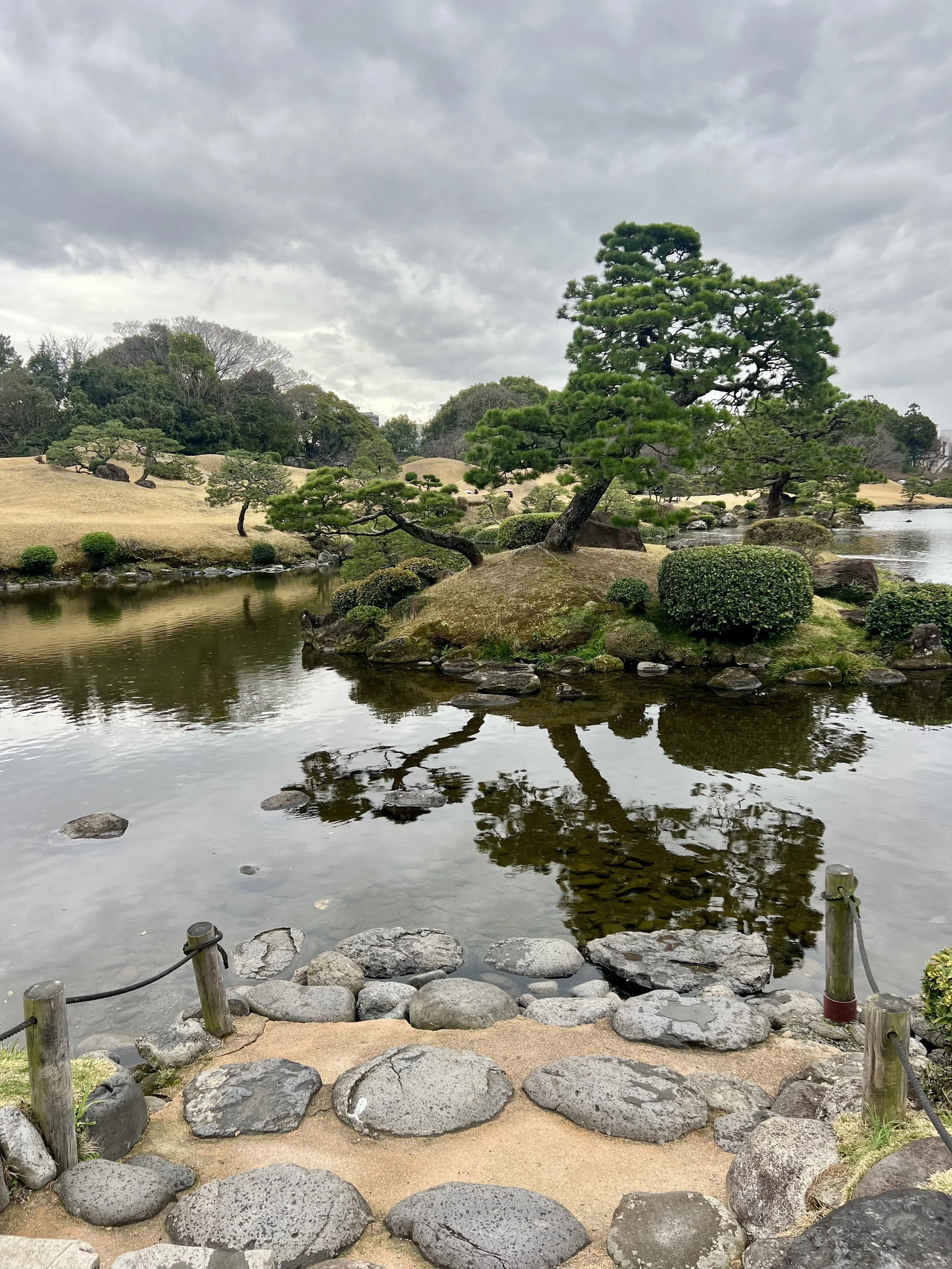
Suizenji Jojuen Garden: A quick trip on the public transit, this garden is small and pretty! I stopped in right when it opened in the rain, and no one was there. It took 30 minutes to explore the whole place, and it was such a peaceful morning.
3-nights in Kagoshima
I ended up taking a bus from Kumamoto to Kagoshima. While the bullet train does connect the two cities, it costs about $60 or more for a ticket, while the bus was ~$25. The bus took about 3 hours, but it dropped me off at a more central location in the city so I didn’t mind. For accommodation, again I booked through Hostelworld to save costs and meet some friends. I recommend Green Guest House ($20/dorm/night).
Visit Sakurajima: Sakurajima, Japan’s most active volcano, is a stunning spectacle across the water from Kagoshima. Hop on a short ferry ride from the ferry port over to Sakurajima and explore the area. One of my favorite things was to use the free foot bath / onsen in the park by the ferry, which is heated by the volcano.
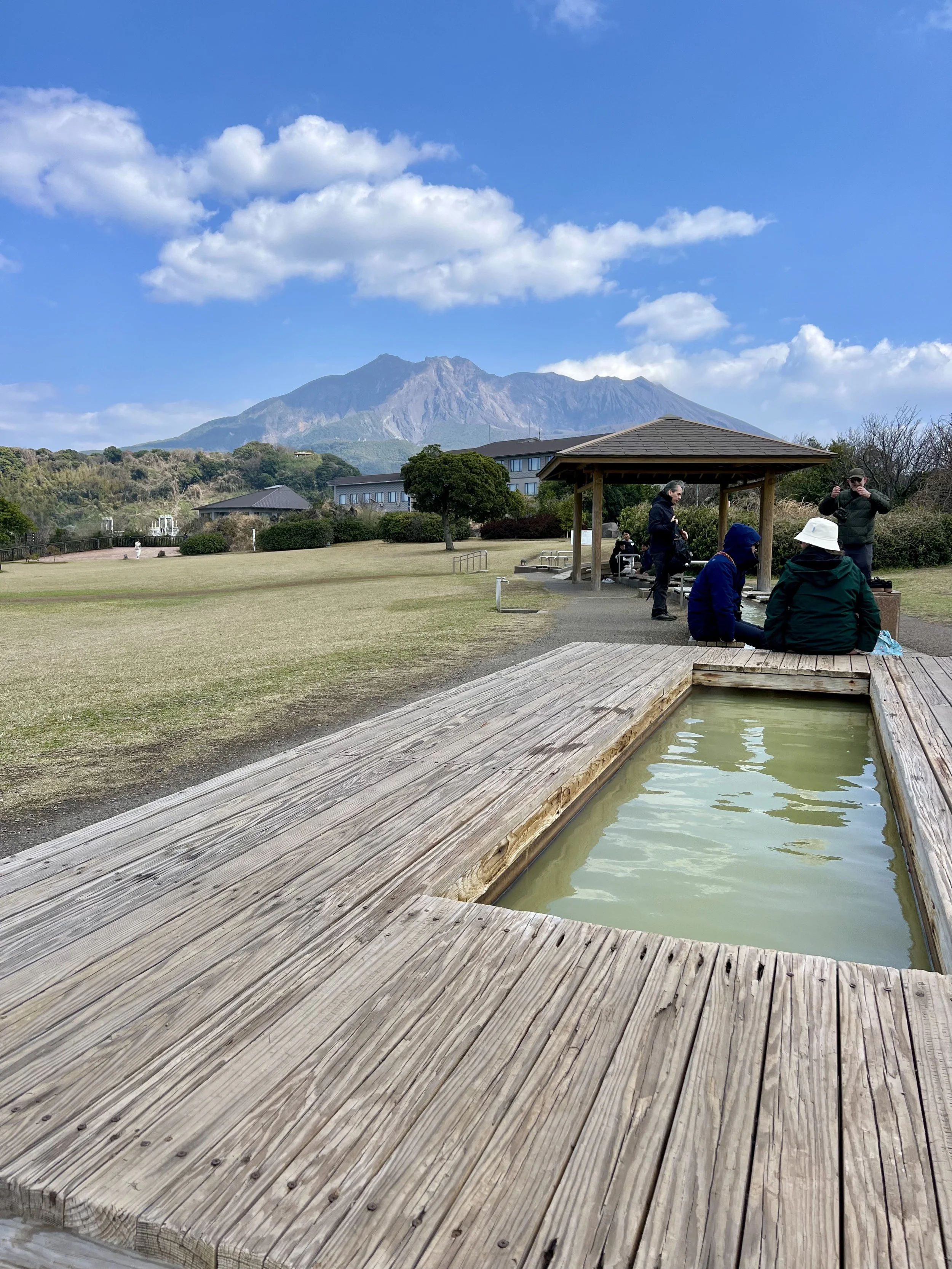
You can rent a bike for the day in Kagoshima and bring it across on the ferry to do a bike ride around the whole island. Alternatively, you can just walk around to some of the viewpoints. There is a public bus, but it doesn’t operate as often as one would hope I ended up just walking around to the visitors center and along the Yōgan Nagisa Esplanade, up to Saigo rock, and back along the road for a 3 mile loop.
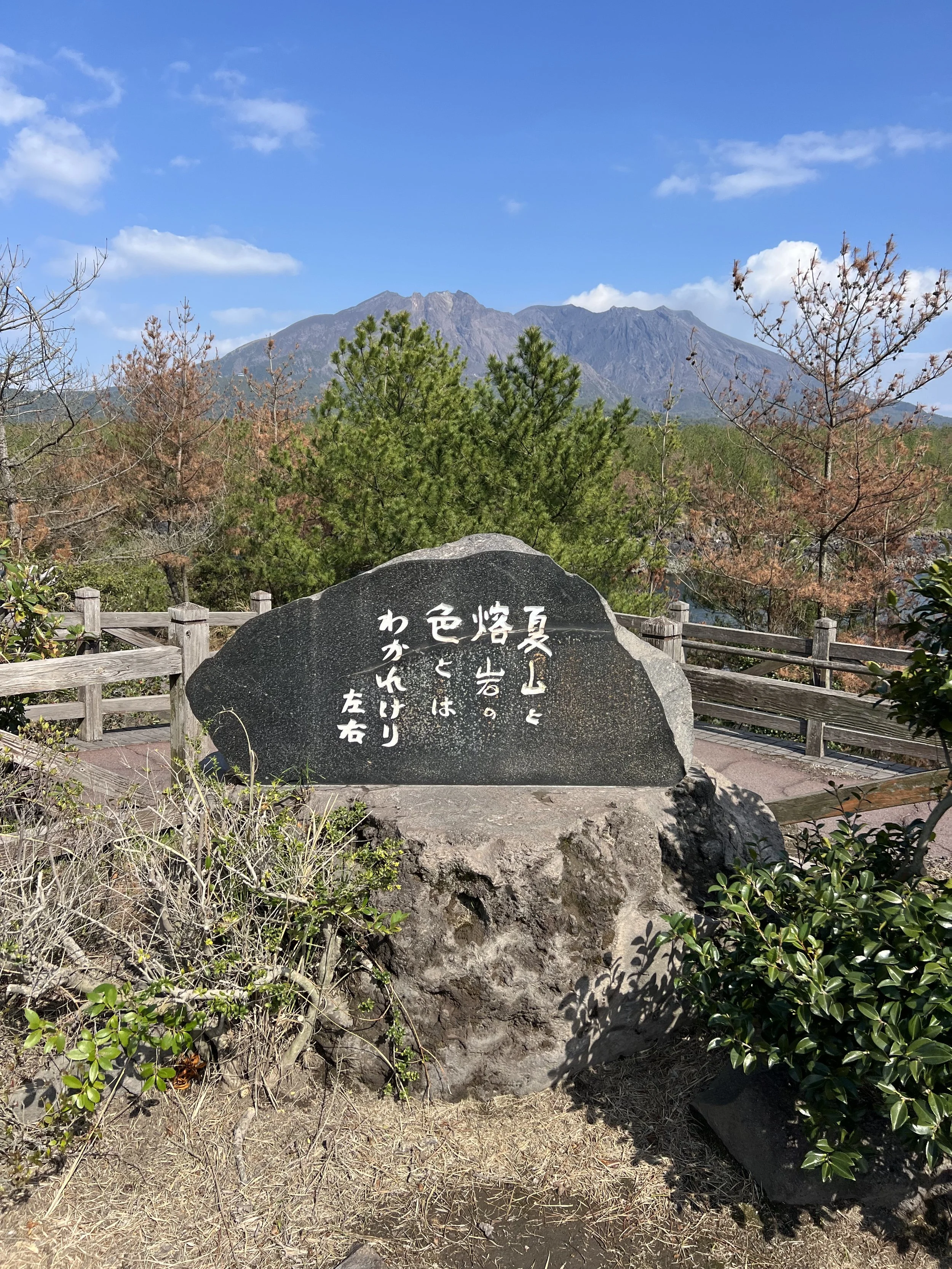
You can also relax in an onsen on the island if you’re looking for a longer day activity. I spent about a half day here.
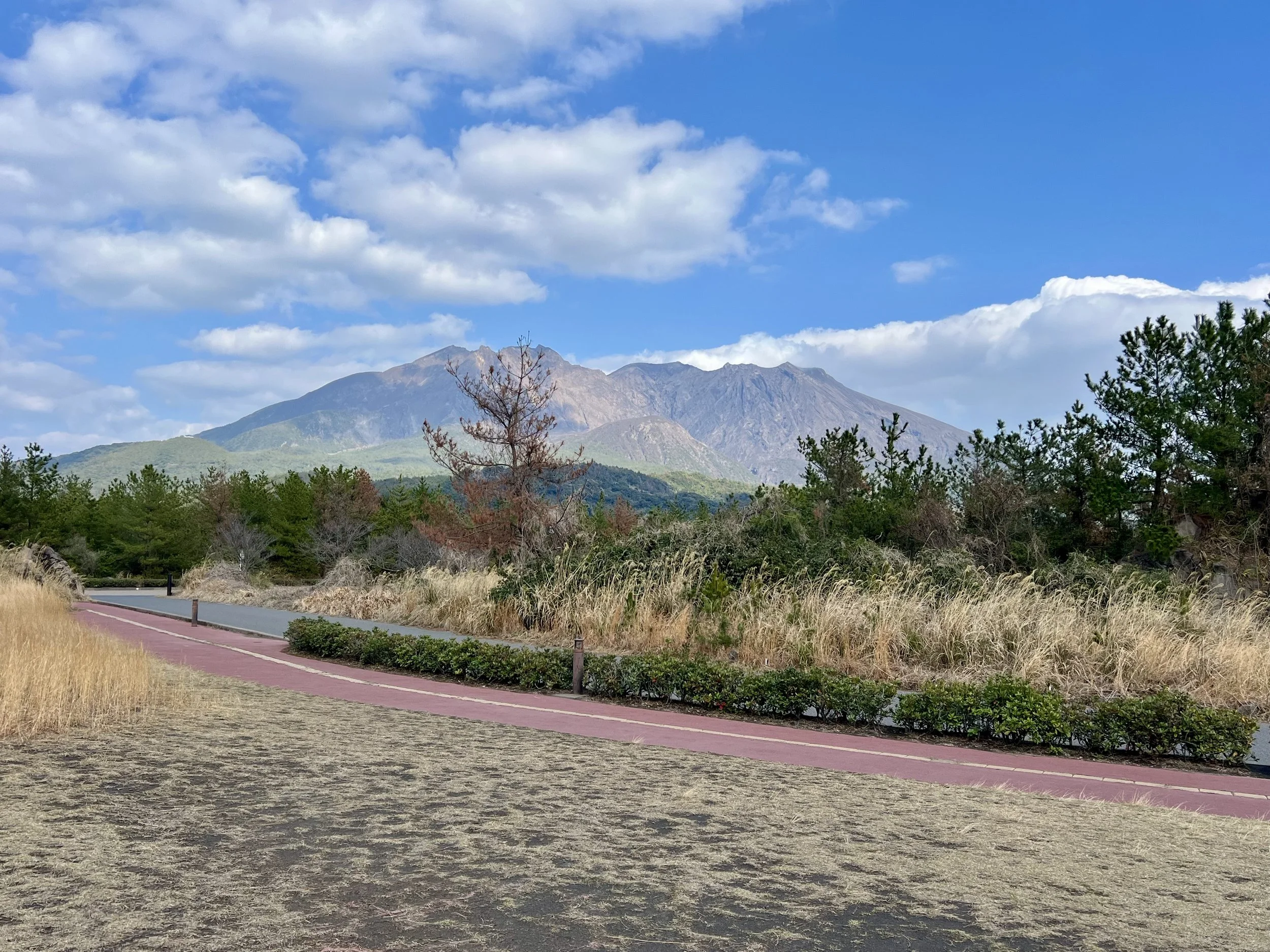
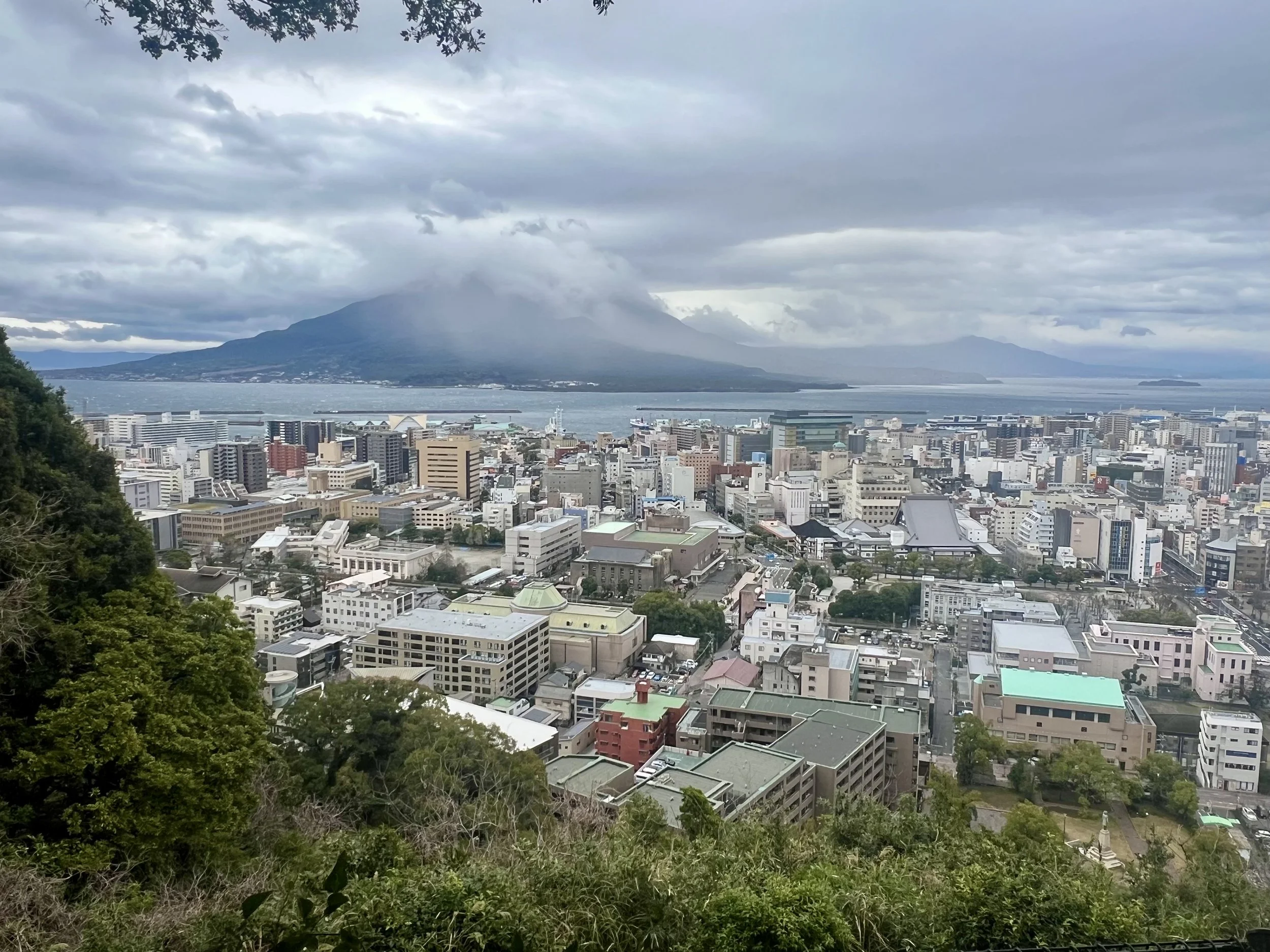
Kagoshima Prefectural Yoshino Park: I went on a long run to adventure through the city. This park was a bit off the beaten path, but it went up a series of rolling hills to reach one of the highest points in town and the views were absolutely stunning. The park itself had really gorgeous trees and there was a massive observation deck overlooking Sakurajima.
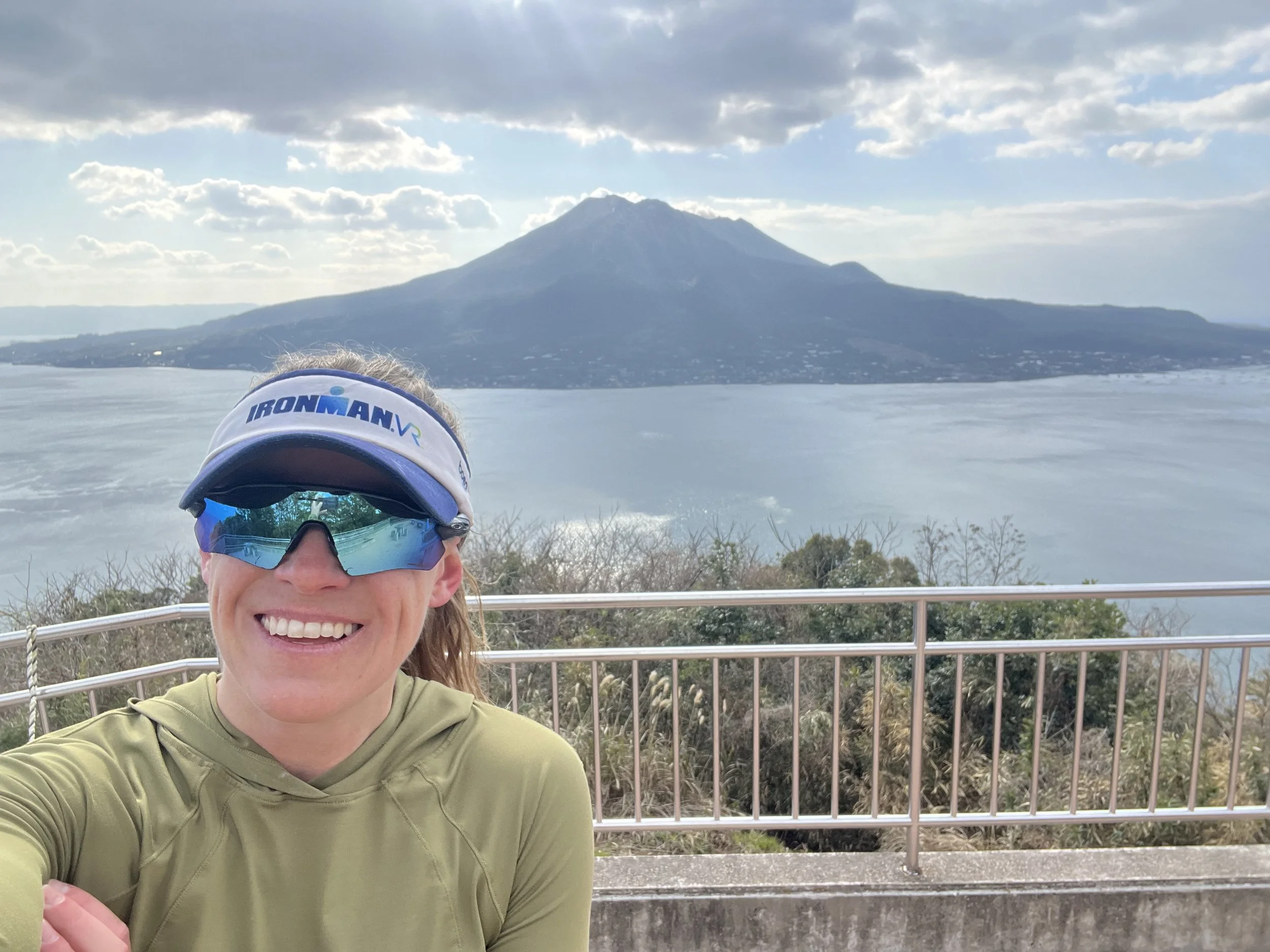
Kagoshima Shiroyama Nature Walking Trail & Observation Deck: One of my favorite views and a pretty easy activity is heading up to this observation deck and seeing the volcano! There’s a really nice forest walk going down that zig zags through the park.
Saigo Takamori Statue: There’s lots of history of the Meiji restoration here. You’ll see statues dedicated to leaders, including the famous Saigo Takamori.
Day trip to Ibusuki
One of the days I was in Kagoshima, I decided to adventure to Ibusuki, a coastal town that is famous for its sand onsen experience. I hopped on a JR train down to the town and ended up walking around (nearly 10 miles!) because I wanted to stop at Chiringashima Island. There are no buses here, so similar to other areas in Kyushu, this is best traveled by rental car. But it very doable via train, and if you rent a bike its much easier to get around!
Saraku Sand Bath Hall: This is what Ibusuki is famous for! Upon entering the bath hall, you are given a kimono robe and you change into it. Then, you exit outside to the beach where the sand is heated by the local volcanos. A team of people will bury you in the sand up to your neck (it’s quite warm, but shouldn’t burn you) and you relax in the sand for 20-minutes. You cannot stay longer because it could be dangerous. While you’re in the sand, it doesn’t feel too hot, but when I exited, I was soaked in sweat!
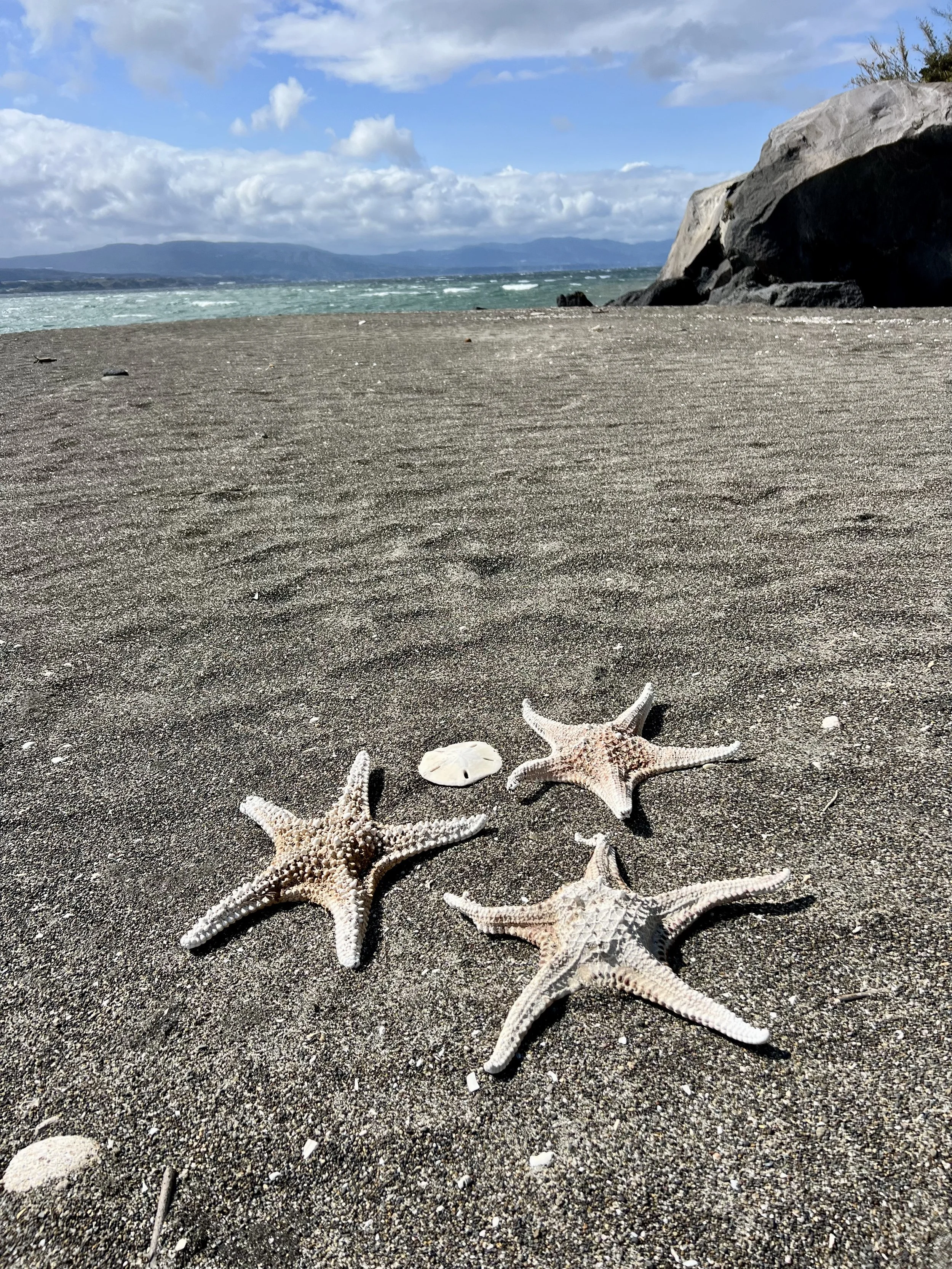
Unfortunately no pictures allowed in the hot springs, but the black sand beaches were gorgeous!
After, you can stay in the onsen as long as you wish before departing. This was such a unique experience and I’m so glad I went!
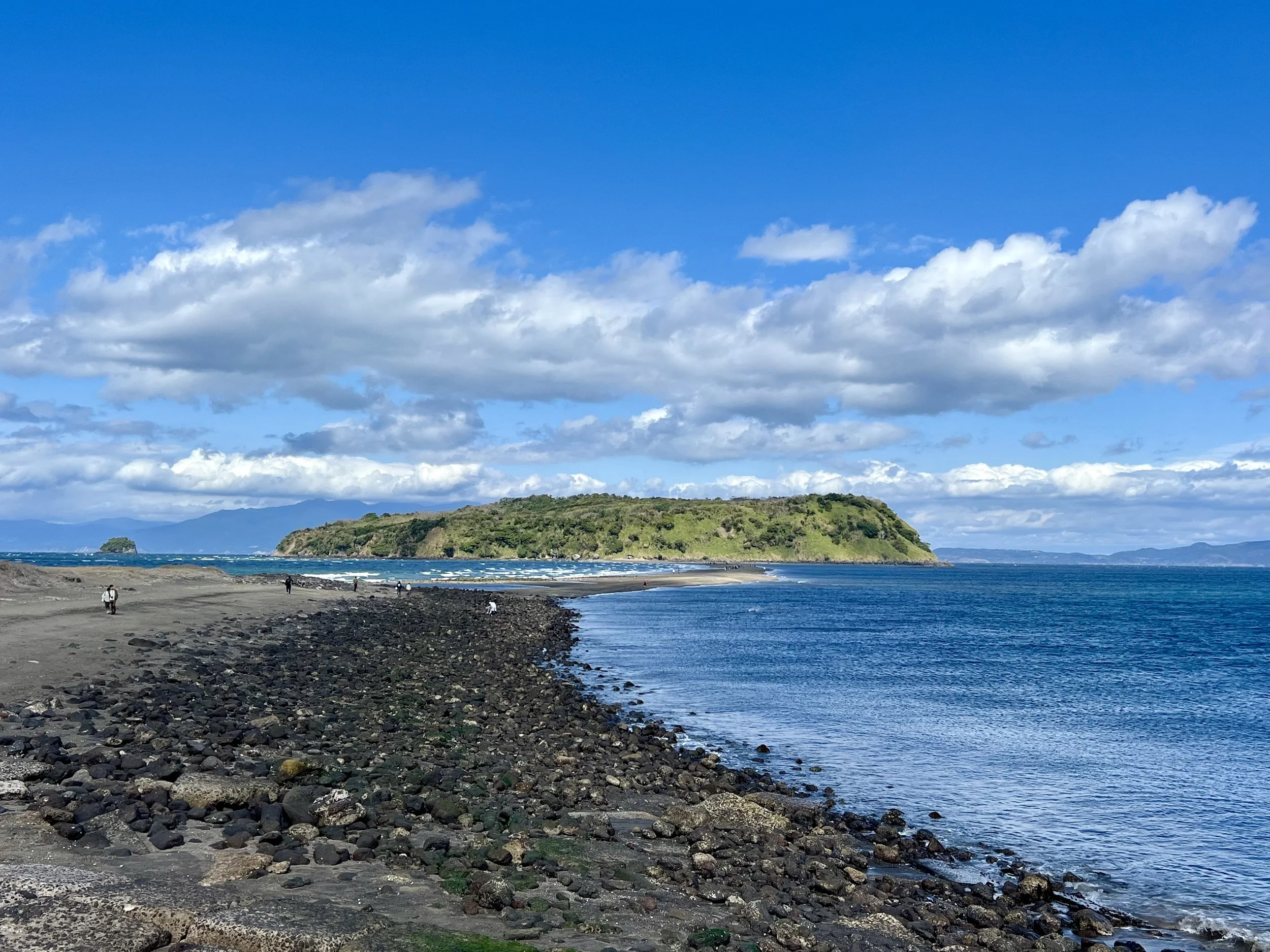
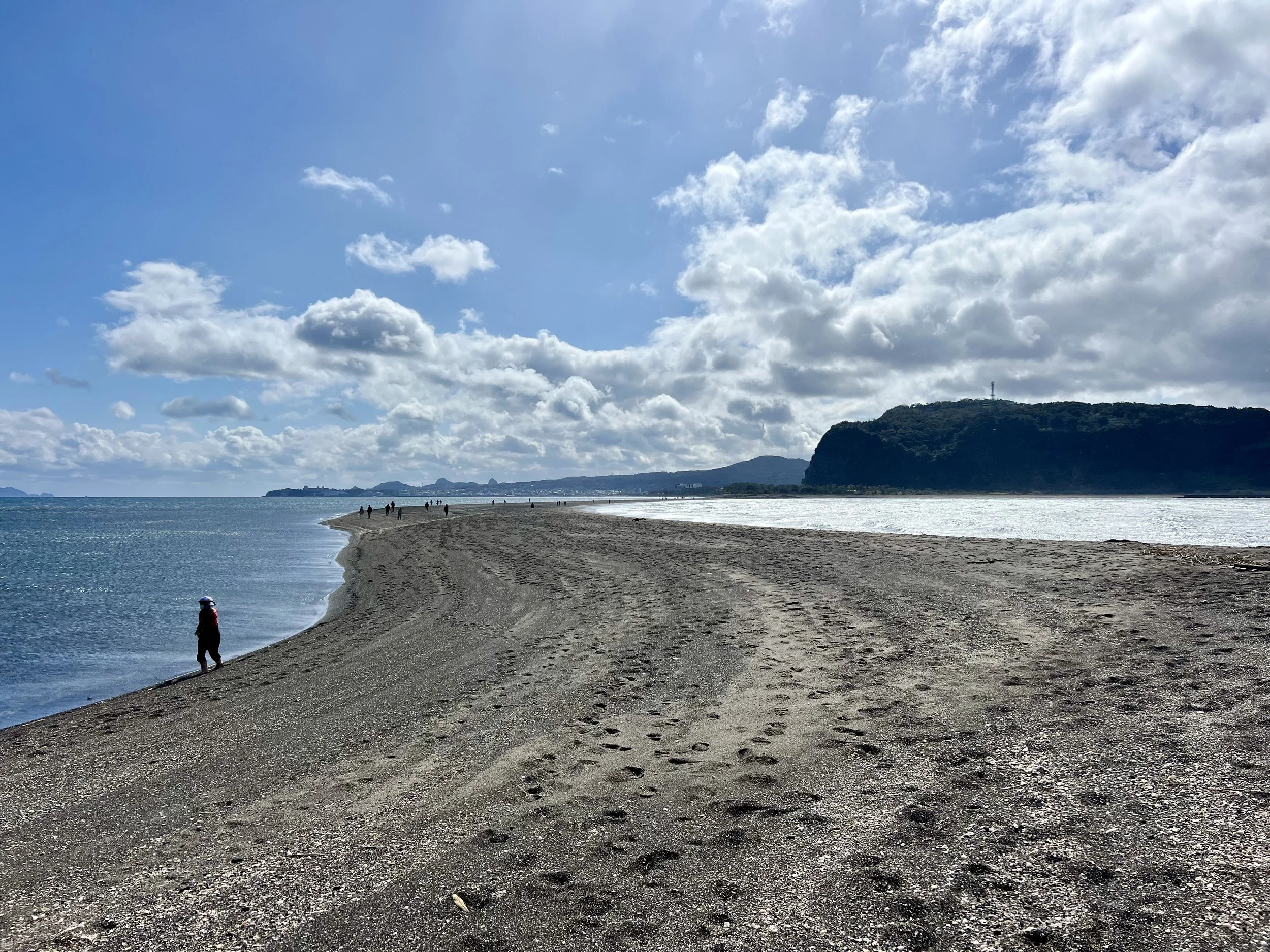
Chiringashima Island: Another cool thing to do in this area is visit Ciringashima Island. During low tide, there is a spit of land that pops up and you can walk across the land to visit the island. During high tide, it is not possible to cross. It’s a cool natural wonder, and there were a lot of people going here! Again, there is no public transport in this area, so it is much easier to access via rental car or bike.
I cut back directly to the northern train station, which was about an hour walk. The train only runs every 1-2 hours, so timing is tough!